Humanizing the Target
It's remarkably easy to hate someone you've never shared a meal with. Your brain can maintain an entire enemy profile — motives, moral failings, probable crimes — without a single data point from actual contact.
Part 1: Humanizing the Target — Concept
+5 XP on completion
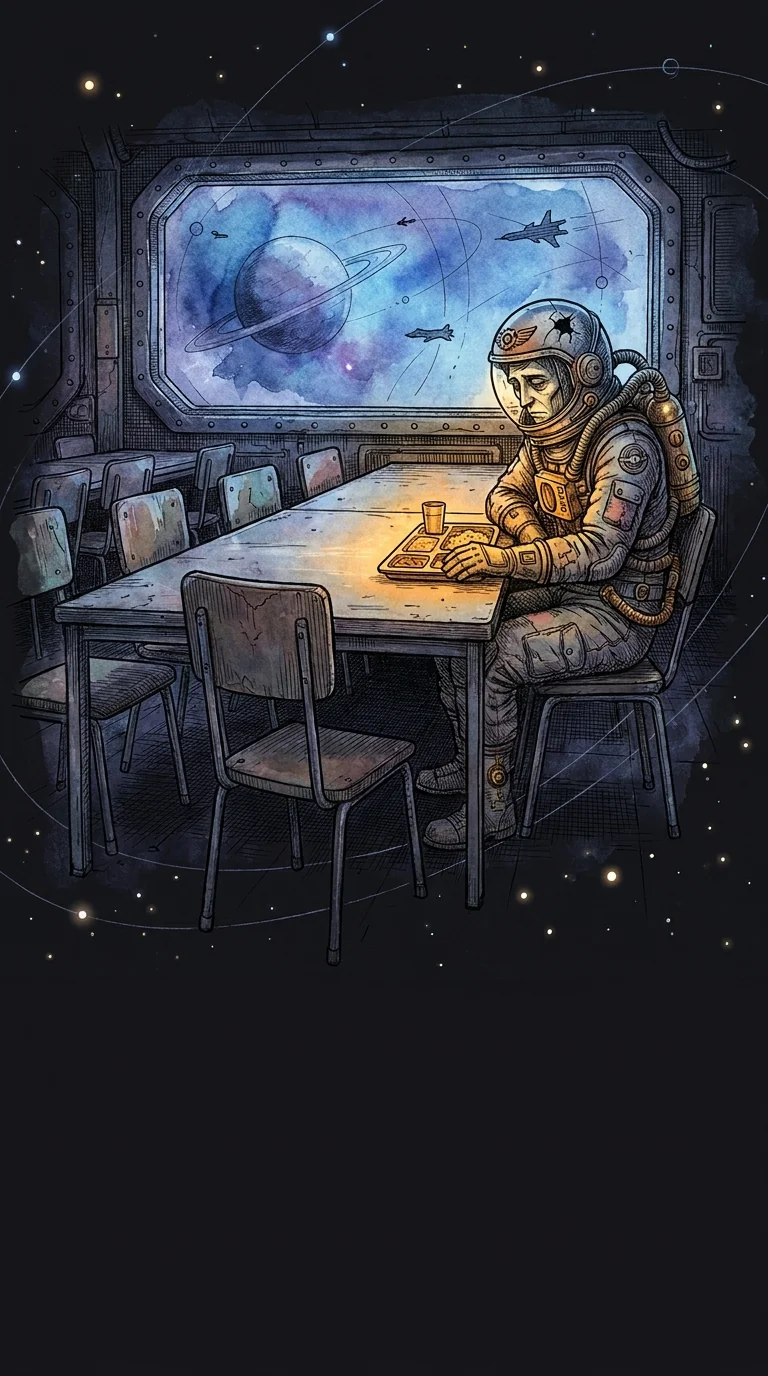
It's remarkably easy to hate someone you've never shared a meal with. Your brain can maintain an entire enemy profile — motives, moral failings, probable crimes — without a single data point from actual contact.
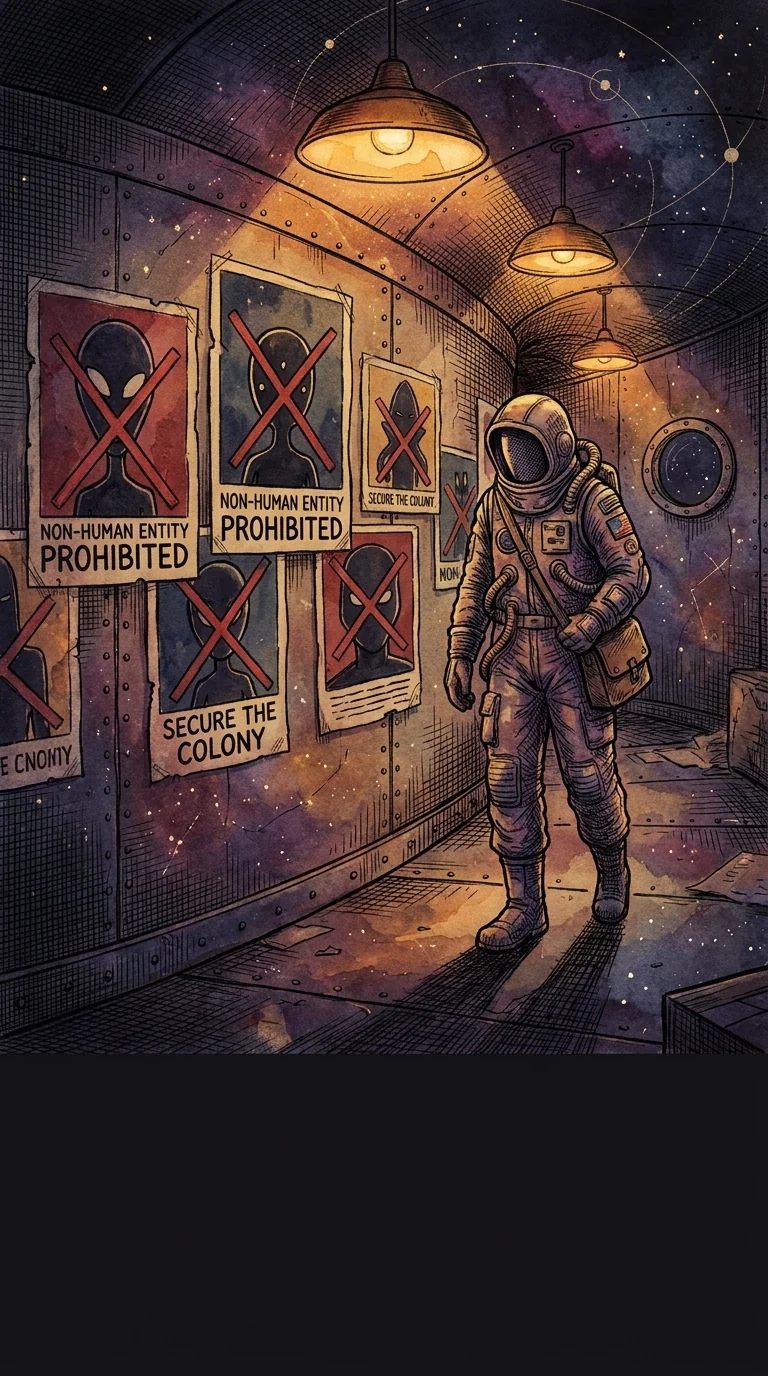
Propaganda doesn't need you to investigate the people it names as threats — it needs you to never meet them. Distance is the active ingredient. Every spoofed signal works better when the target stays an abstraction.
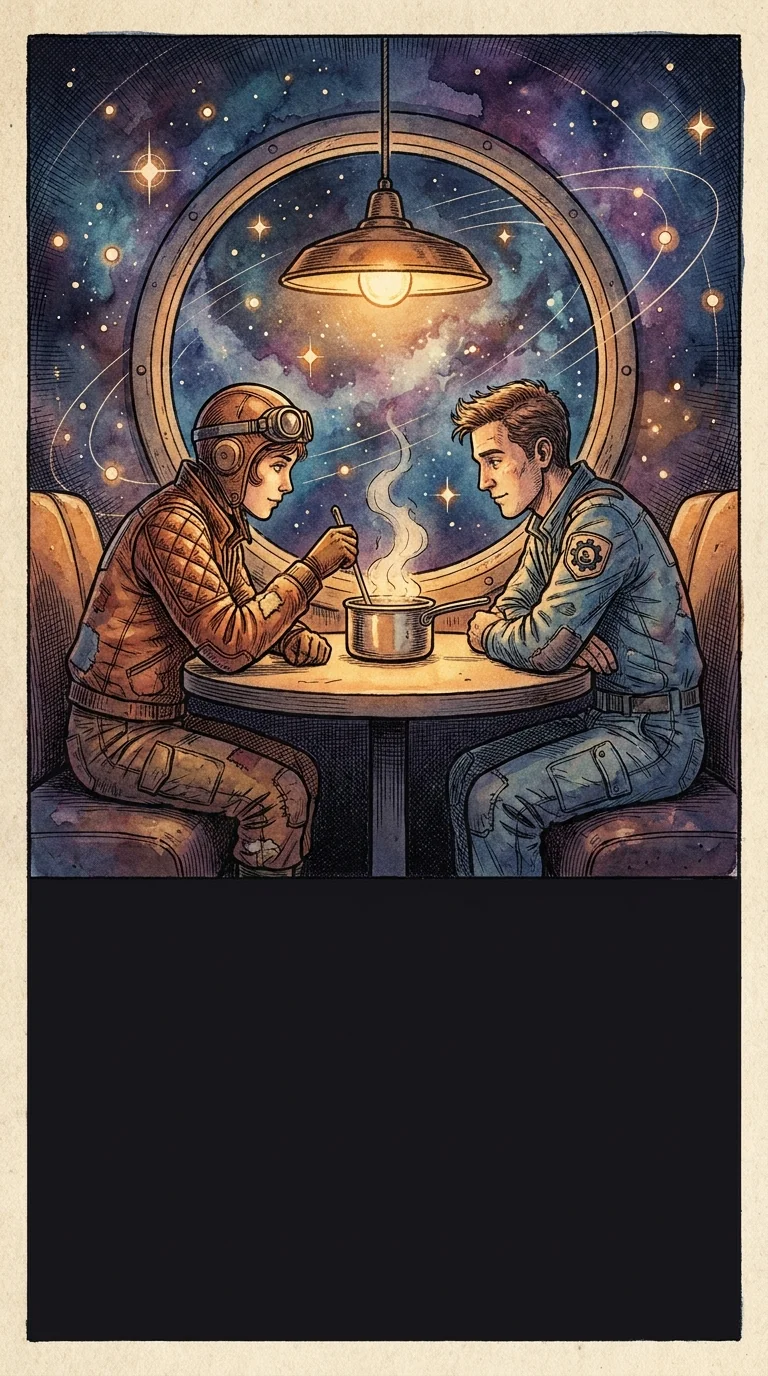
In 1954, psychologist Gordon Allport named the antidote: direct, sustained, equal-status contact between groups — under the right conditions — reliably reduces prejudice. Decades of research since have confirmed it. Proximity, done right, dissolves what propaganda builds.
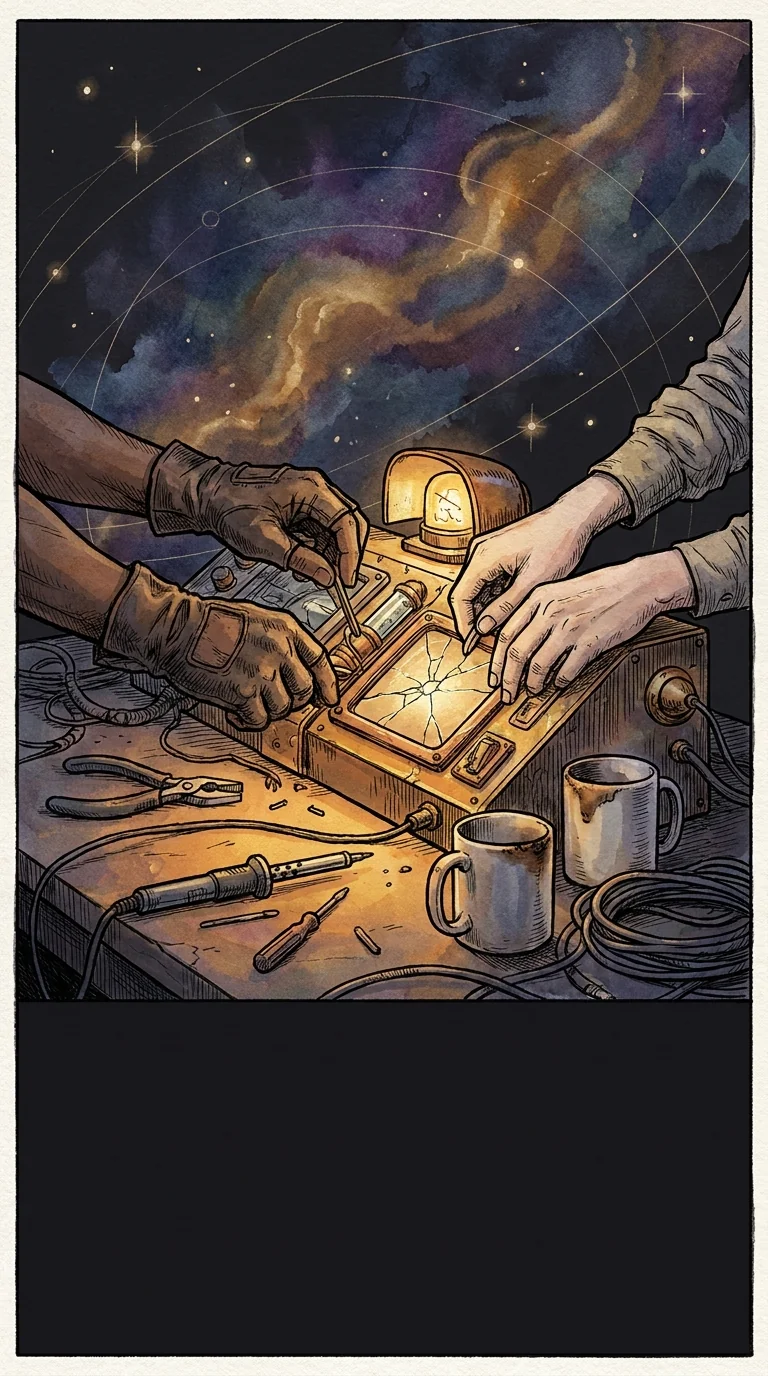
The conditions matter: equal footing, a shared goal, institutional support, and enough time for the other person to stop being a category and start being someone who also burns their coffee. Your brain can't sustain a caricature once it has a name, a bad joke, and a face that winces at the same cold.
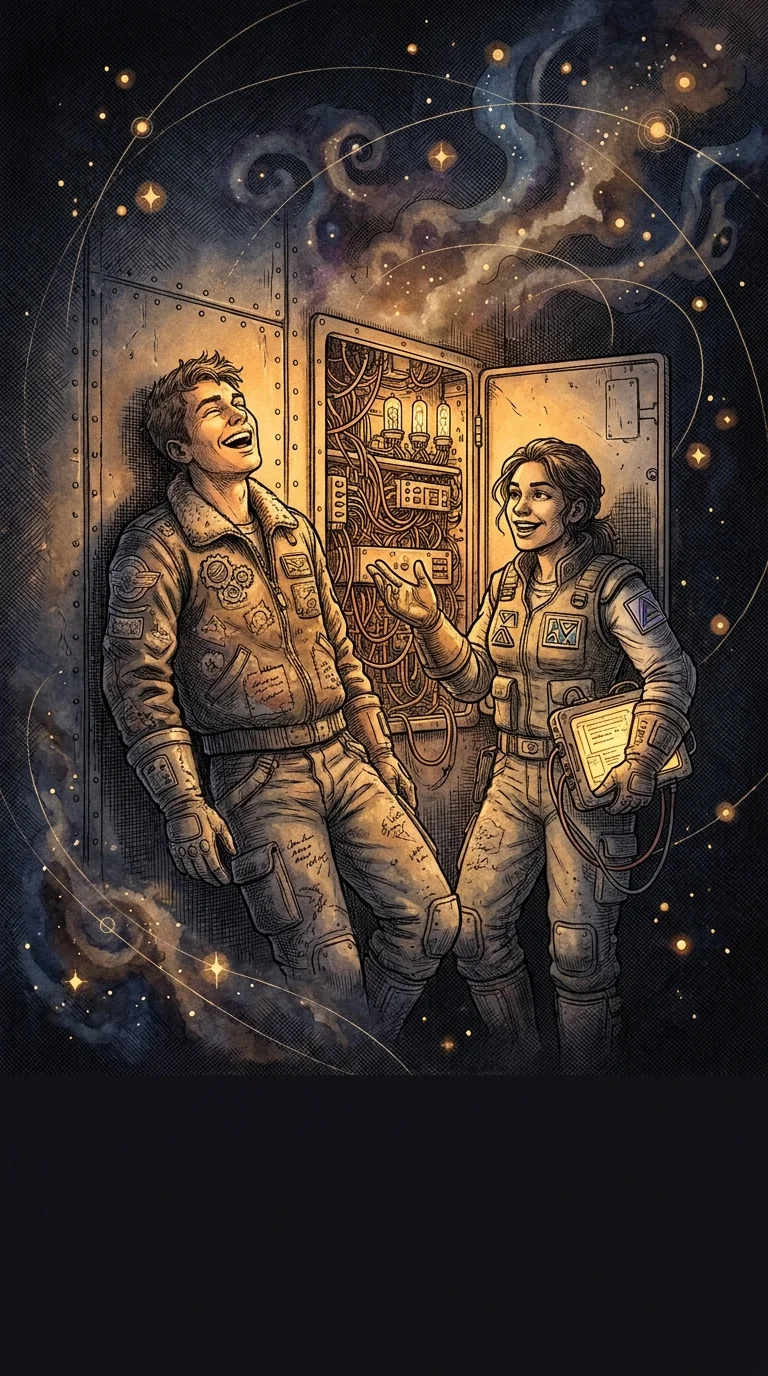
Marcus spent two years on message boards cataloging everything wrong with the settlers from Station Outer-14. Then his crew rotation put him on a three-month repair detail with one of them — a woman named Adira who was funnier than him and better at diagnostics. He didn't have an epiphany. He just ran out of ways to make her into a symbol.

Contact doesn't erase history or settle arguments. It makes the other person too real to flatten. That's not everything — but it's the thing propaganda cannot survive. In Part 2, you'll practice designing real contact conditions in your own life. See you there.
Part 2: Humanizing the Target — Practice
+10 XP on completion
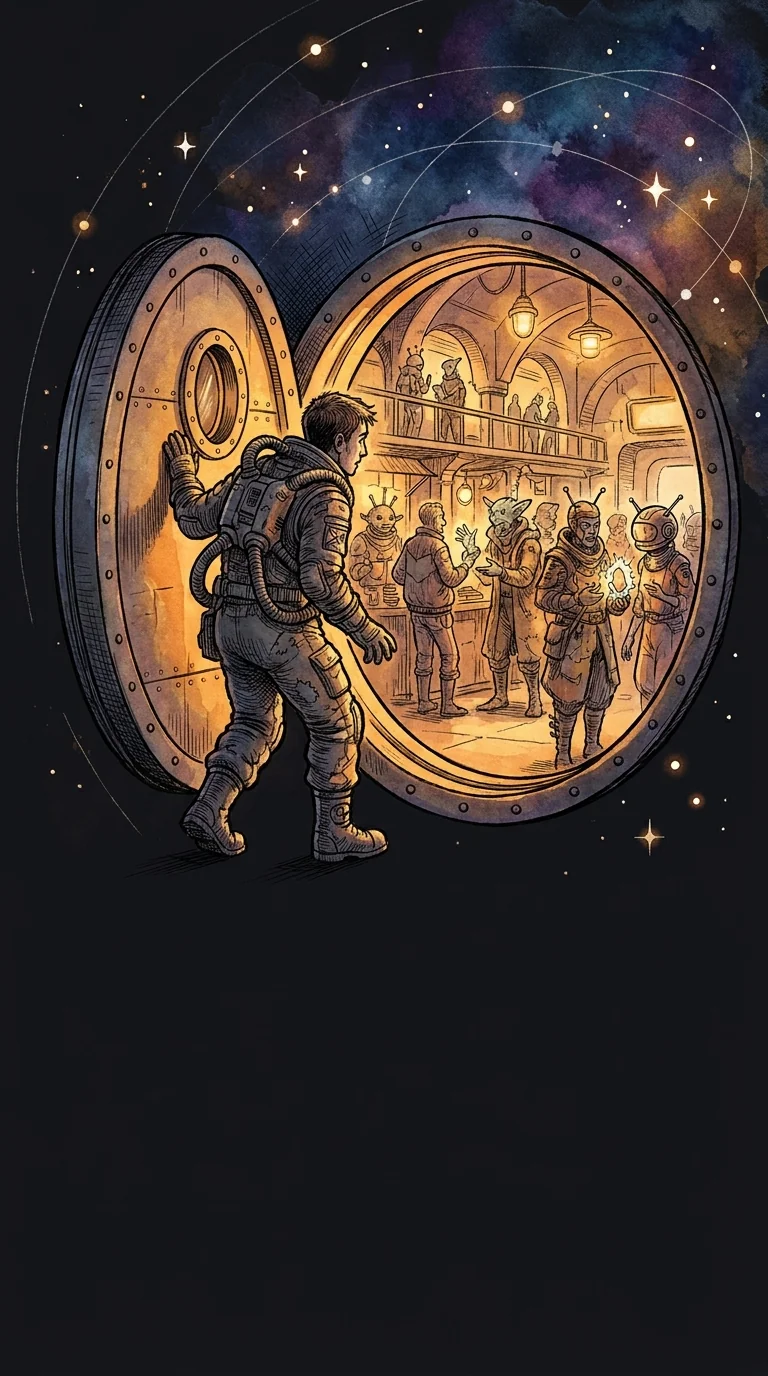
Equal-status contact with real people from the group you've been taught to fear is one of the most reliable prejudice-reducers social science has ever found. The technique that follows helps you set up that contact — even when your brain is screaming not to.
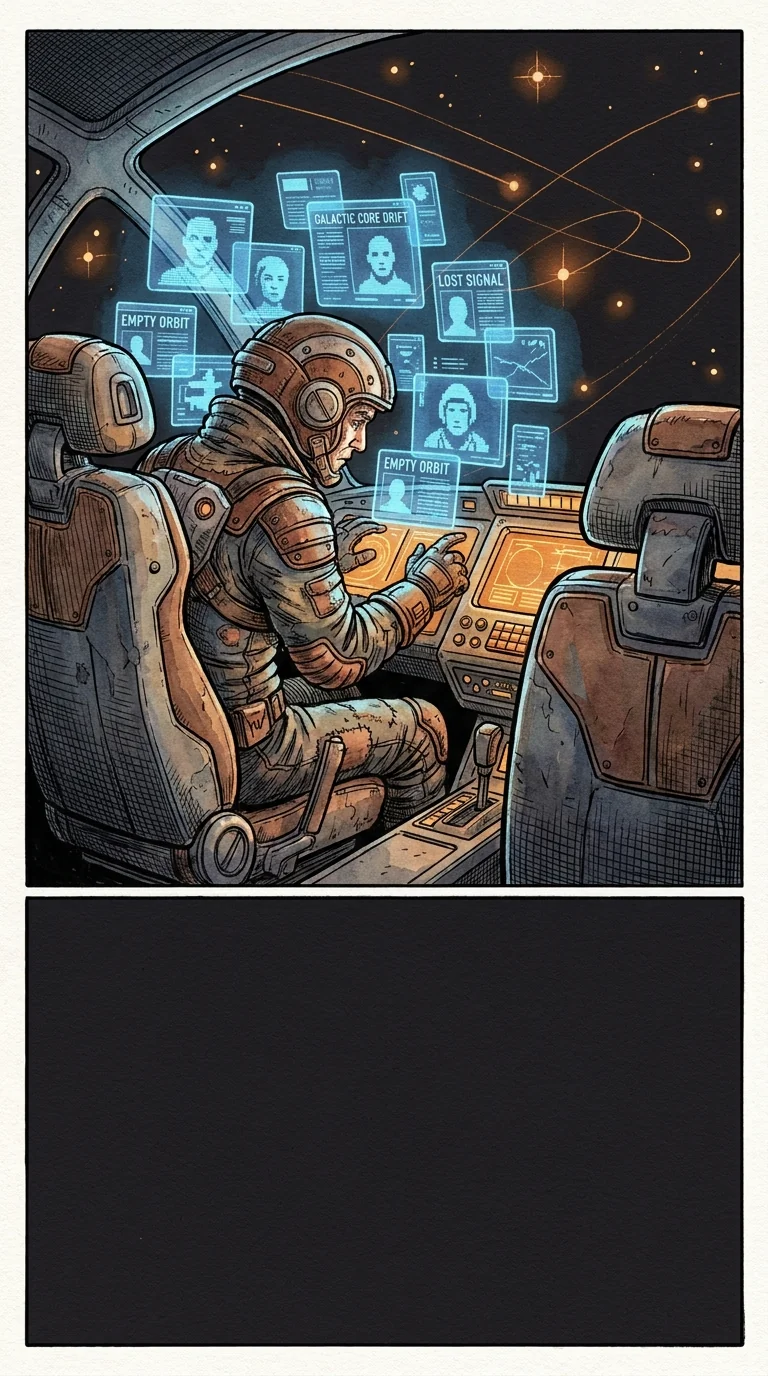
Your default move is to consume media about a group instead of sitting across from a member of it. Reading articles, watching documentaries, scrolling threads — all useful, none of them a substitute for a human face reacting to your actual presence.
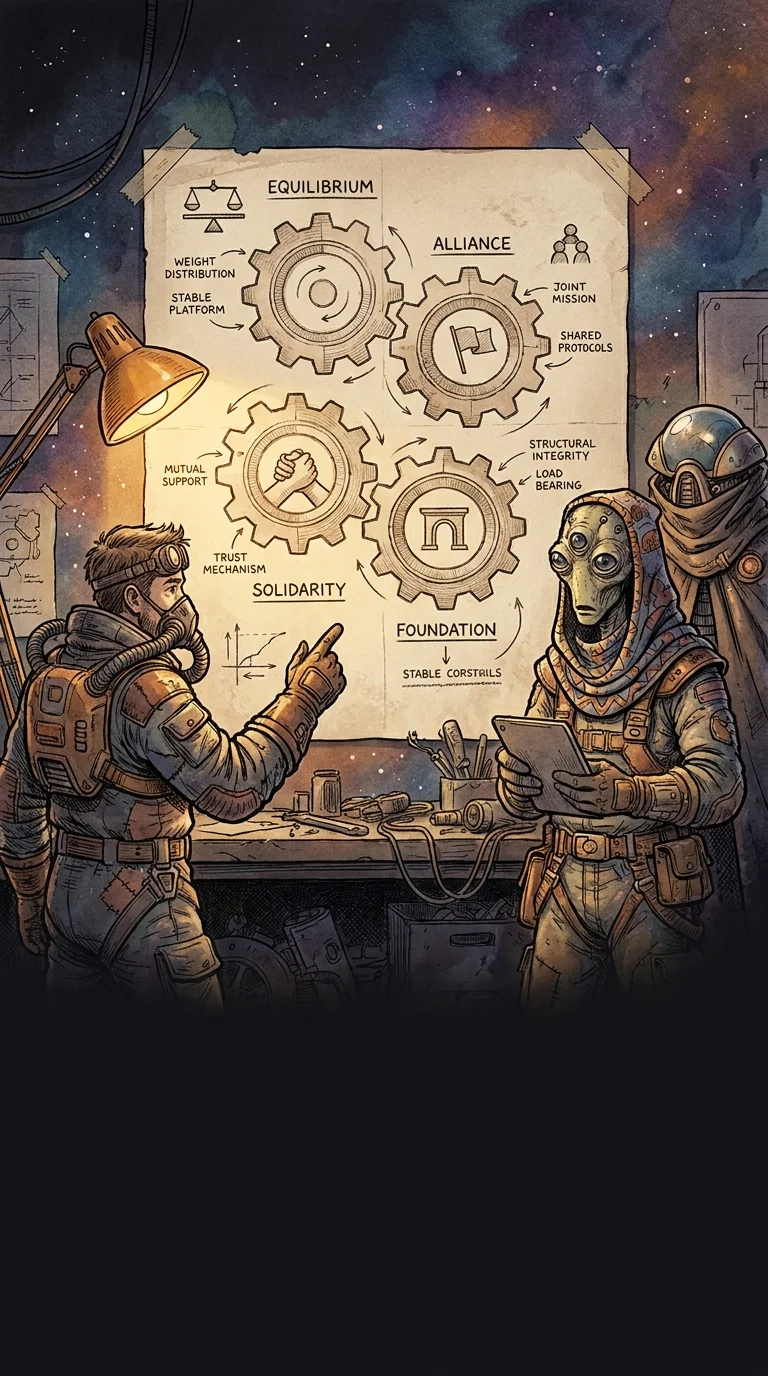
The technique is called the Contact Protocol. Four conditions make it work: equal status between you and the other person, a shared goal, genuine cooperation, and some kind of institutional or social support. Miss one and the contact can actually backfire — so you set up all four deliberately.
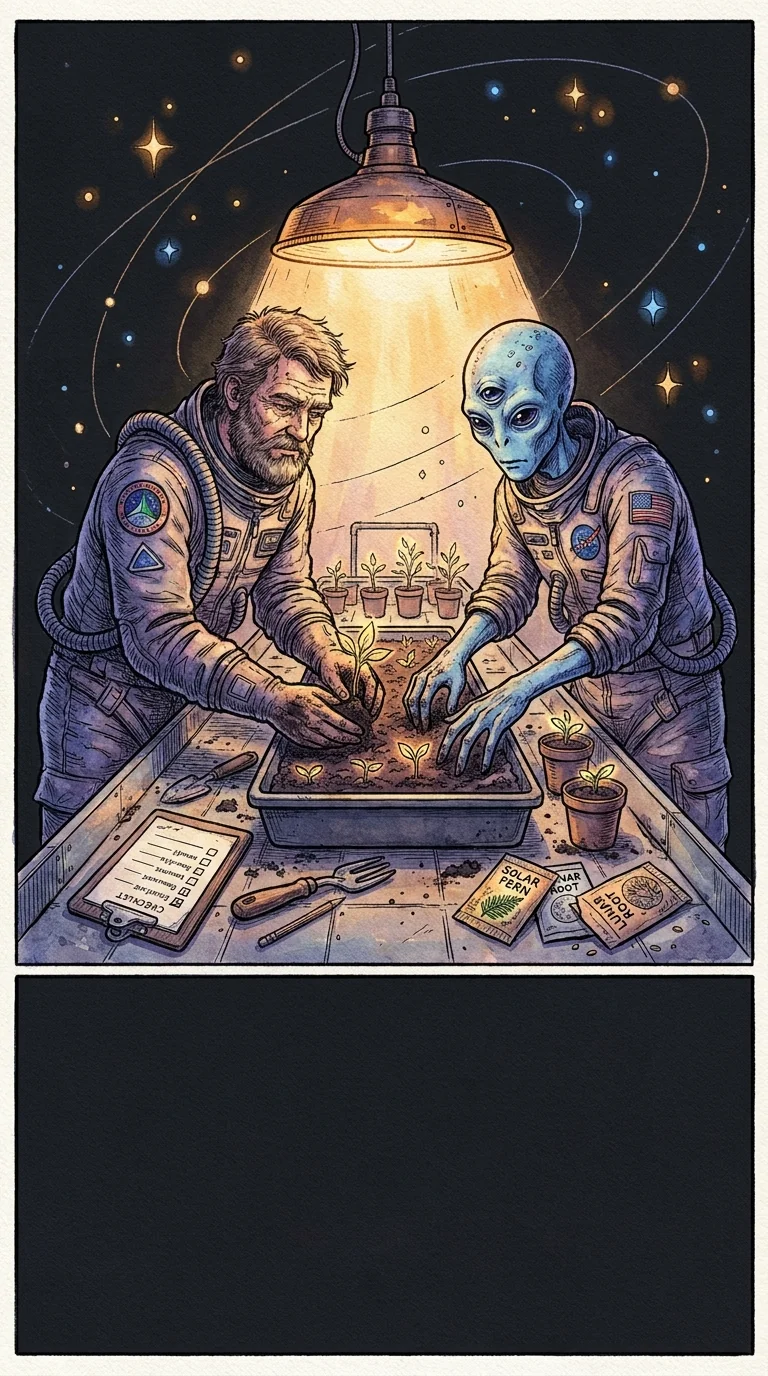
Here's how you run it. Pick a shared-purpose activity — a volunteer shift, a community class, a co-working project — where you and someone from the group you've been othering work side by side toward the same outcome. Not a debate. Not a cultural tourism visit. Shoulder-to-shoulder effort where you both need each other to finish the job.
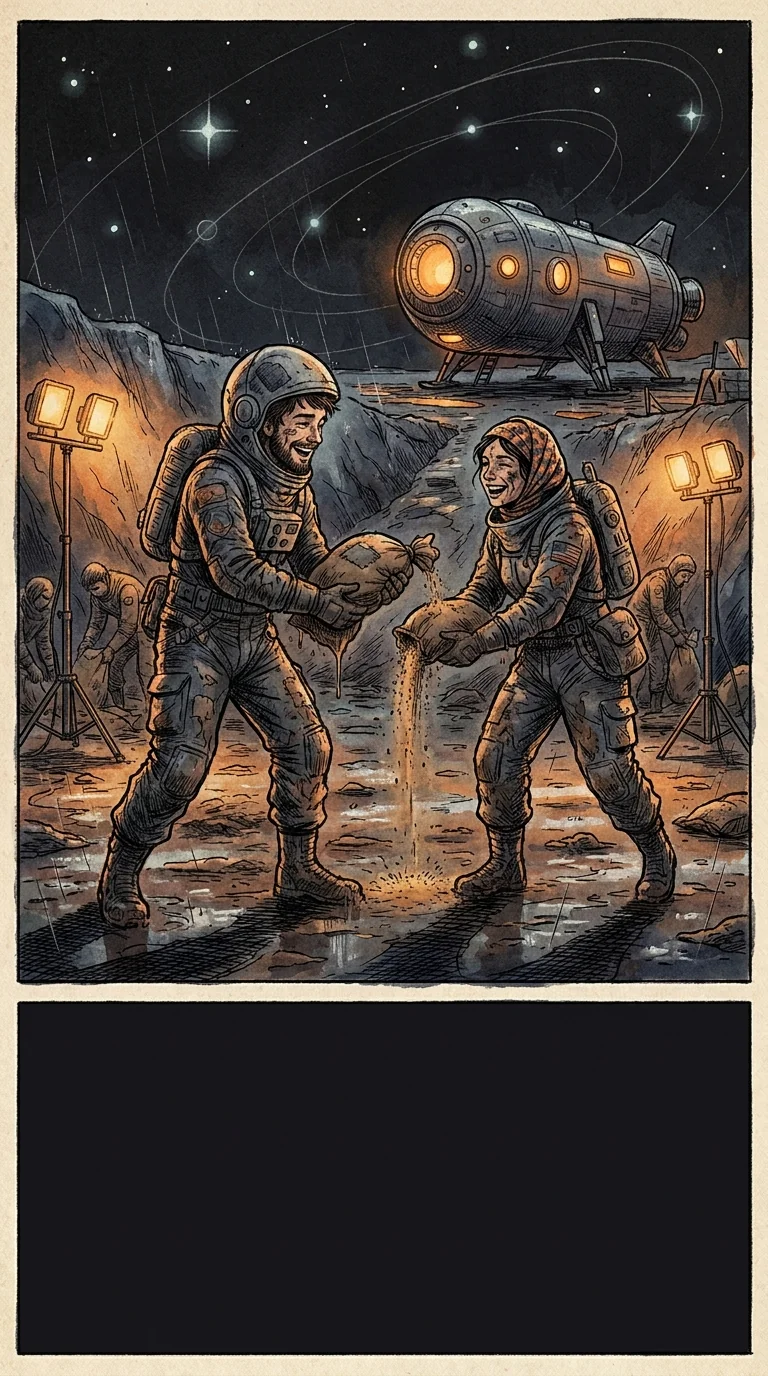
Alex had spent months in comment sections building elaborate arguments about why a particular immigrant community was a threat. Then a neighborhood flood put him on a sandbag line next to a woman named Farah from that same community. Eight hours of wet, exhausting, cooperative work. By the end he couldn't remember a single one of his talking points. He could remember her laugh when the bags kept splitting.
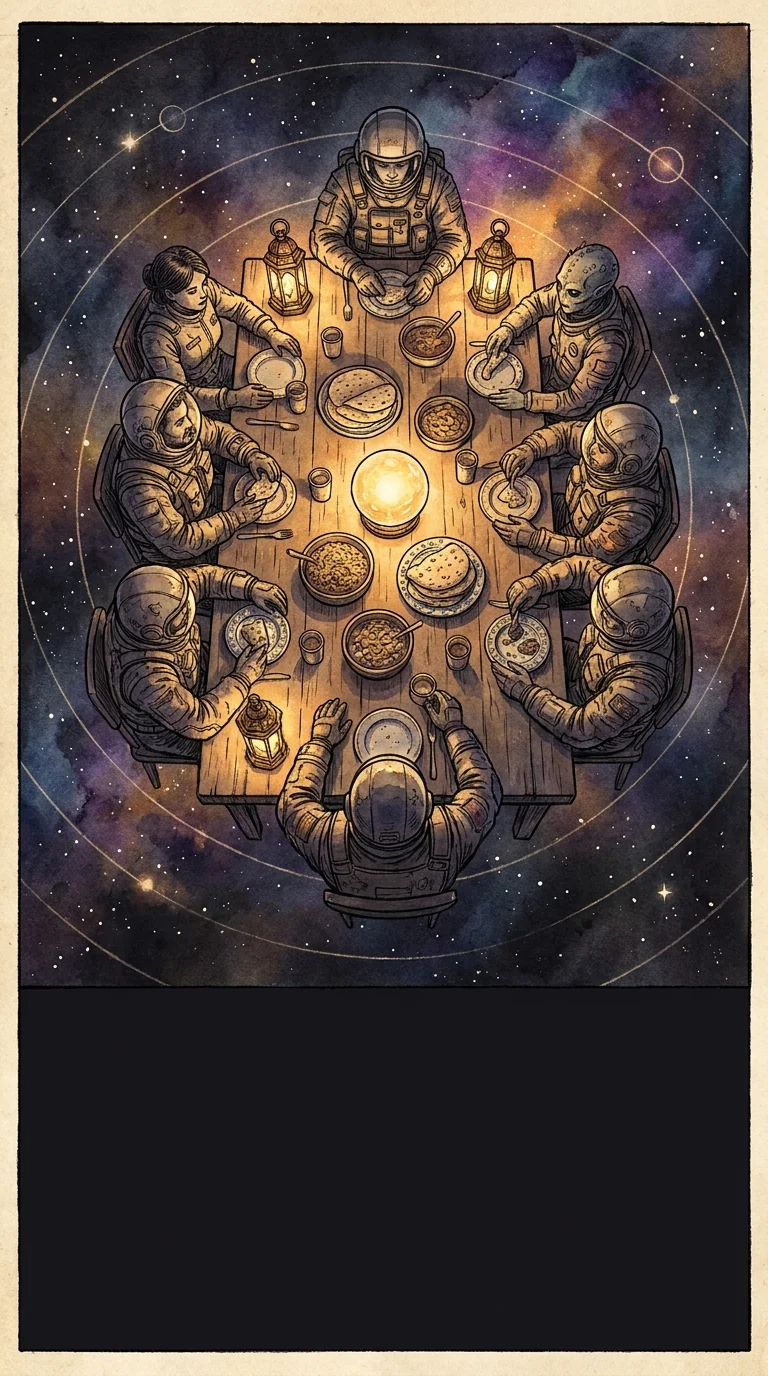
This week, find one shared-purpose space where you'll work alongside someone your brain has filed under "them." Not to prove a point. Not to perform openness. Just to do something useful together — and let the proximity do what proximity does. That's how categories start to dissolve into names.