Your Emotional Immune System
You're never going to stop encountering propaganda. It's in the water supply — the feeds, the group chats, the algorithm's helpful suggestions. So "just avoid it" was never a real plan.
Part 1: Your Emotional Immune System — Concept
+5 XP on completion
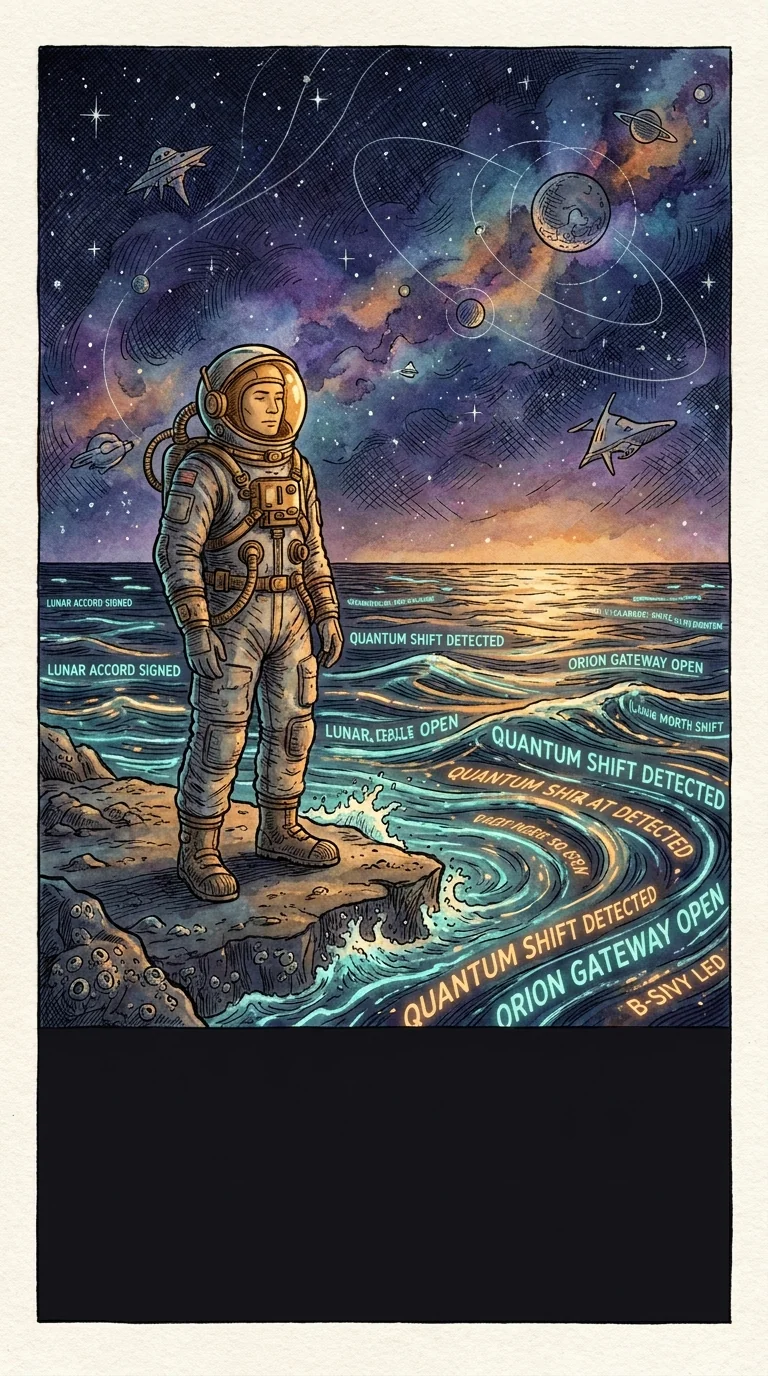
You're never going to stop encountering propaganda. It's in the water supply — the feeds, the group chats, the algorithm's helpful suggestions. So "just avoid it" was never a real plan.
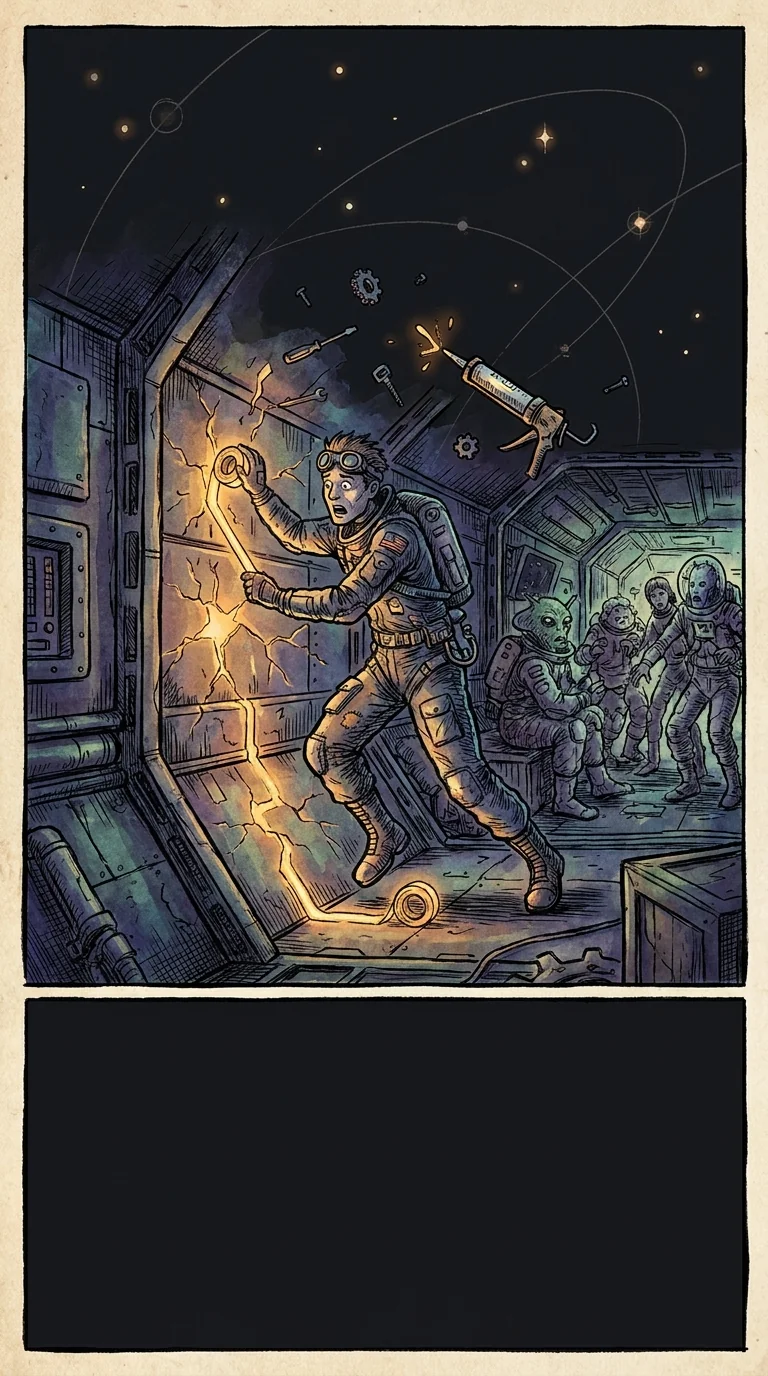
The old approach was quarantine — block every bad source, mute every bad actor, build the wall higher. Except the signal keeps finding new frequencies. You can't firewall your whole life.
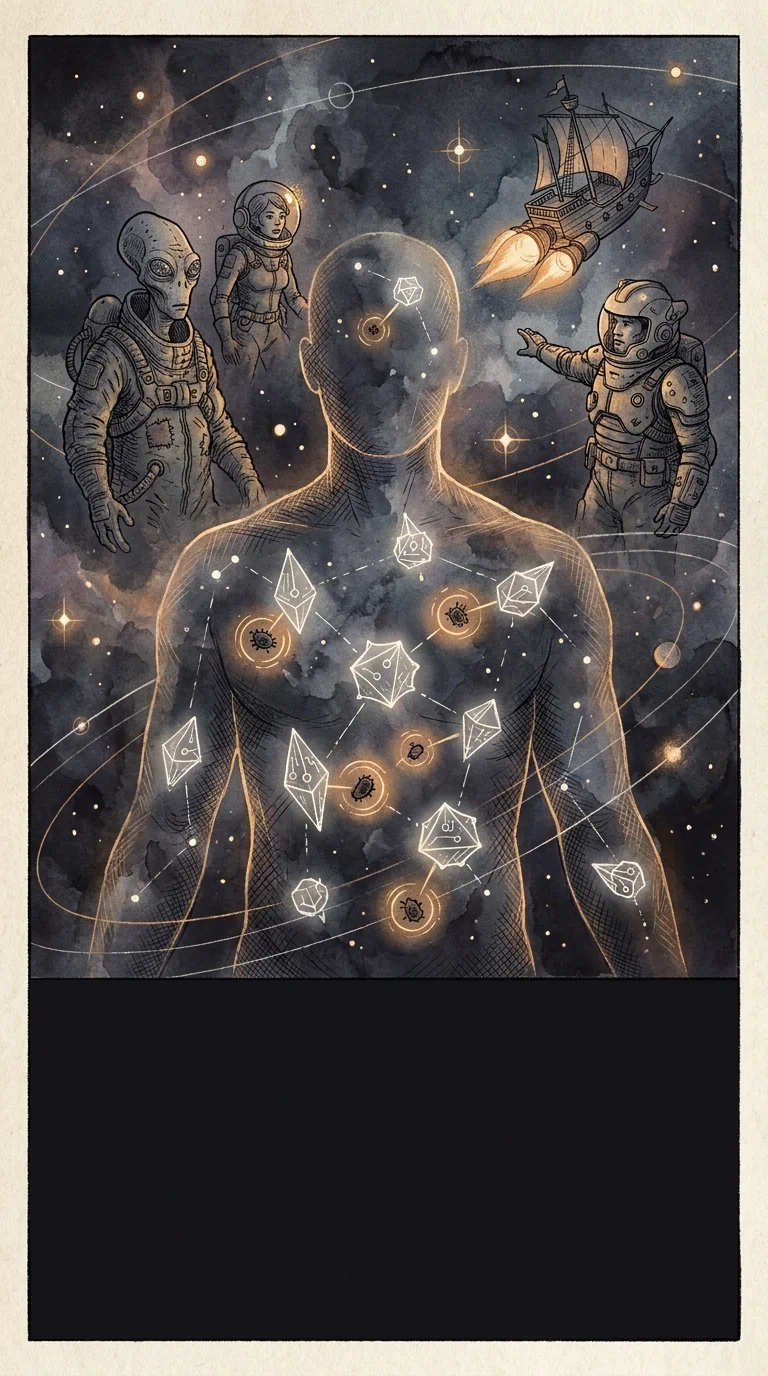
Your body doesn't try to live in a sterile bubble. It builds an immune system — something that recognizes a pathogen when it shows up, tags it, and keeps you from overreacting. Your mind can do exactly the same thing with bad-faith messaging.
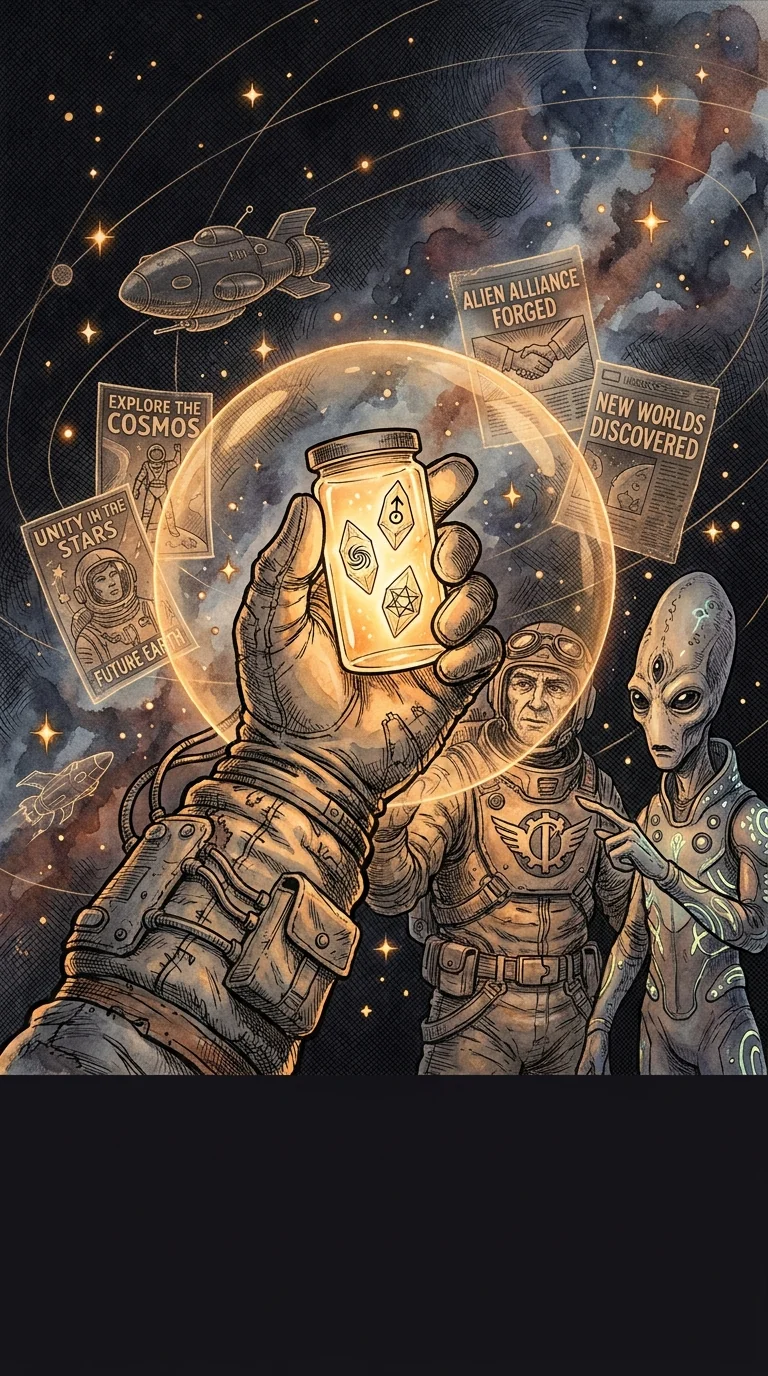
Here's how it works: exposure plus recognition equals resilience. Every spoofed signal you've learned to name — the false dilemma, the dehumanizing frame, the manufactured urgency — becomes an antibody. You don't need to panic when you spot one. You just need to spot it.
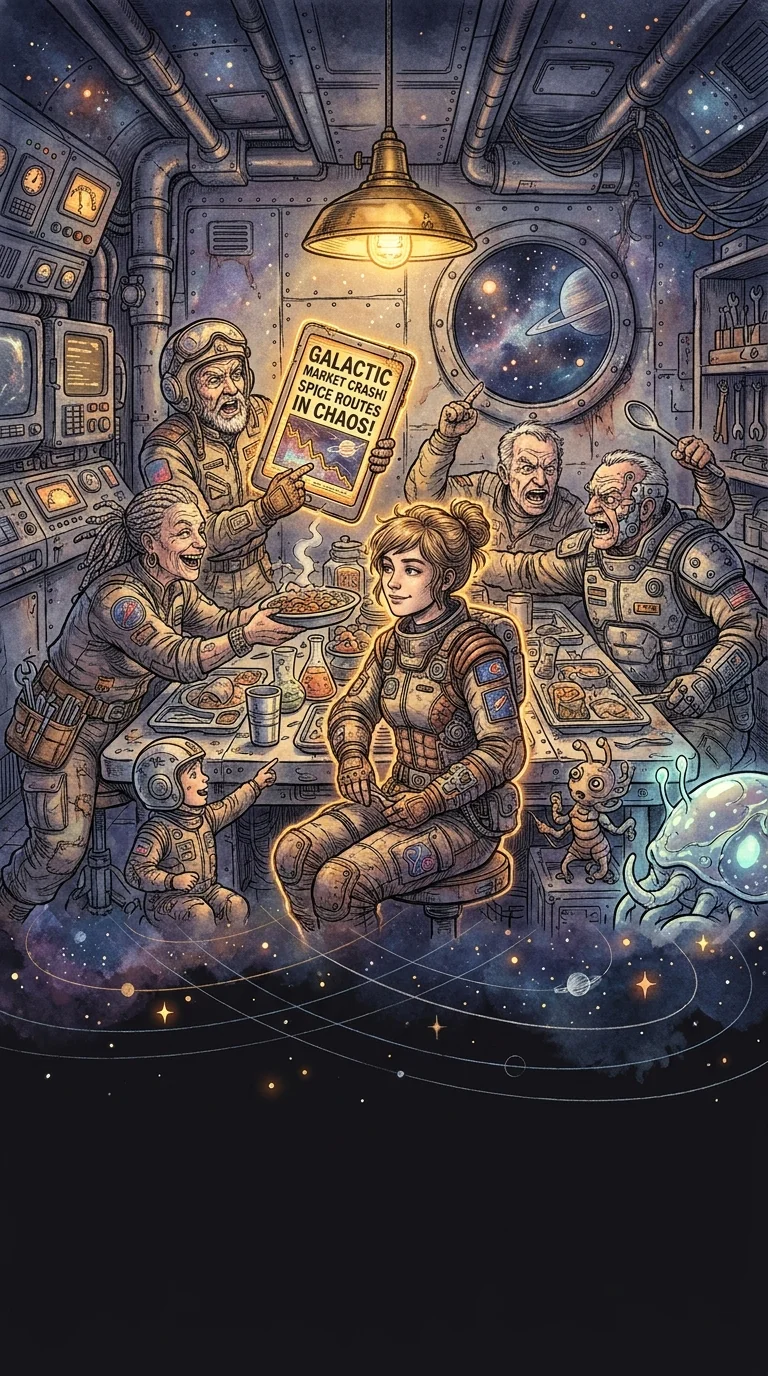
Sarah used to white-knuckle her way through family dinners — one uncle's forwarded meme could ruin her whole week. Now she clocks the framing in about four seconds. The meme still arrives. She just doesn't swallow it whole anymore.

An immune system isn't built in a day — it's built in nineteen. And you've been building yours since Day 1. In Part 2, you'll stress-test it with a rapid-recognition drill. See you there.
Part 2: Your Emotional Immune System — Practice
+10 XP on completion
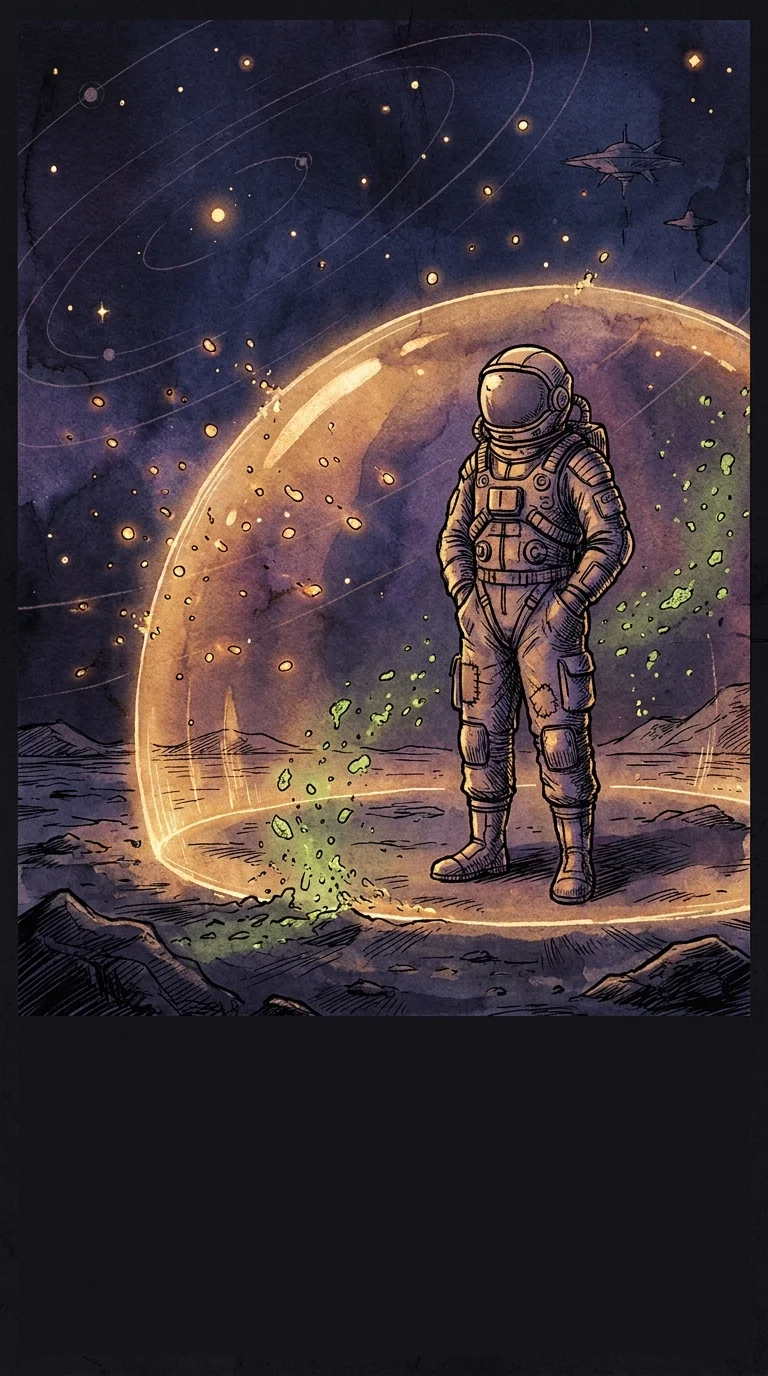
You don't need a wall around your brain. You need a recognition system inside it — something that spots the pathogen before it rewrites your mood.
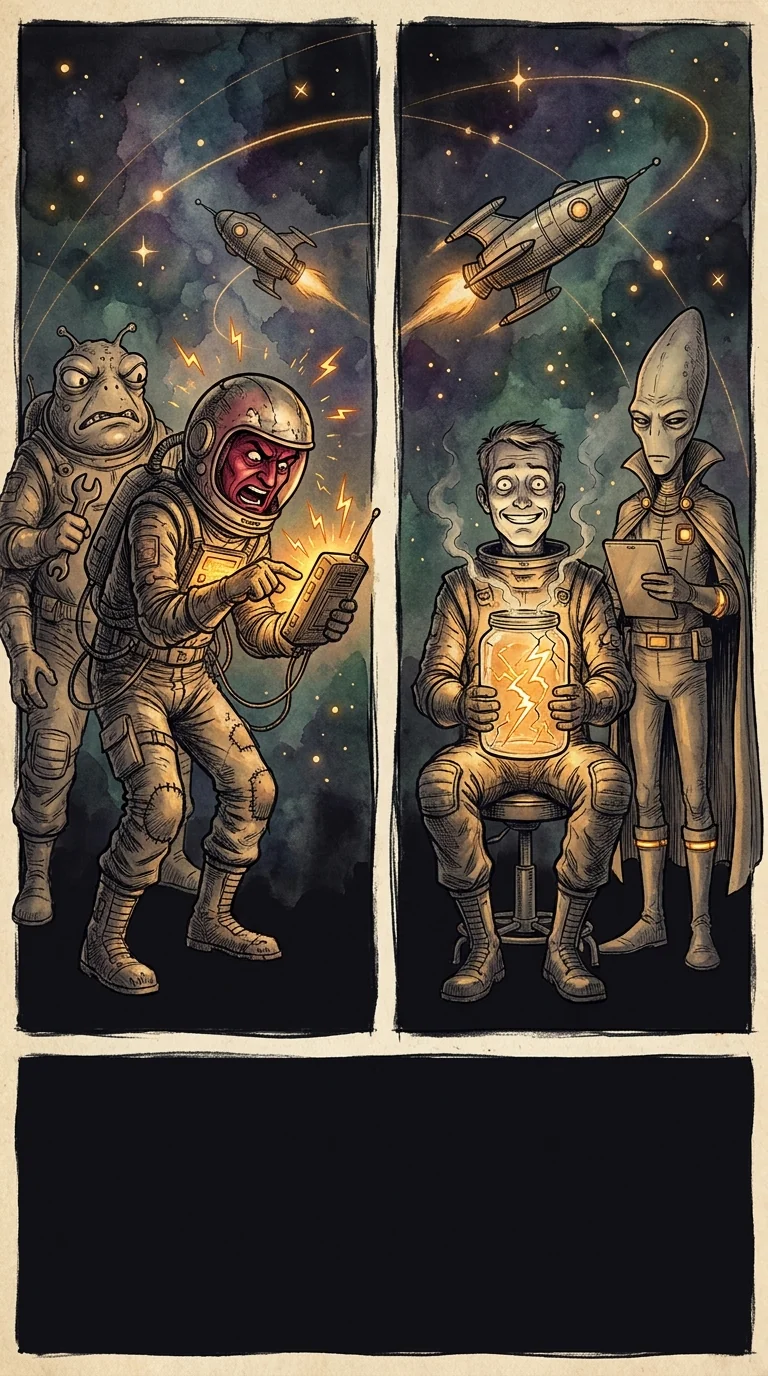
The old approach: see something enraging online, feel the adrenaline spike, and either rage-share it or white-knuckle your way through pretending you're fine. Neither one is immunity — that's just infection with different symptoms.
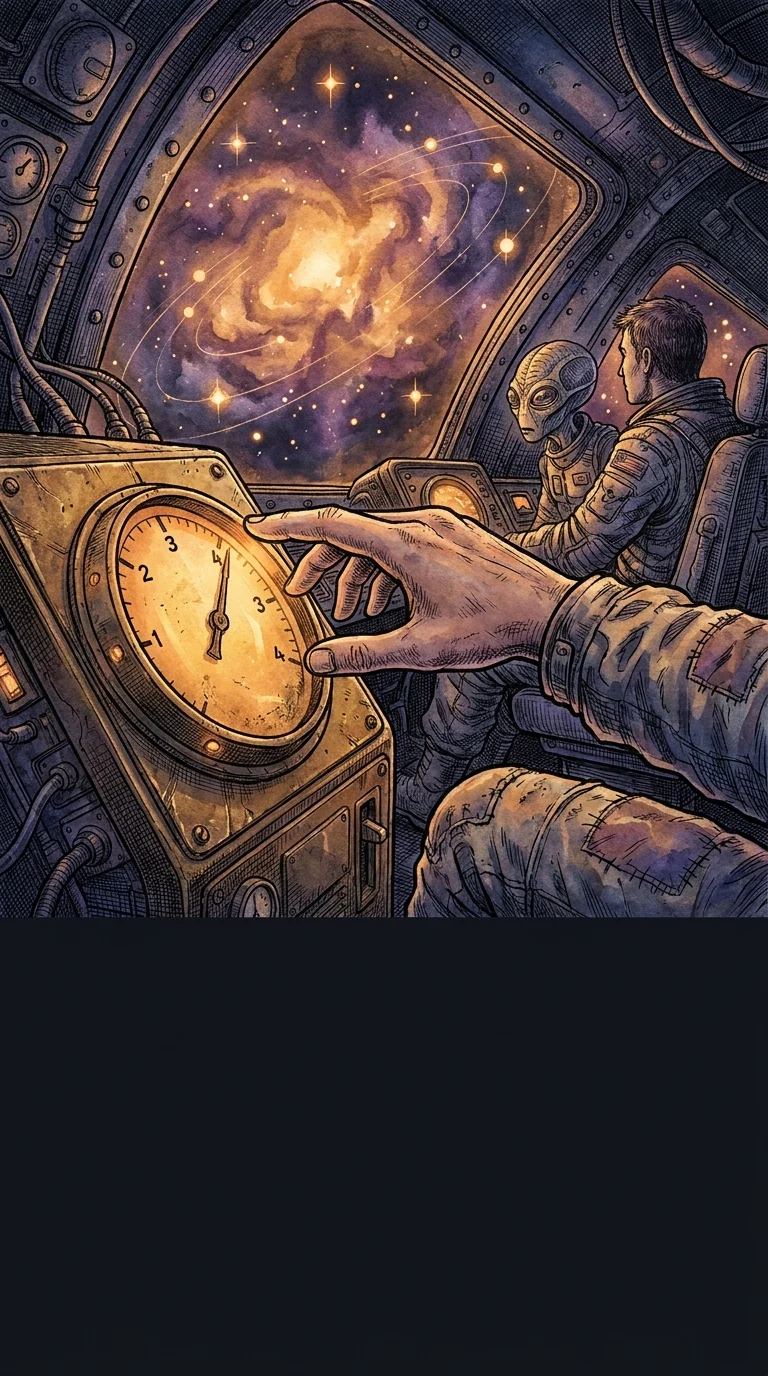
The technique is called the Four-Second Triage. It's not about controlling your emotions — it's about giving your recognition system four seconds of runway before your reflexes take the wheel.
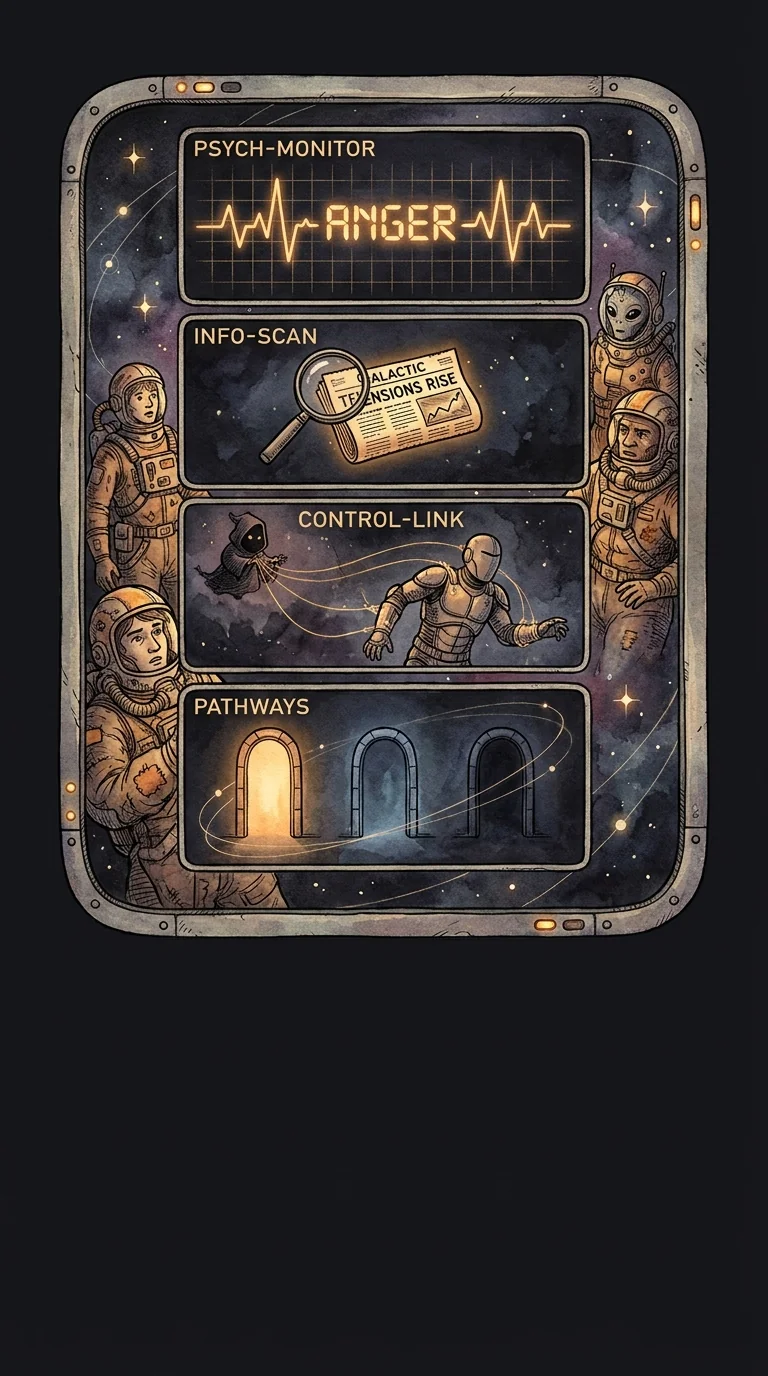
Second one: name the emotion — anger, disgust, fear, whatever showed up. Second two: name the trigger — what specific claim or image spiked it. Second three: ask "who benefits if I react right now?" Second four: choose — respond, save for later, or let it pass. That's the whole protocol.
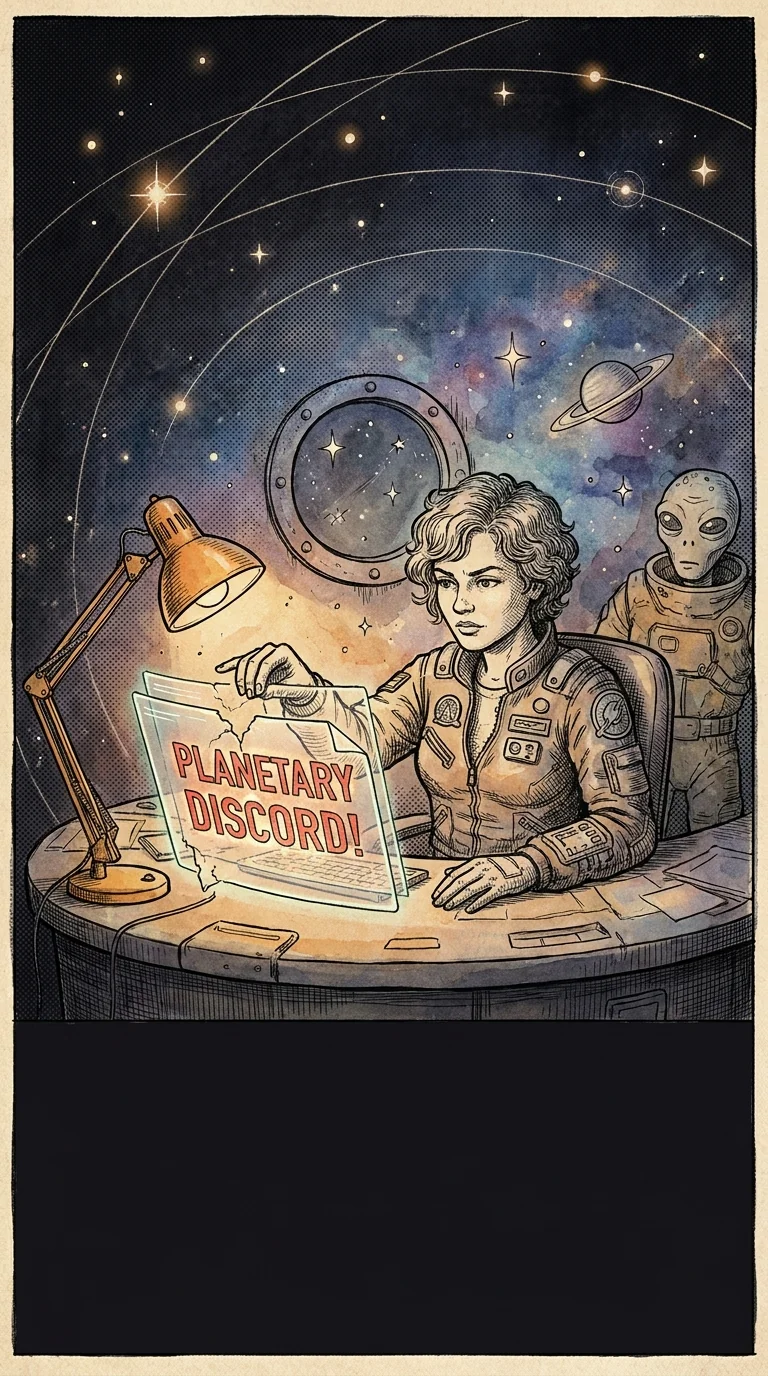
Sarah saw the post — a manufactured outrage piece designed to make her furious at a group of people she'd never met. She felt the spike. One: anger. Two: a decontextualized statistic. Three: a page that profits from shares. Four: she closed the tab. Not because she didn't care — because she did, and caring deserved better than a reflex.
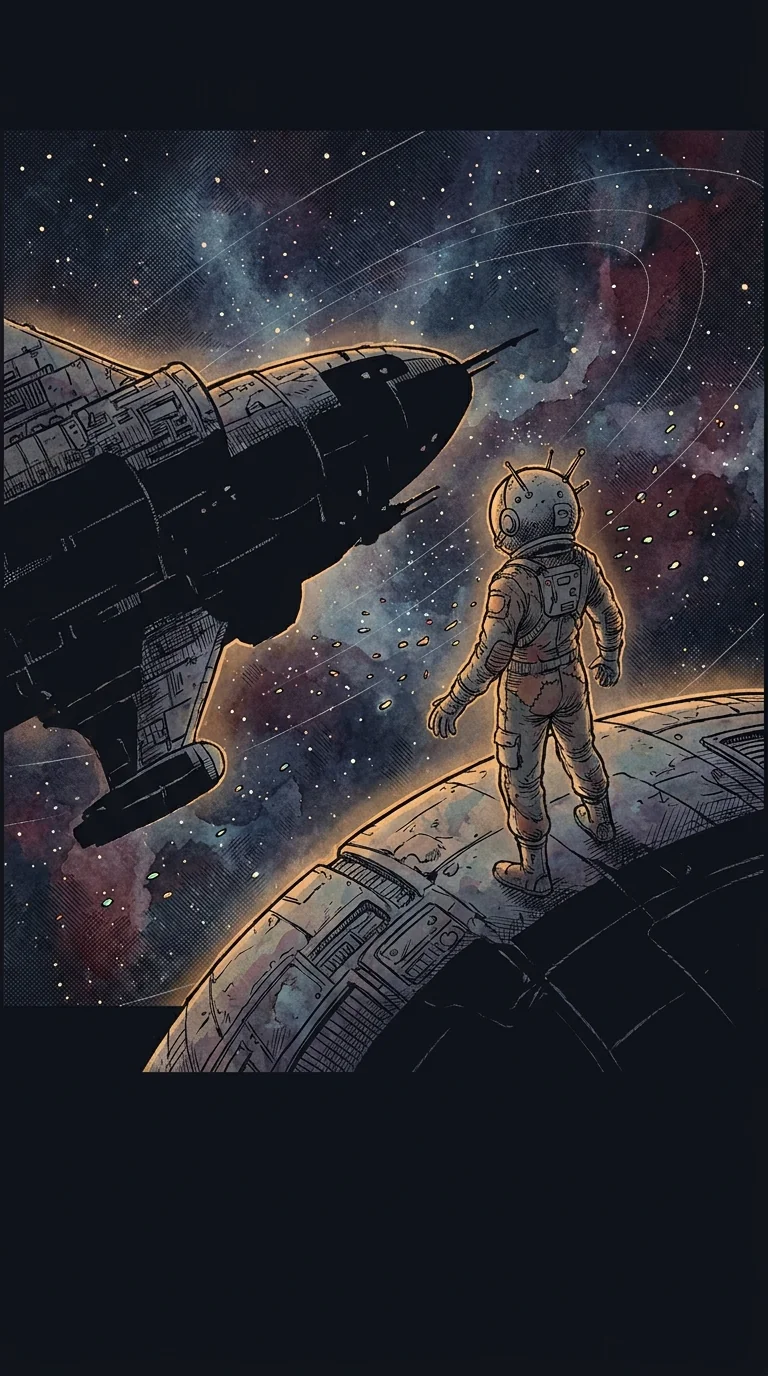
Four seconds won't make you invincible. But practiced enough times, they become the difference between a brain that gets hijacked and one that decides for itself. That's not a wall — that's an immune system worth having.