Source and Motive
A message arrives on your screen: alarming headline, gut-punch photo, a statistic that sounds just plausible enough. Your first instinct is to ask, 'Is this true?' That's the wrong first question.
Part 1: Source and Motive — Concept
+5 XP on completion
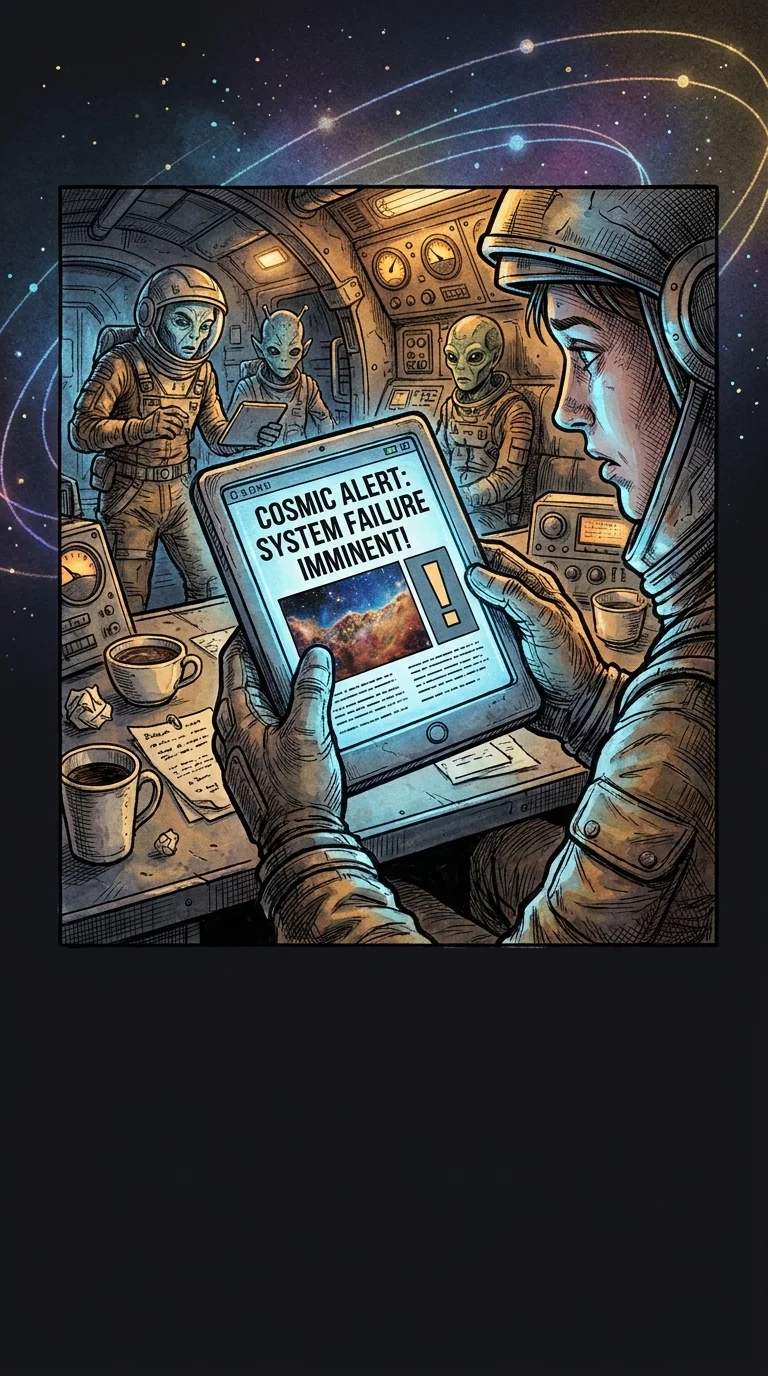
A message arrives on your screen: alarming headline, gut-punch photo, a statistic that sounds just plausible enough. Your first instinct is to ask, 'Is this true?' That's the wrong first question.
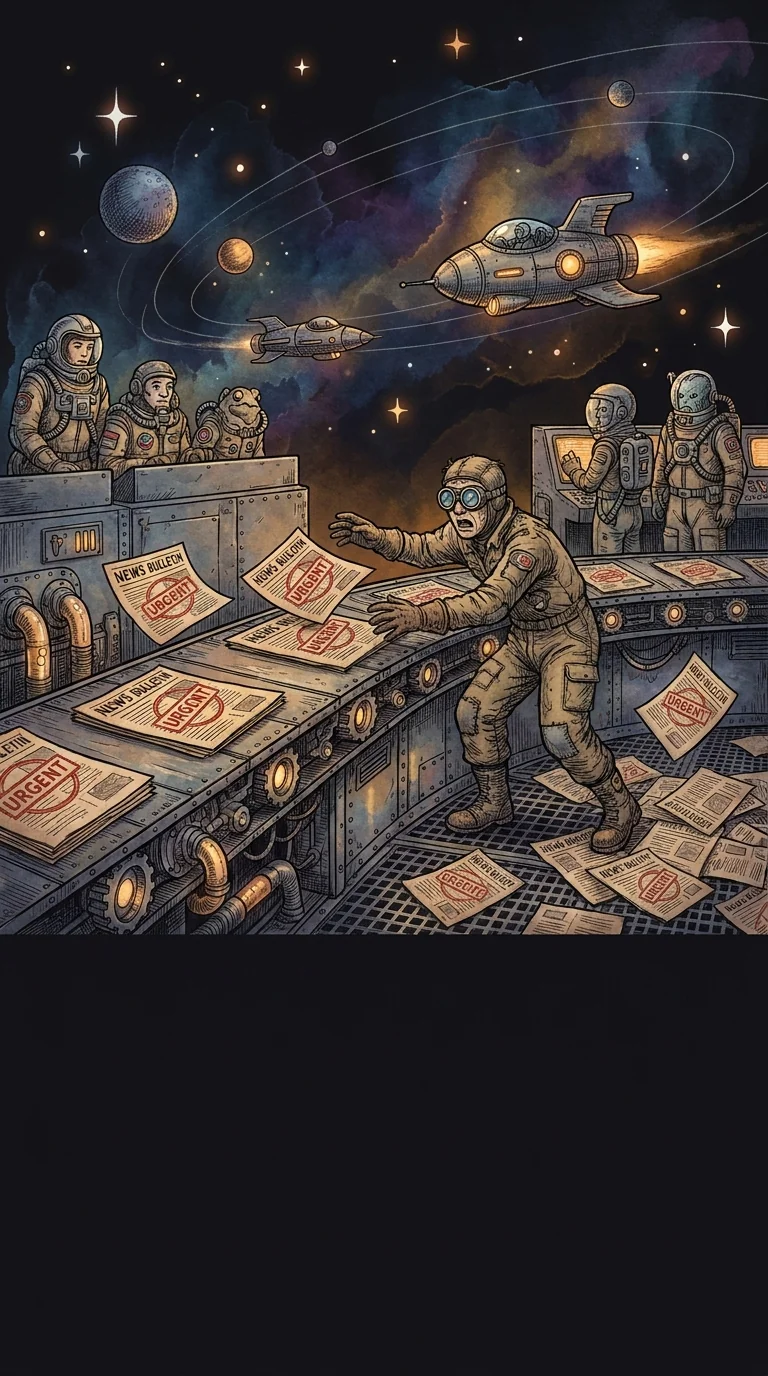
Fact-checking is great — when it's possible. But propaganda is specifically engineered to outrun your ability to verify. By the time you've confirmed the stat is misleading, you've already shared it, felt the outrage, and let it reshape what you think 'those people' are like.
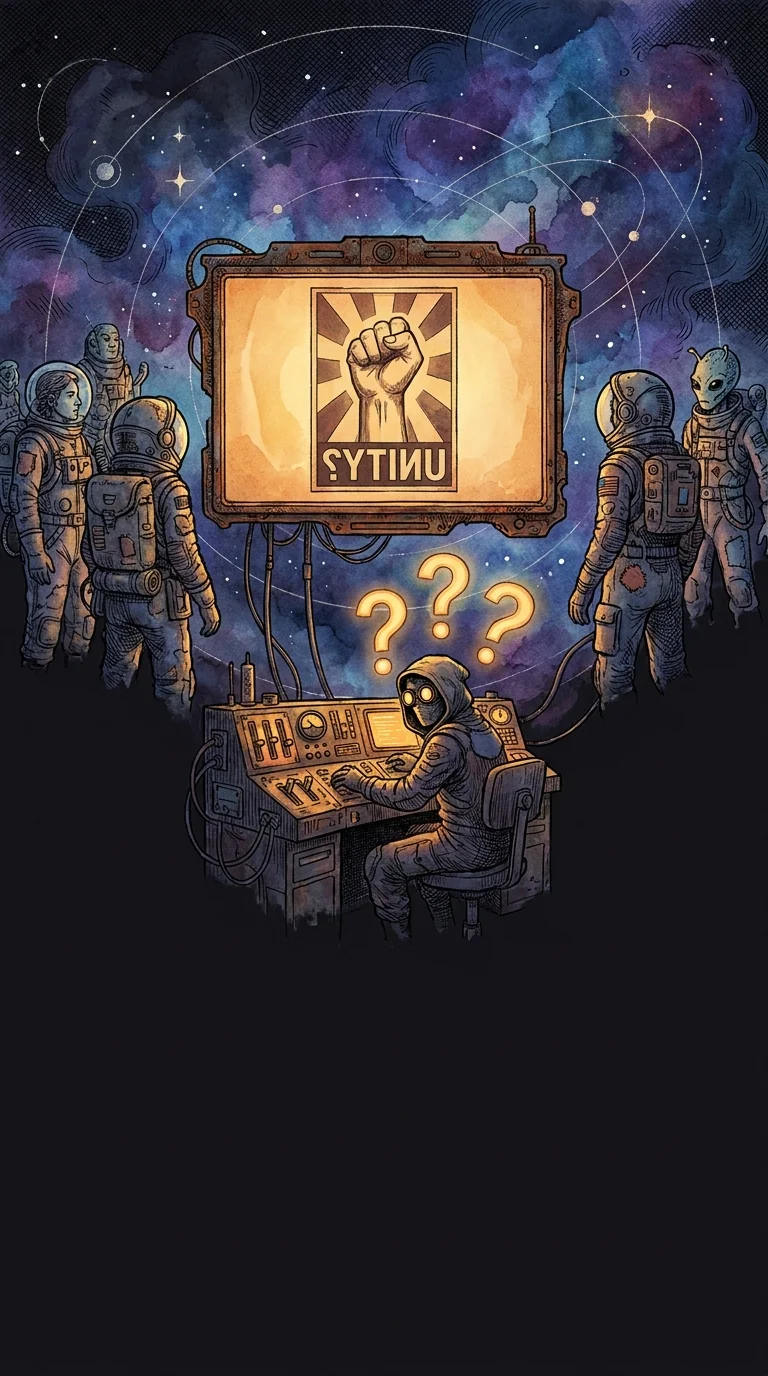
Two better questions exist, and they work on almost anything: Who created this? What do they gain if I believe it? You don't need to debunk the claim. You need to see the hand behind the curtain pulling the lever.
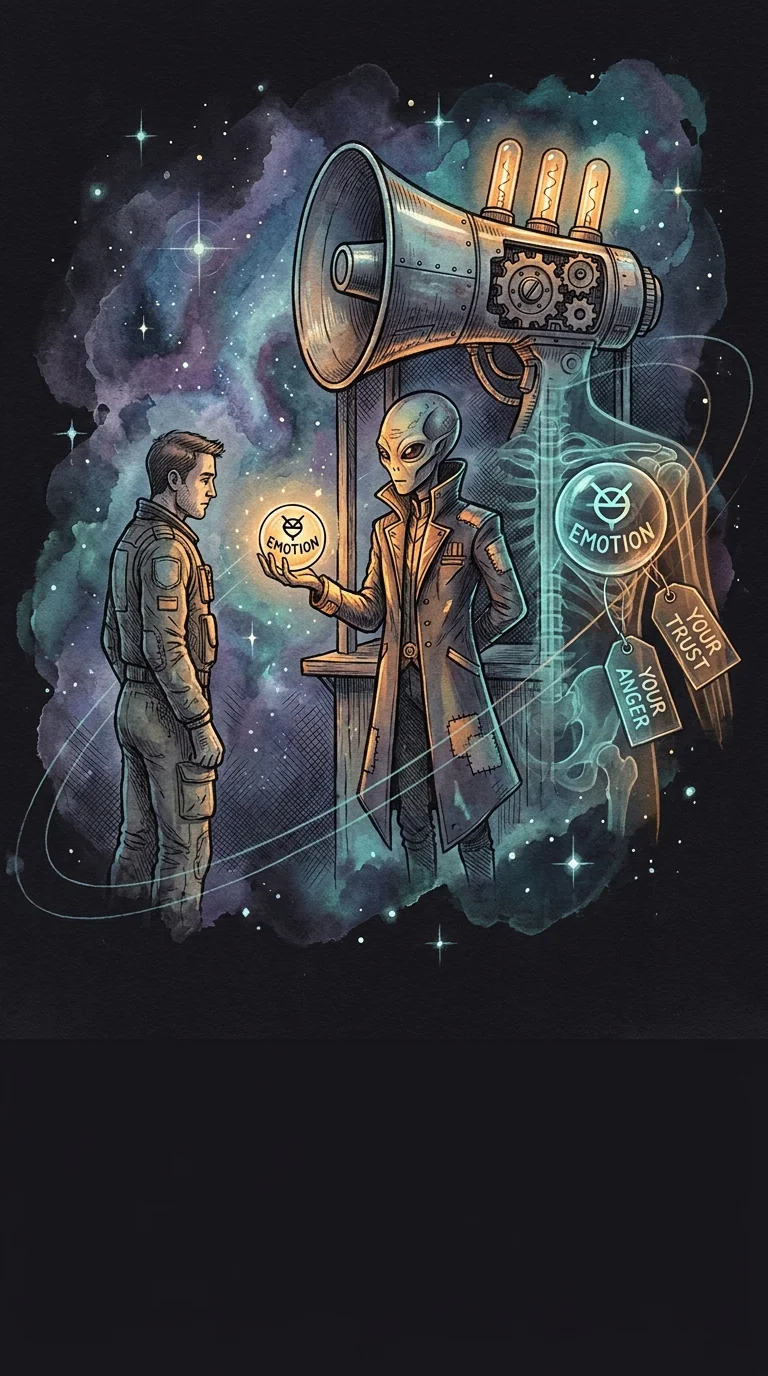
Source tells you whose mouth it came from. Motive tells you what they're shopping for — your vote, your anger, your membership, your silence. Once you see the transaction, the emotional payload loses about half its thrust. Convenient how rarely the message wants you to notice the seller.

Lisa saw a viral post claiming a local refugee center was draining the town's budget — complete with a scary-looking graph. Instead of arguing the numbers, she searched the account that posted it. A political action committee three states away, funded by a lobbying group that openly wanted the center shut down. The graph might have been wrong or right. The motive was already visible.
You don't need to be an expert on every claim. You need two questions and thirty seconds of curiosity about who's selling and why. In Part 2, you'll practice running the Source-and-Motive check on real-world content until it becomes reflex. See you there.
Part 2: Source and Motive — Practice
+10 XP on completion

Every piece of propaganda has a return address and a profit motive — even when both are hidden. Your job today is learning the two-question scan that strips the camouflage off.

When something outrageous lands in your feed, your brain lunges at the content — is this true? is this fair? That's exactly the wrong first question, because it traps you inside the frame the creator chose for you.

The technique is called the Source-Motive Scan. Before you react to what a message says, you ask two questions in order: Who created this? and What do they gain if I believe it? That sequence breaks the spell before it sets.

Here's the drill. Pick any viral post or forwarded claim you've seen this week. Write down: who actually made it (not who shared it — who built it), and what behavior or belief they profit from if you pass it along. If you can't answer both, that's your answer.

Alex almost shared a furious post about a new policy — until she ran the scan. The account had no history before last month. The only thing it gained from her outrage was her outrage, multiplied. She closed the tab and felt something she hadn't expected: relief.

You now own a filter that works on any claim, any platform, any topic. Two questions, asked in order, before your emotions do the talking. Tomorrow we go deeper — into what happens when propaganda points you at a person instead of an idea.