The Pause That Protects
Someone posts something so wrong it makes your vision narrow. Your thumbs are already moving before your brain has even clocked in for the shift.
Part 1: The Pause That Protects — Concept
+5 XP on completion
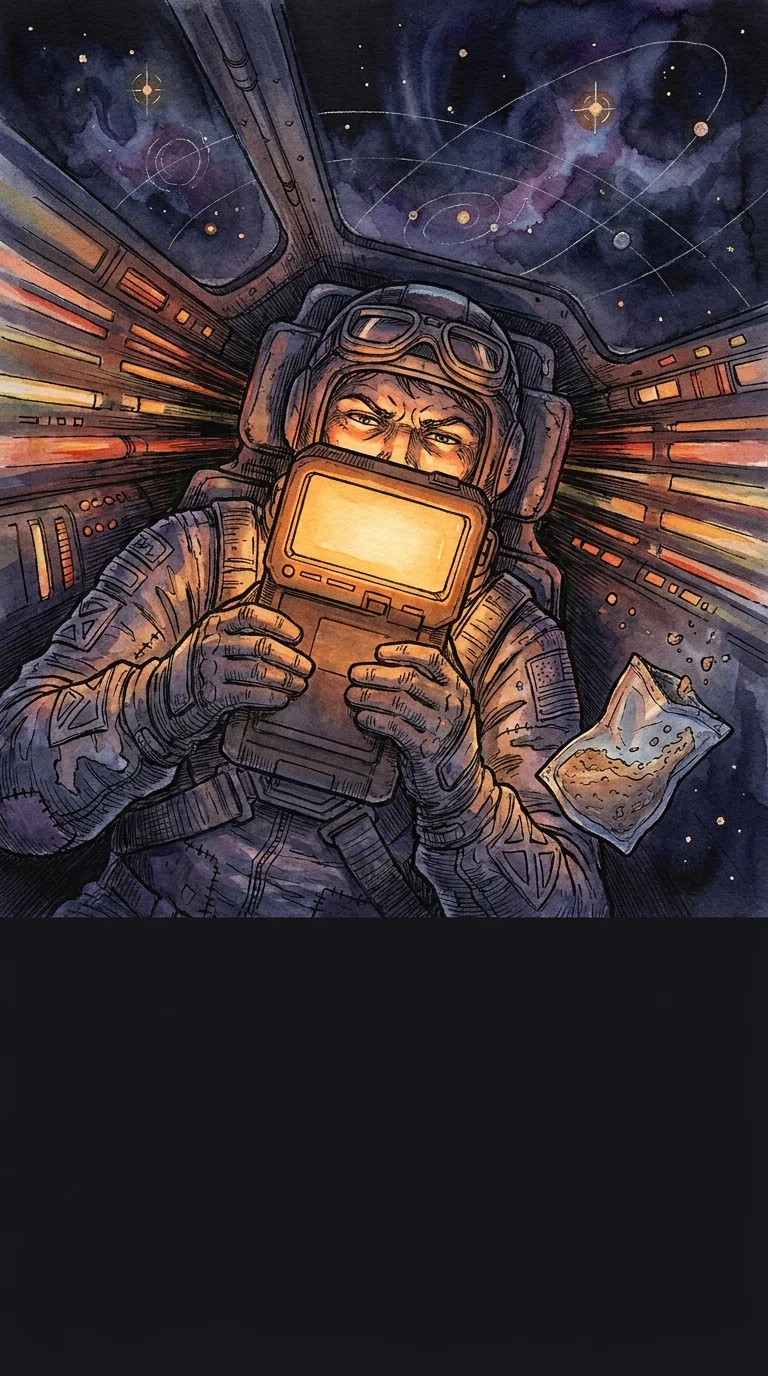
Someone posts something so wrong it makes your vision narrow. Your thumbs are already moving before your brain has even clocked in for the shift.
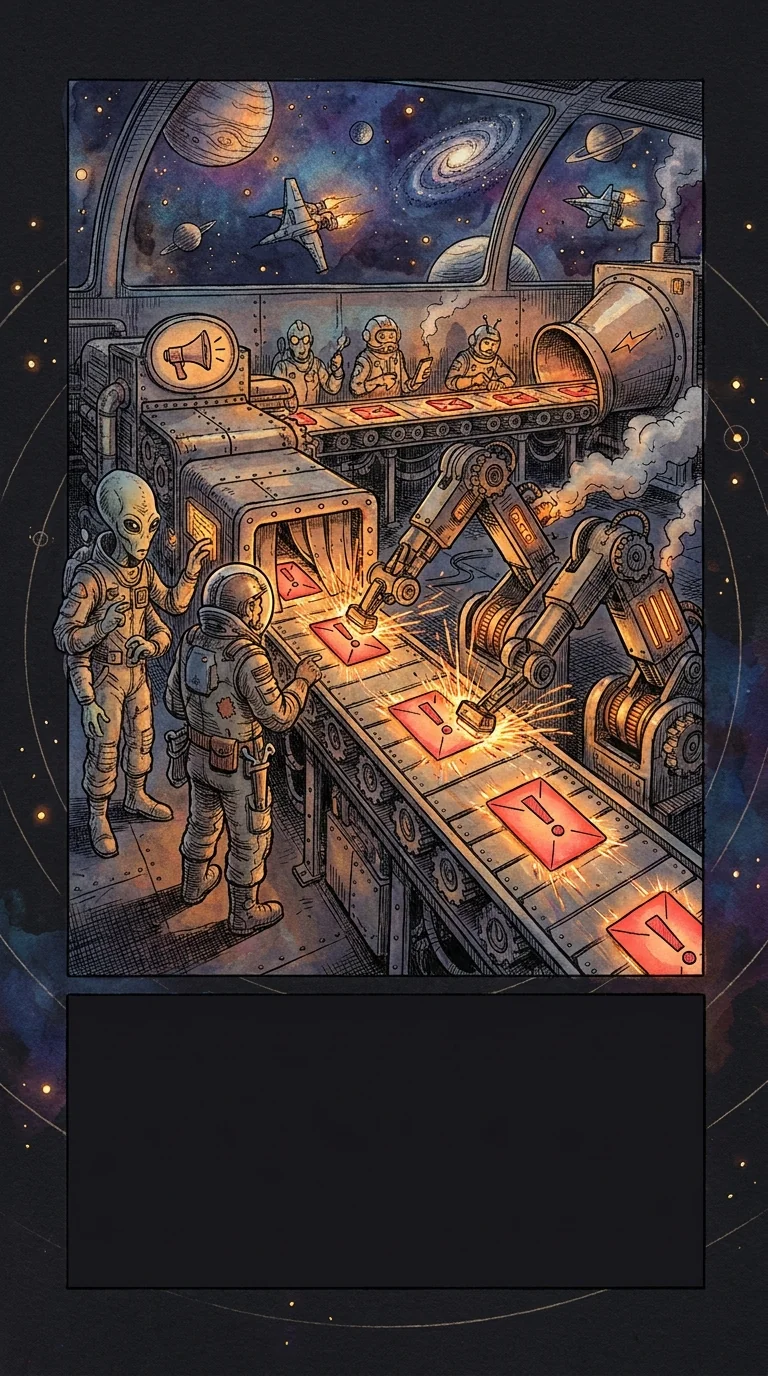
Propagandists build their messages to skip past your thinking entirely — straight to rage, straight to share, straight to recruit. The faster you react, the better their machinery works.
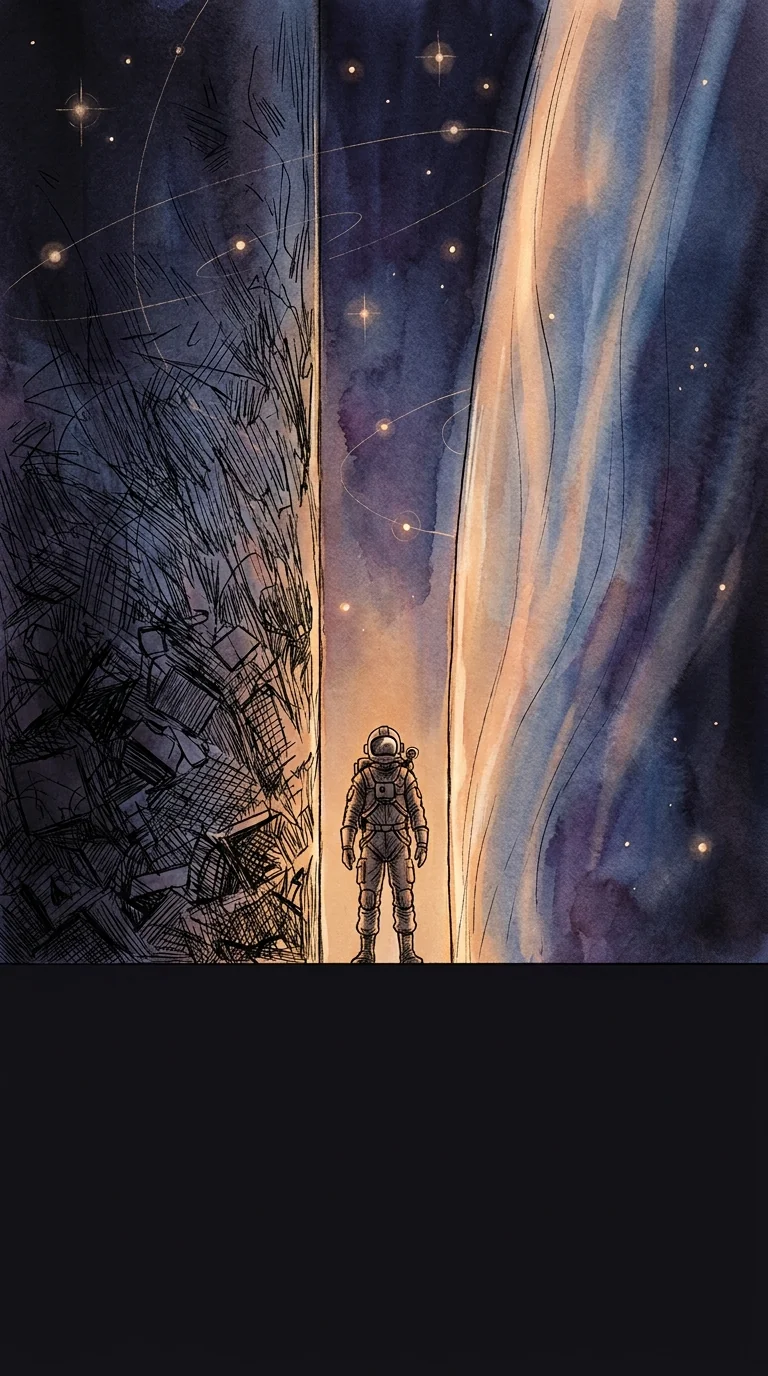
Viktor Frankl, writing from inside a concentration camp, identified something the machinery cannot touch: the pause between what happens to you and what you do next. That gap is where your ability to choose still lives.
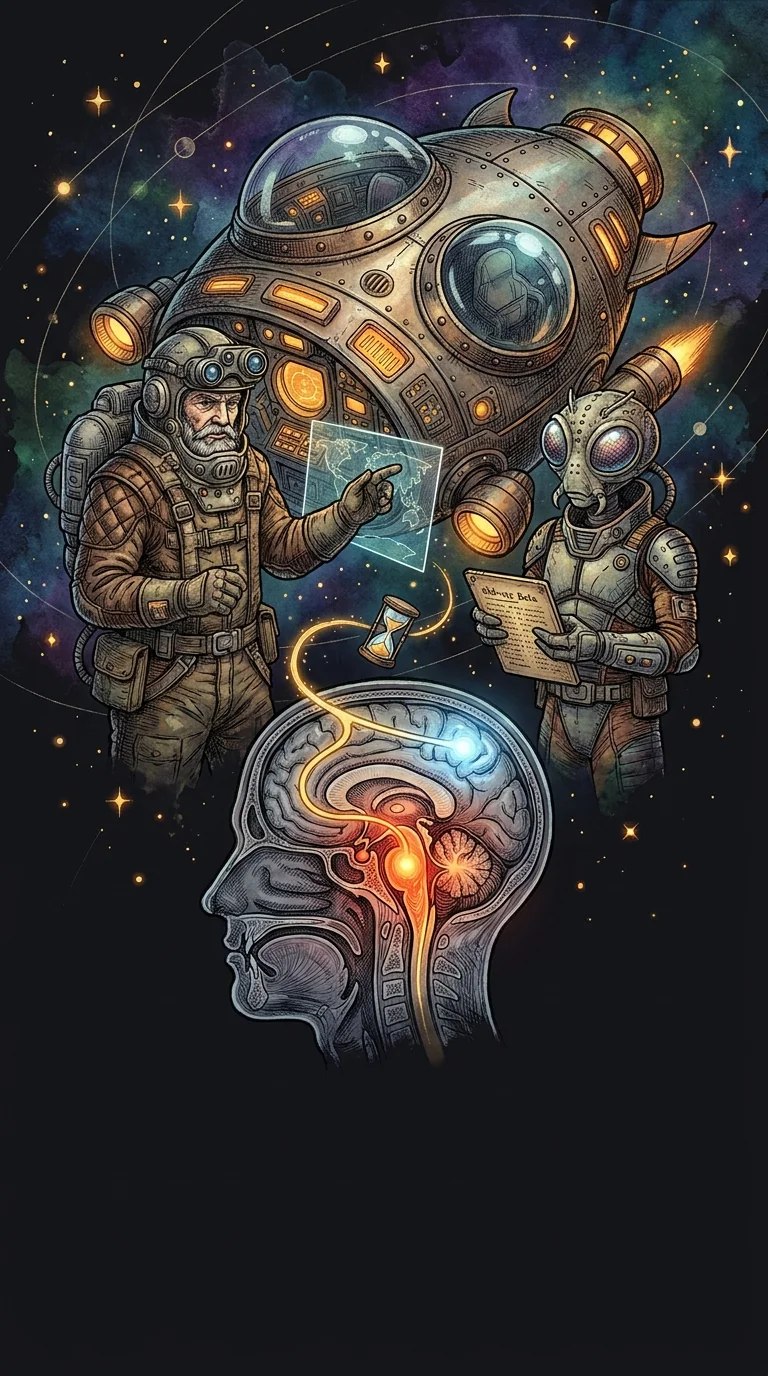
The pause isn't spiritual hand-waving — it's a neurological interrupt. One deliberate breath gives your prefrontal cortex enough time to catch up with your amygdala. Three seconds. That's the gap between being played and making a choice.
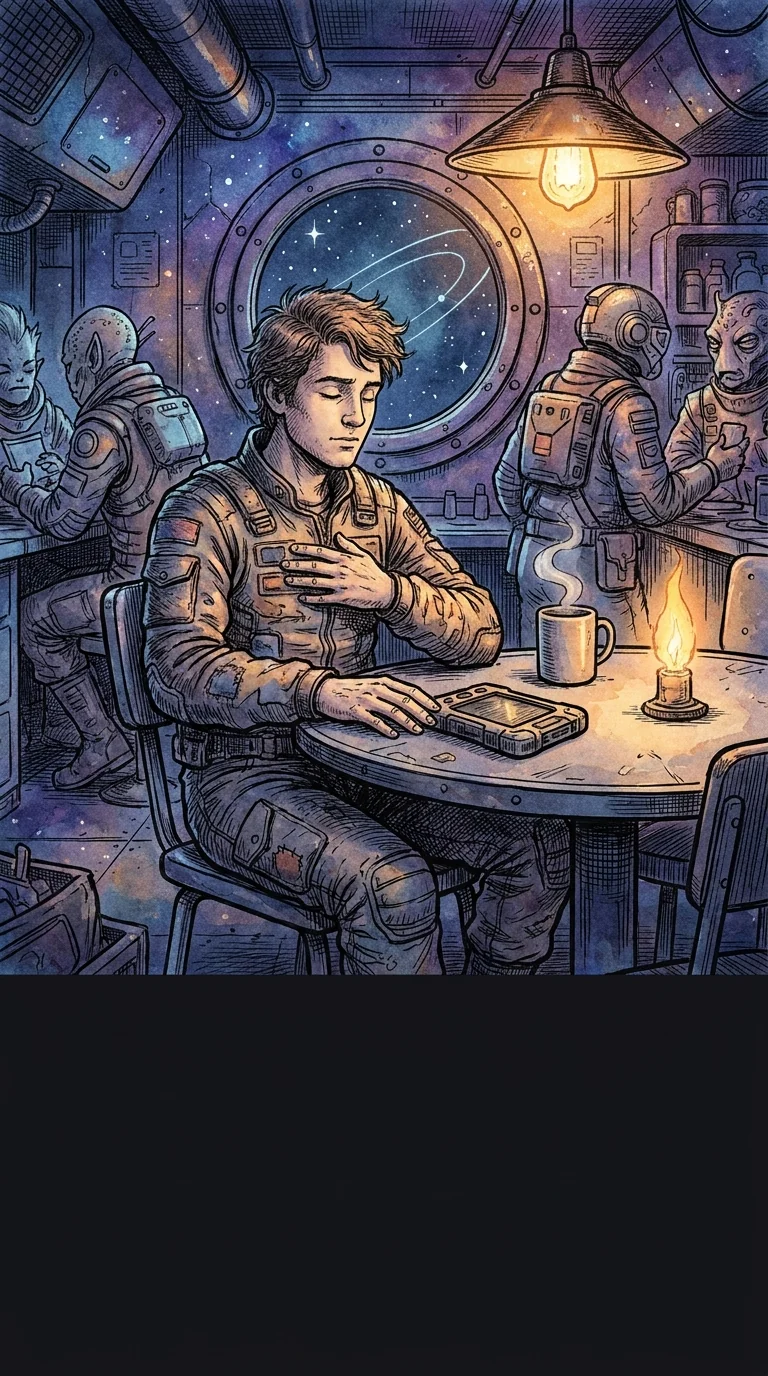
Marcus saw the comment thread — accusations, slurs, a recruitment pitch disguised as righteous anger. His chest tightened. He put the device face-down on the table, took one breath, and asked himself: what do they need me to feel right now? The answer made the whole thread legible.
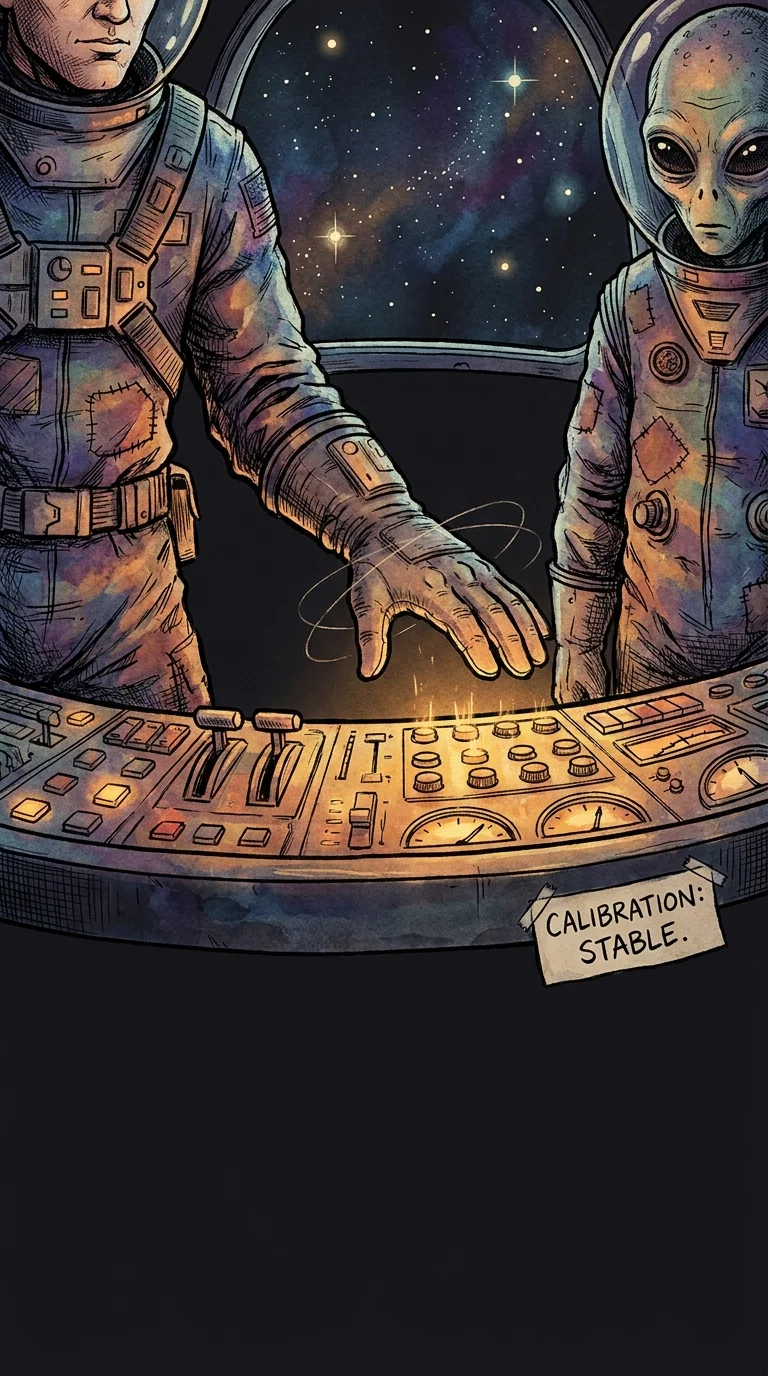
The pause doesn't make you passive — it makes you dangerous to anyone counting on your autopilot. In Part 2, you'll practice a three-second interrupt you can deploy the next time something tries to hijack your thumbs. See you there.
Part 2: The Pause That Protects — Practice
+10 XP on completion
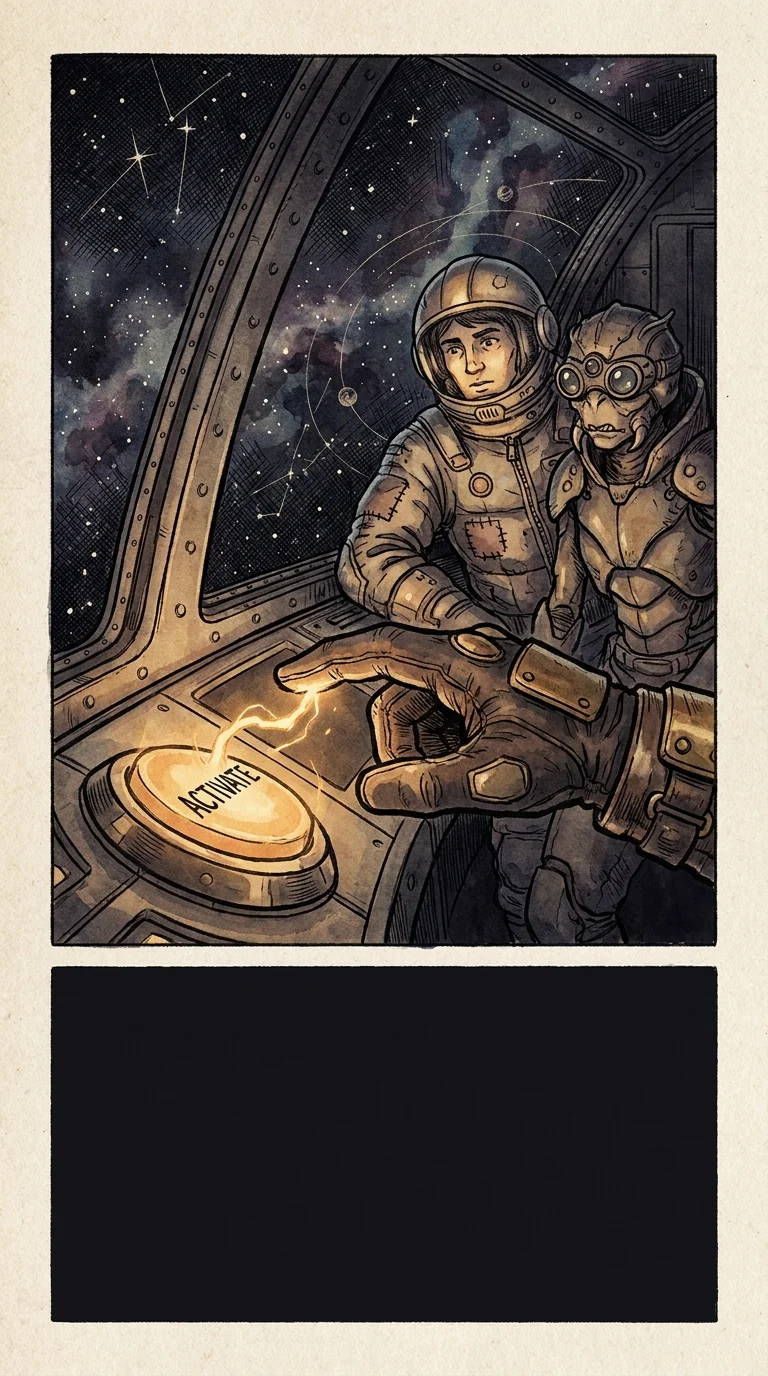
Between a trigger and your reaction, there's a gap — tiny, silent, and almost always skipped. Today you're going to stop skipping it.
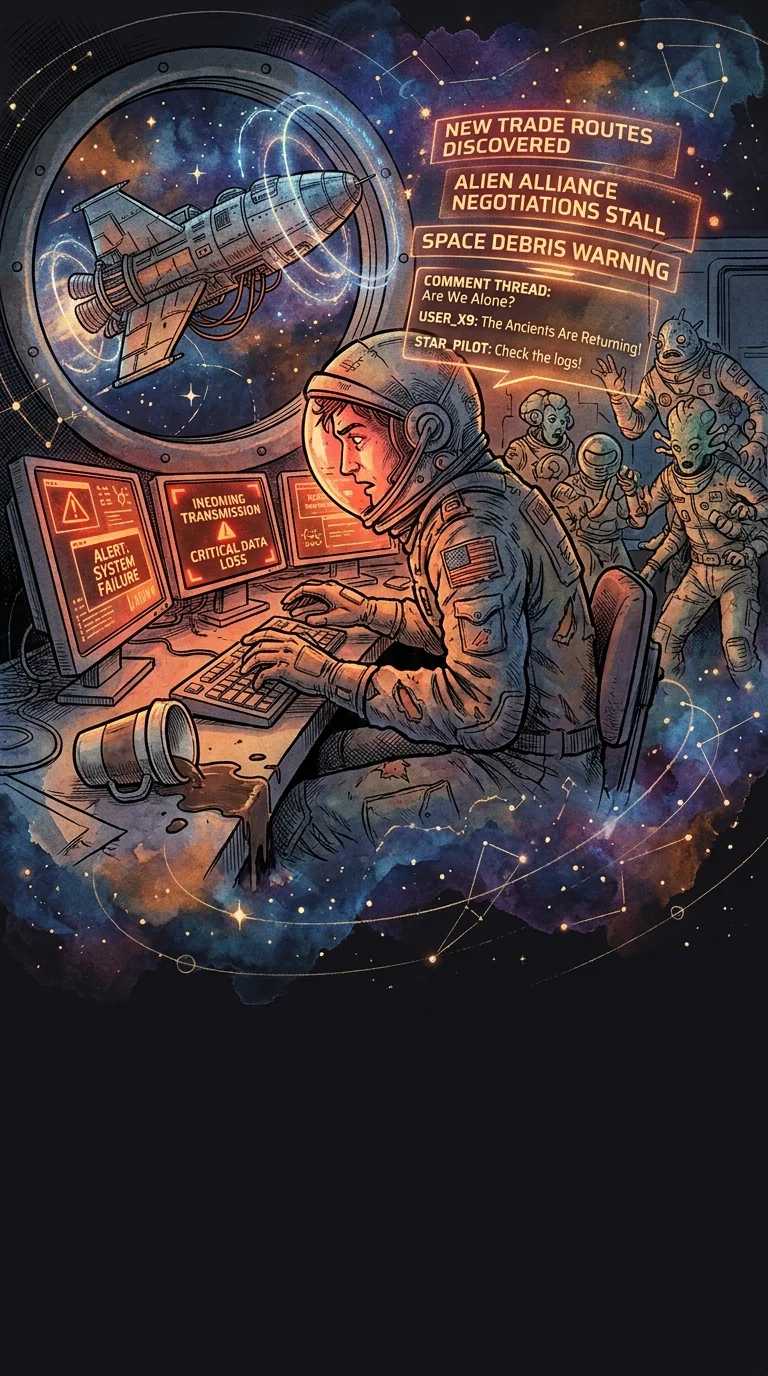
Your brain's default setting is fire-then-aim. A headline enrages you, and before you've finished reading the second sentence you're already drafting a reply with your blood pressure doing the typing.
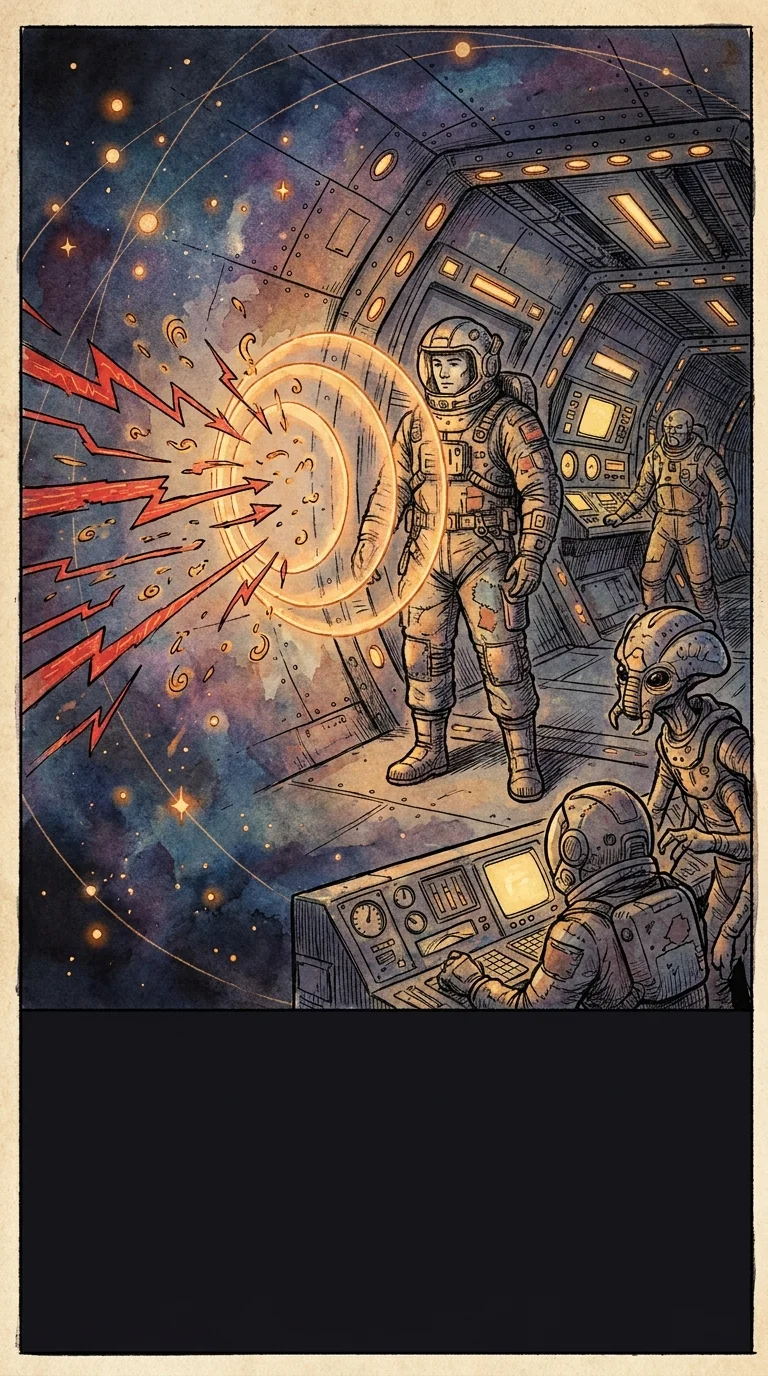
The technique is called the Three-Breath Firewall. It doesn't suppress your reaction — it just makes sure you're the one choosing it instead of your amygdala freelancing.
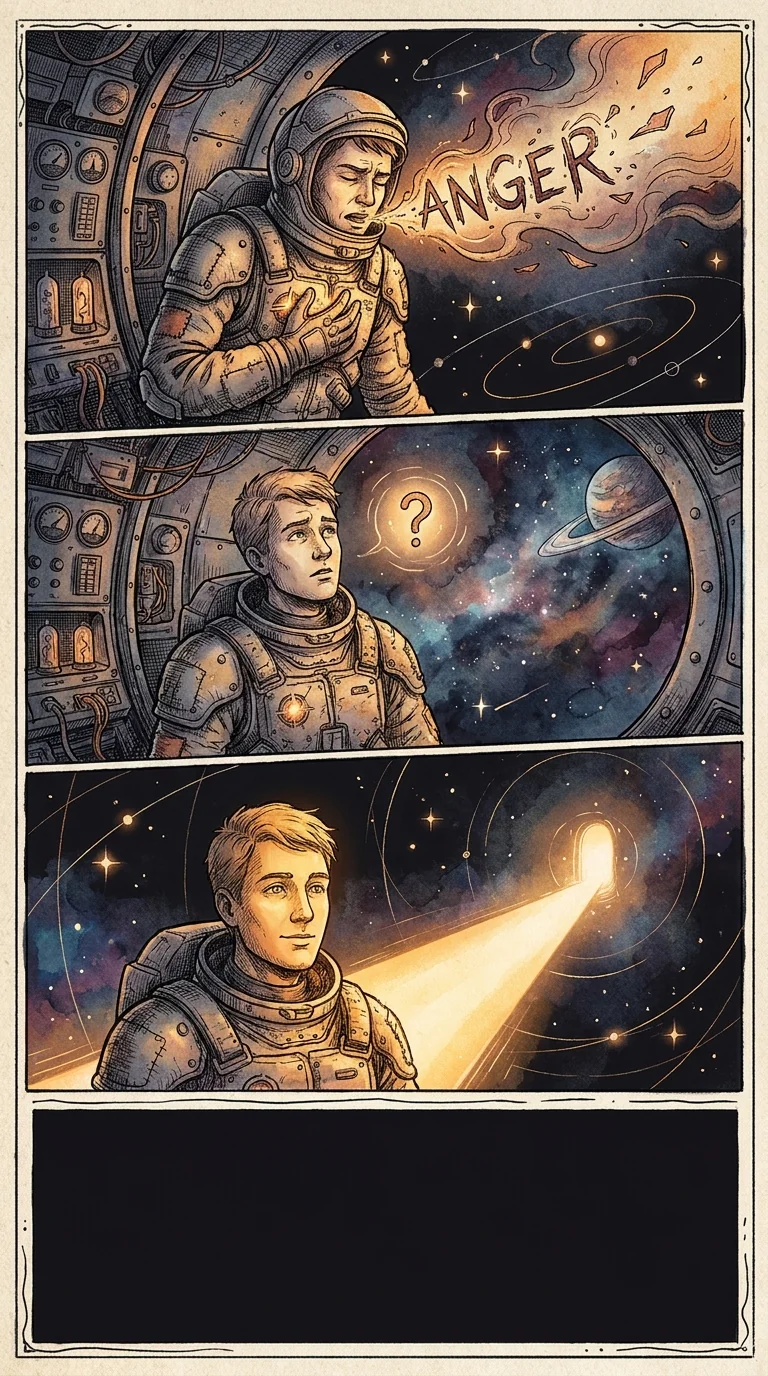
When you feel the surge — outrage, fear, the itch to share — stop. Breath one: name the emotion out loud ("I'm angry"). Breath two: ask "What does this want me to do right now?" Breath three: ask "Is that what I actually choose?" Then — and only then — act.
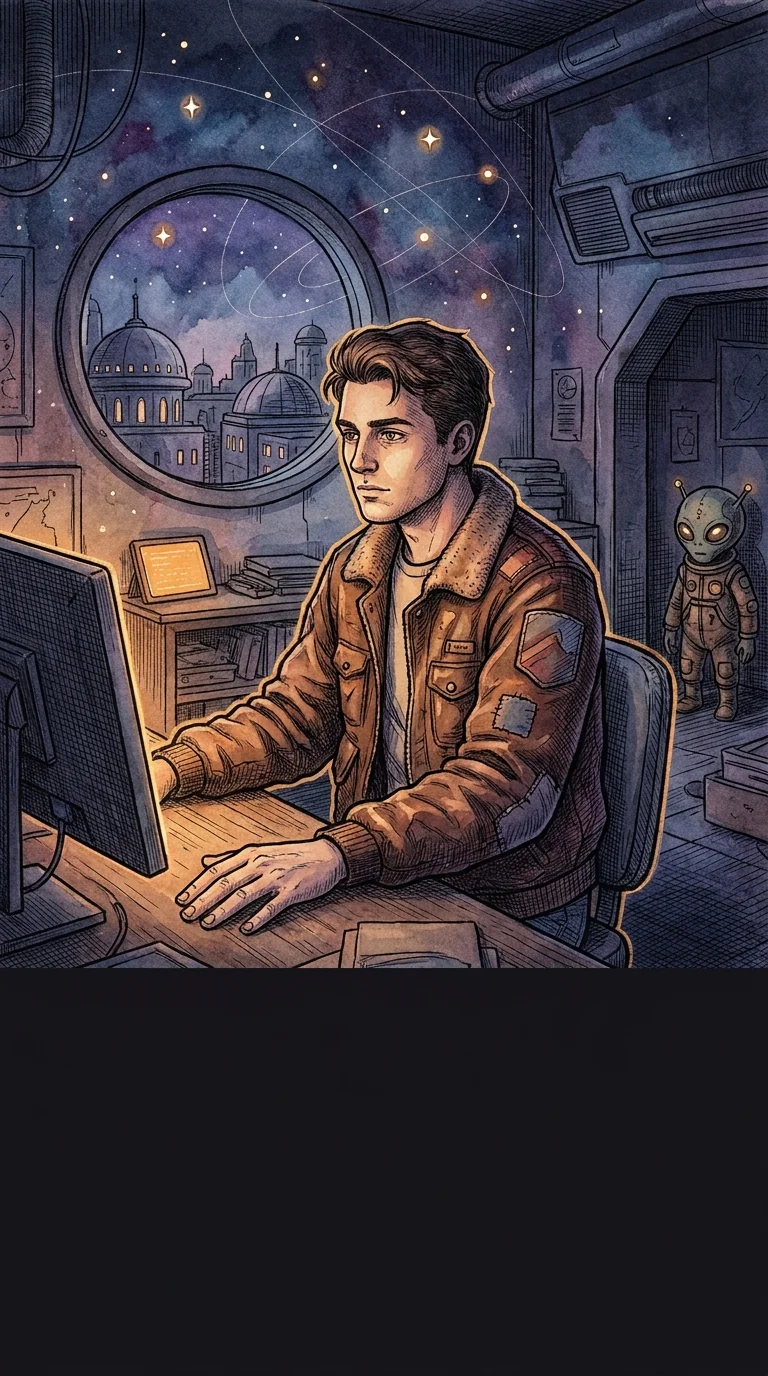
Marcus saw a post claiming his old neighborhood was "overrun." The fury hit instantly. But he paused — named it, questioned it, and realized the post was designed to make him share before thinking. He closed the tab. The outrage evaporated in about ninety seconds.
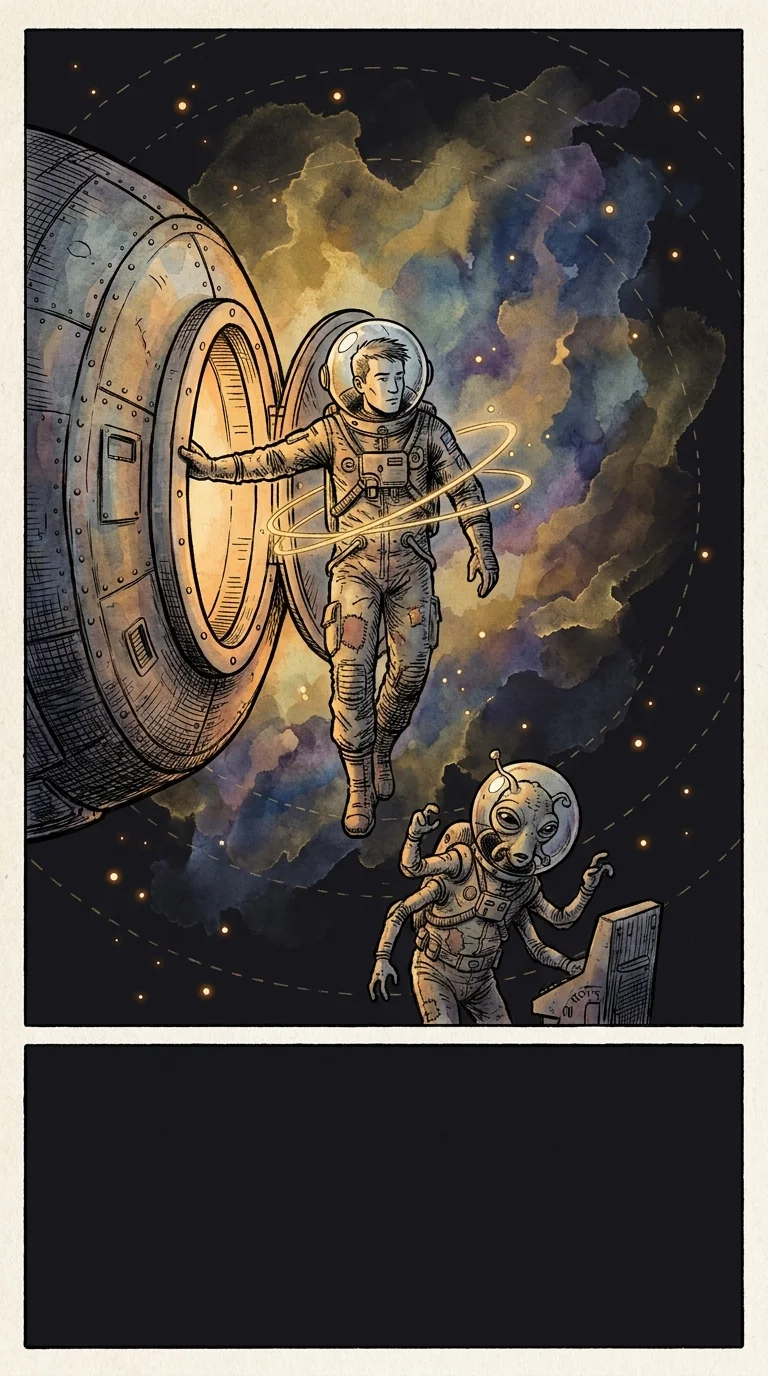
Three breaths. That's all the space you need to take your reactions back from anyone who'd hijack them. Practice it once today — even on something small — and you'll feel the difference by tonight.