False Dichotomies
"You're either with us or you're against us." You've heard it a hundred times. Ever notice how it always comes from someone who needs you to stop thinking?
Part 1: False Dichotomies — Concept
+5 XP on completion
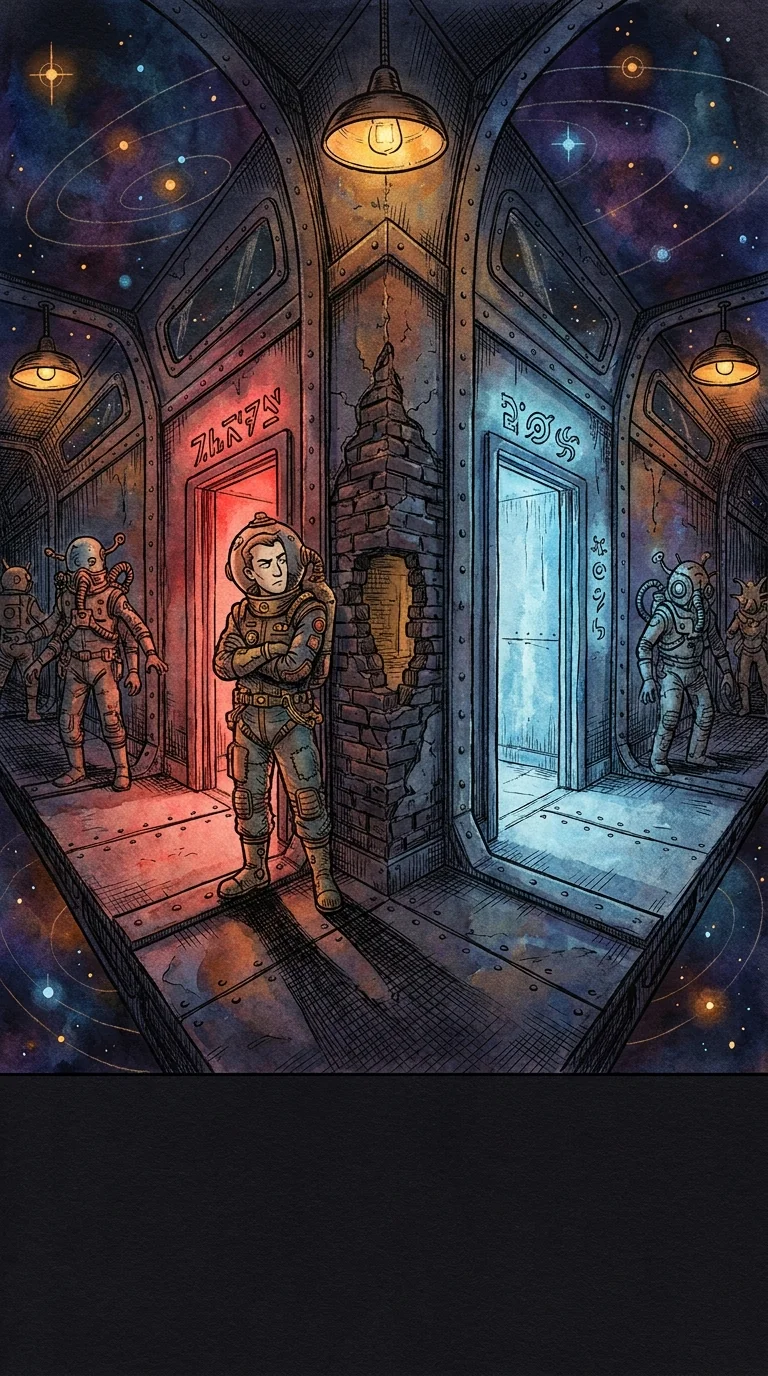
"You're either with us or you're against us." You've heard it a hundred times. Ever notice how it always comes from someone who needs you to stop thinking?
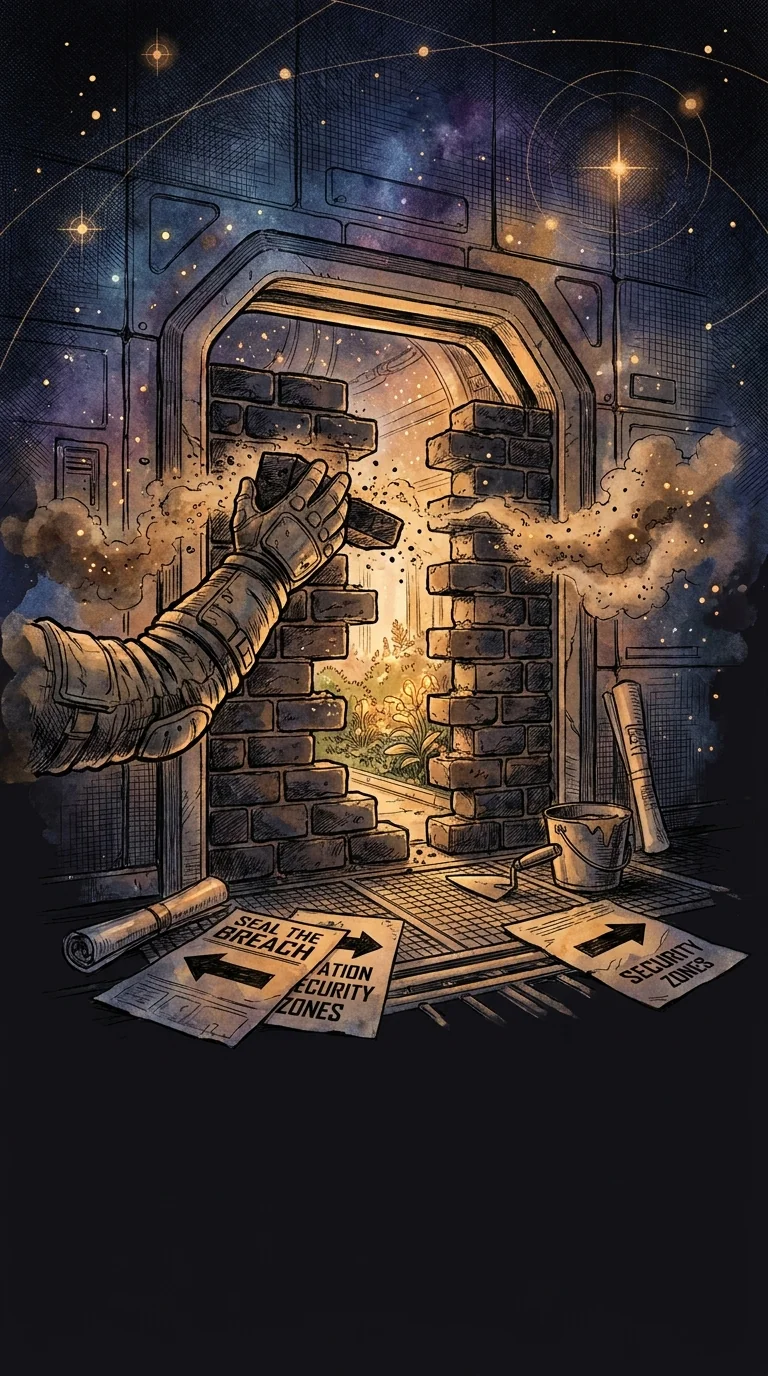
Your brain already loves binary choices — yes/no, safe/dangerous, friend/enemy. Propagandists don't invent that shortcut. They just brick up every door except the two they want you to see.
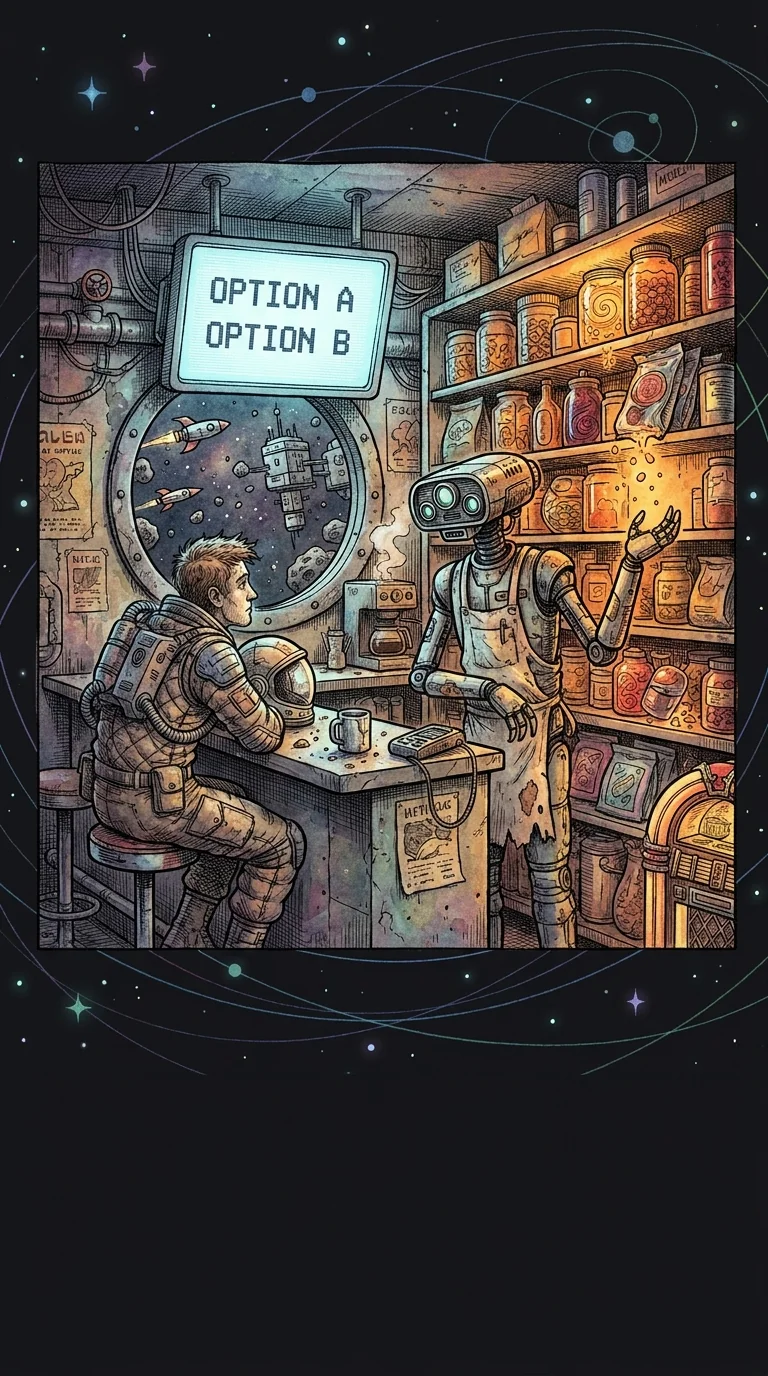
The false dichotomy doesn't work because it's clever. It works because nuance costs effort, and a two-option menu feels like clarity. That feeling is the trap.
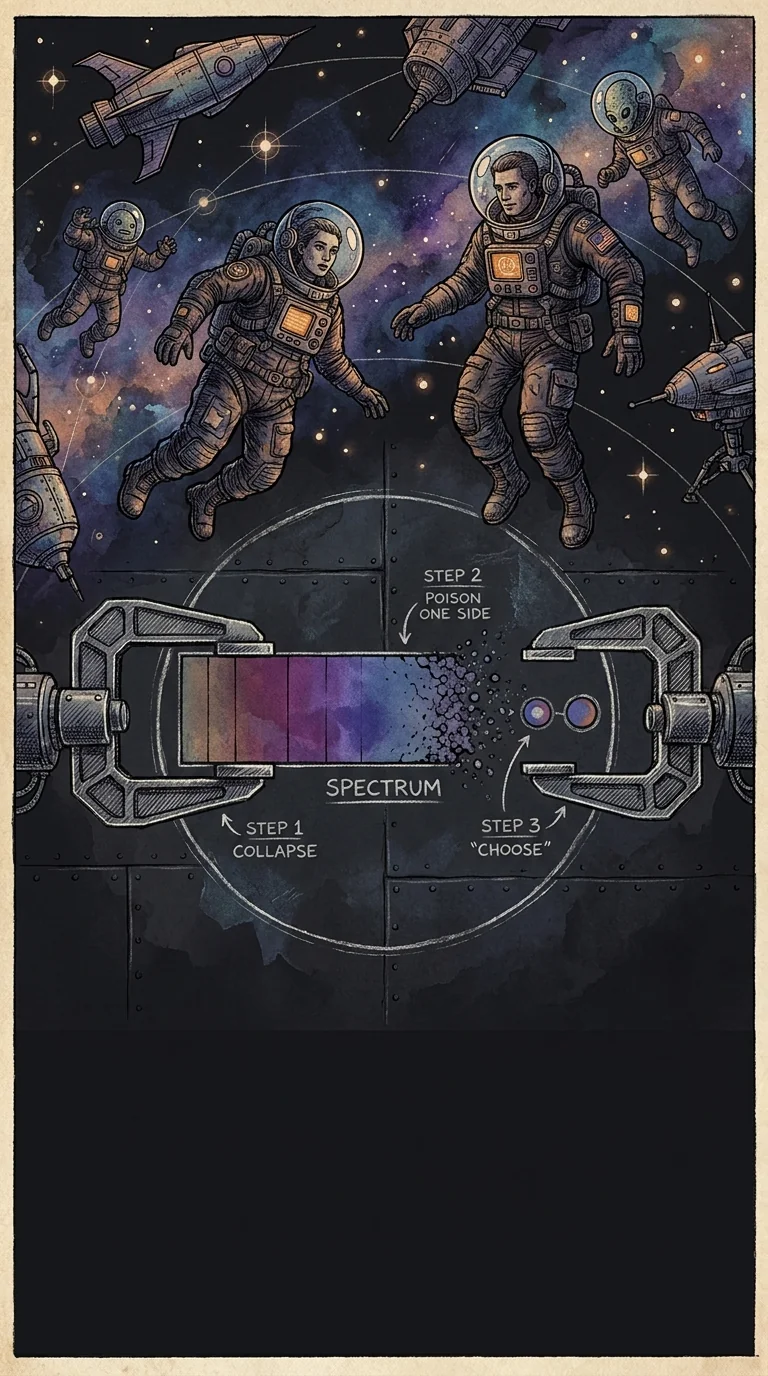
Here's how the machinery runs: first, collapse a complex situation into two poles. Then, make one pole obviously terrible. Now the audience "chooses" the remaining option — and feels smart doing it. The whole middle ground just vanished, and nobody mourned it.

Marcus found a forum after he lost his job. The posts were clear: you either stand with us and fight back, or you're part of the machine that crushed you. For three weeks, that框架 felt like the first honest thing anyone had said to him. It wasn't honest. It was just simple — and he was exhausted enough to mistake one for the other.

The false dichotomy survives because exhaustion makes two options feel like a gift. The antidote is a reflex — a small, trainable habit of asking what got left out. In Part 2, you'll practice spotting the missing middle in real-world claims. See you there.
Part 2: False Dichotomies — Practice
+10 XP on completion
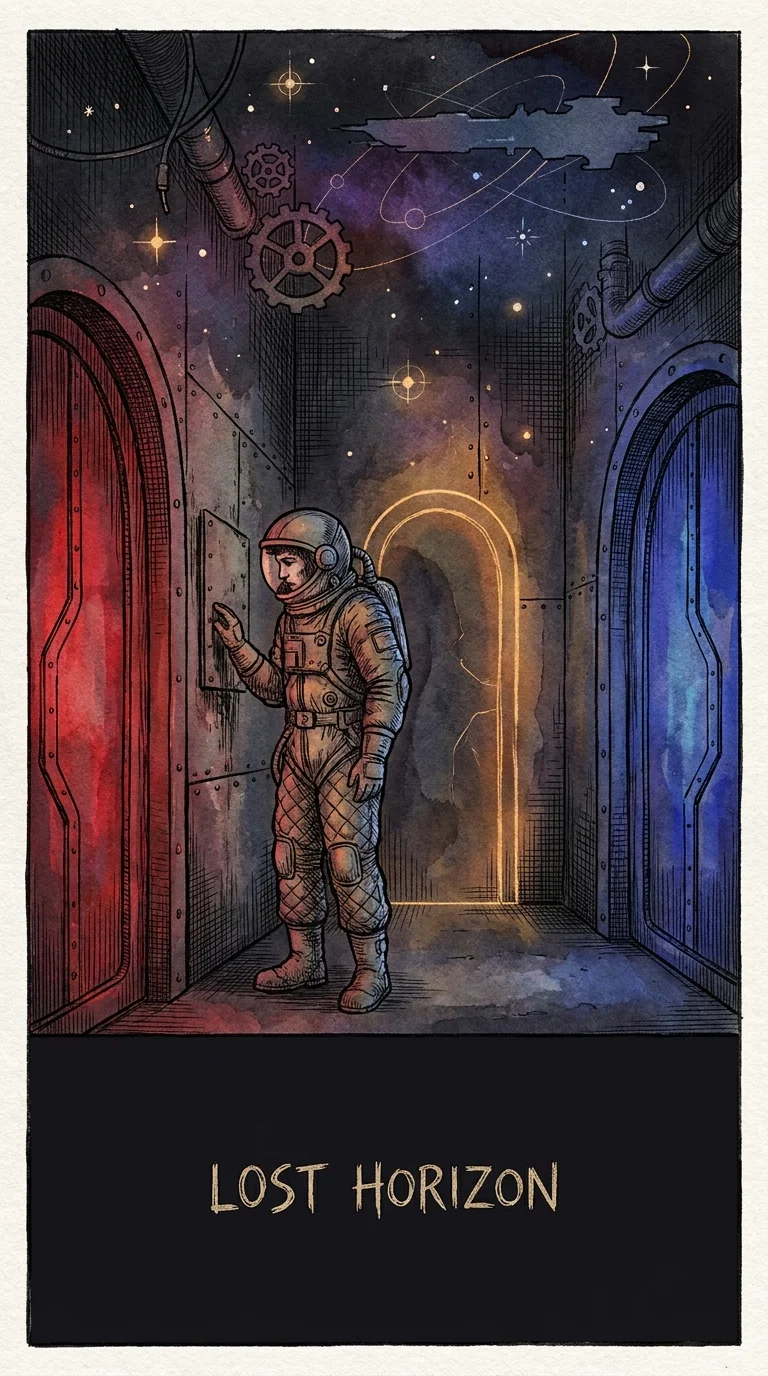
Every false dichotomy has the same architecture: two doors, both rigged, and a wall where the hallway used to be. Your job today is to find the hallway.
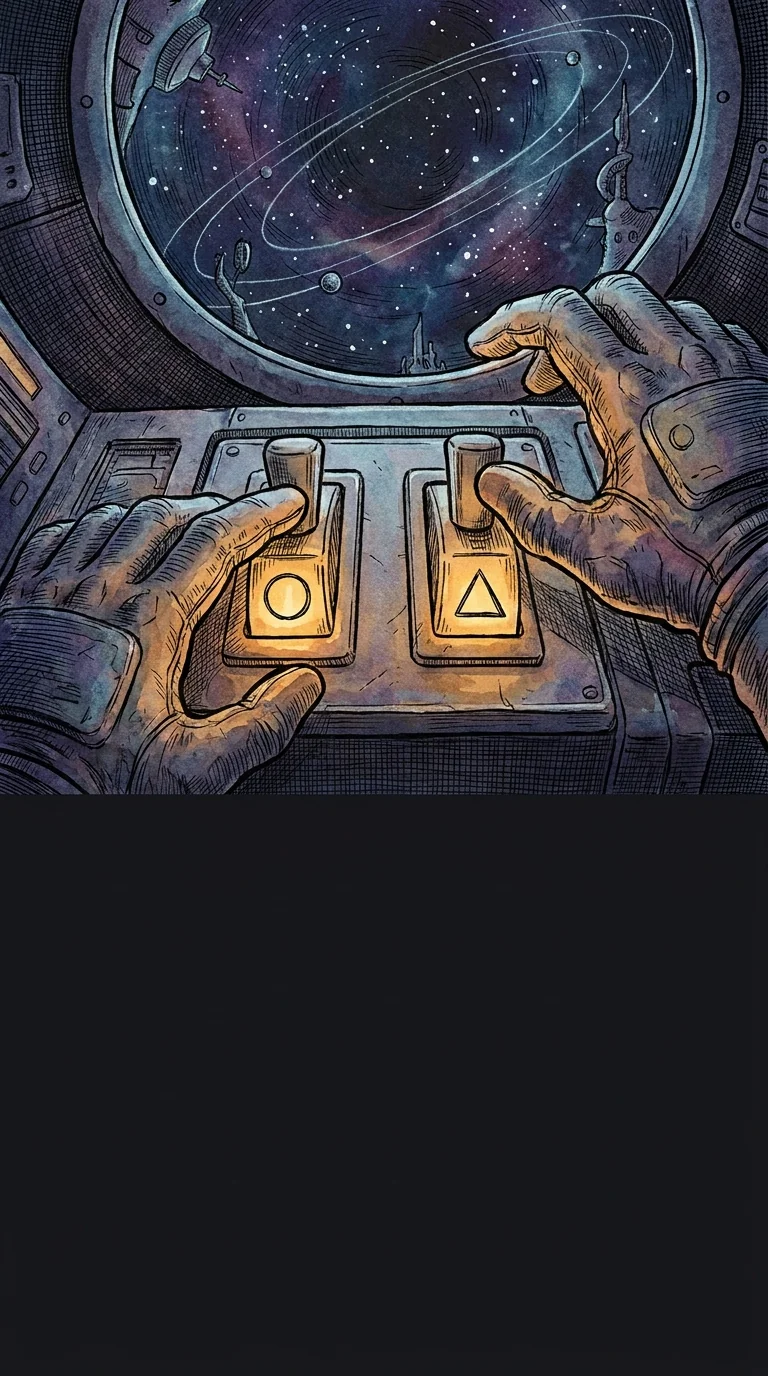
When someone frames a choice as only-two-options, your brain loves it — sorting is fast, nuance is slow, and slow feels dangerous. That's exactly the reflex propagandists are counting on.
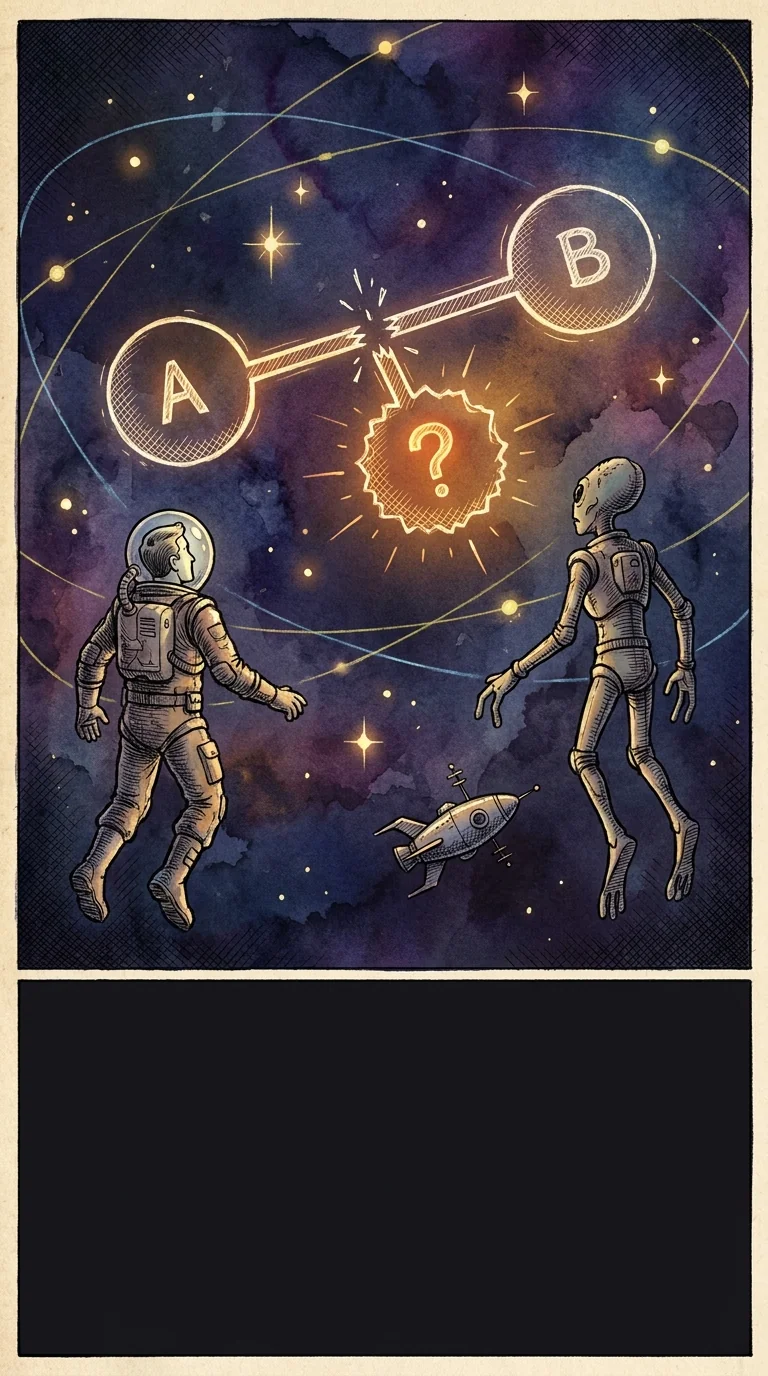
The technique is called the Third-Option Reflex. When you hear 'either/or,' you pause and ask one question: What got left out? That pause is the whole move.
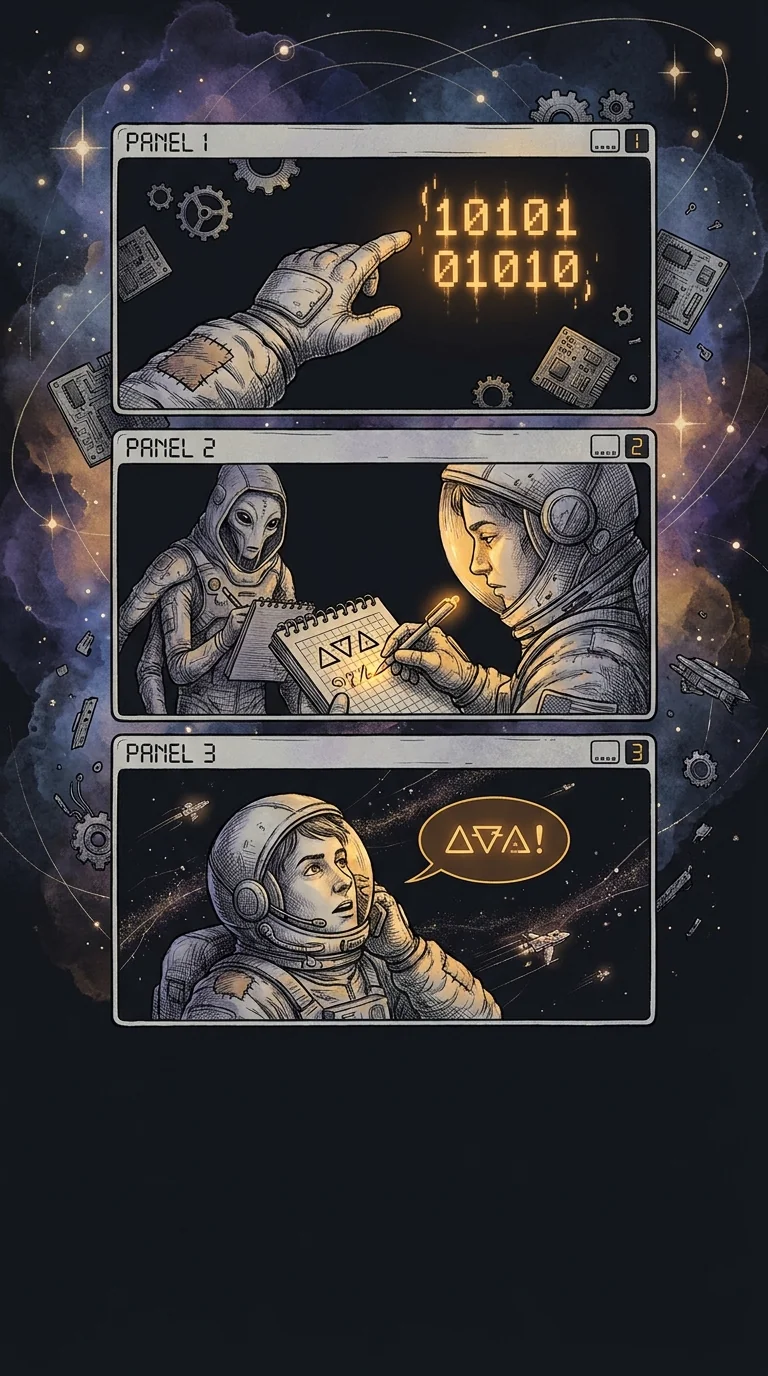
Here's how it works. Step one: spot the frame — 'you're either X or Y.' Step two: name what's missing — a middle position, a different axis, a both, a neither. Step three: say it out loud, even just to yourself. Naming the excluded option breaks the spell before it sets.
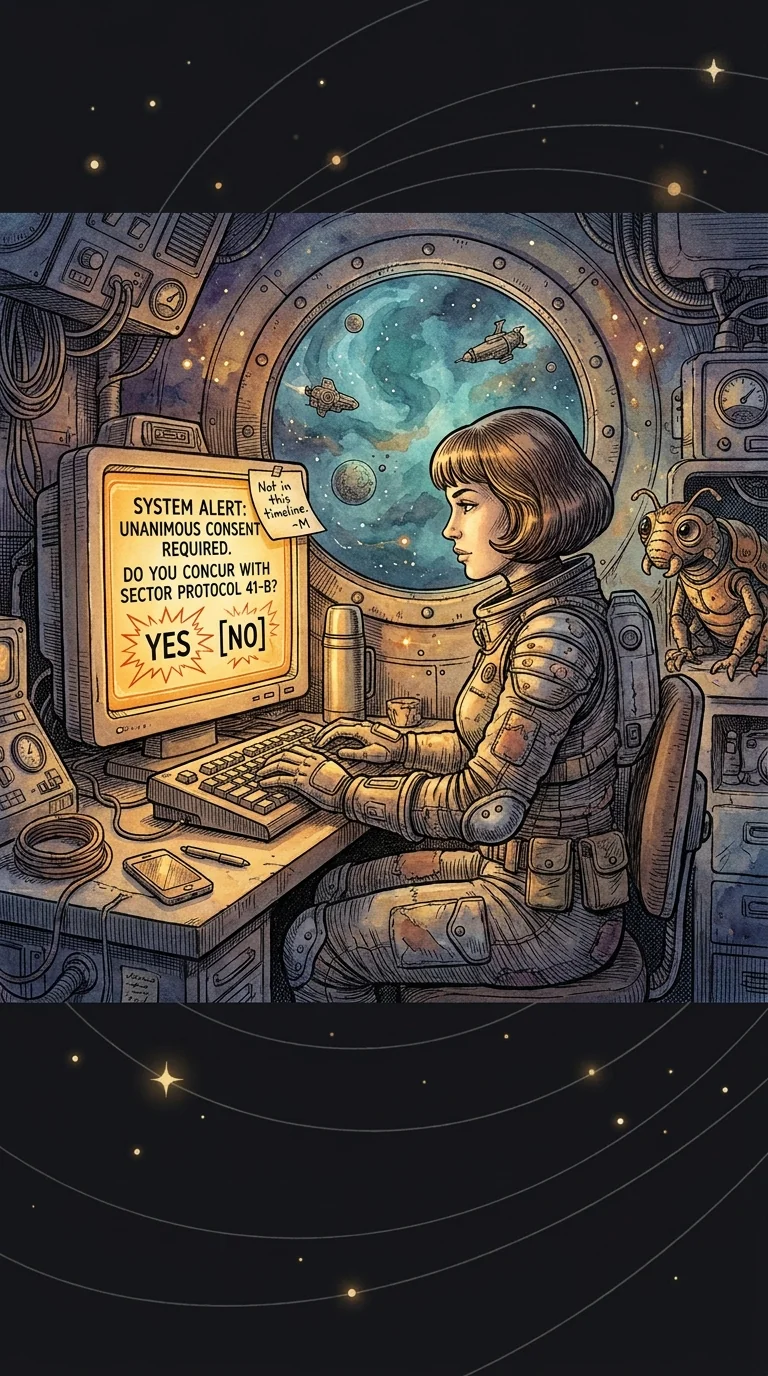
Maria's coworker posted: 'You either support the new policy or you don't care about safety.' Maria paused. What got left out? She typed: 'I care about safety and I have questions about implementation. Both things are true.' The thread changed after that.

You don't need to win the argument. You just need to notice the missing door — and open it. Every time you do, the frame loses a little more of its grip. That skill compounds.