The Fear Amplifier
You're scrolling at midnight and a headline hits: a threat you hadn't considered, a danger that feels immediate, a clock that's already ticking. Your pulse answers before your brain even clocks in for the shift.
Part 1: The Fear Amplifier — Concept
+5 XP on completion
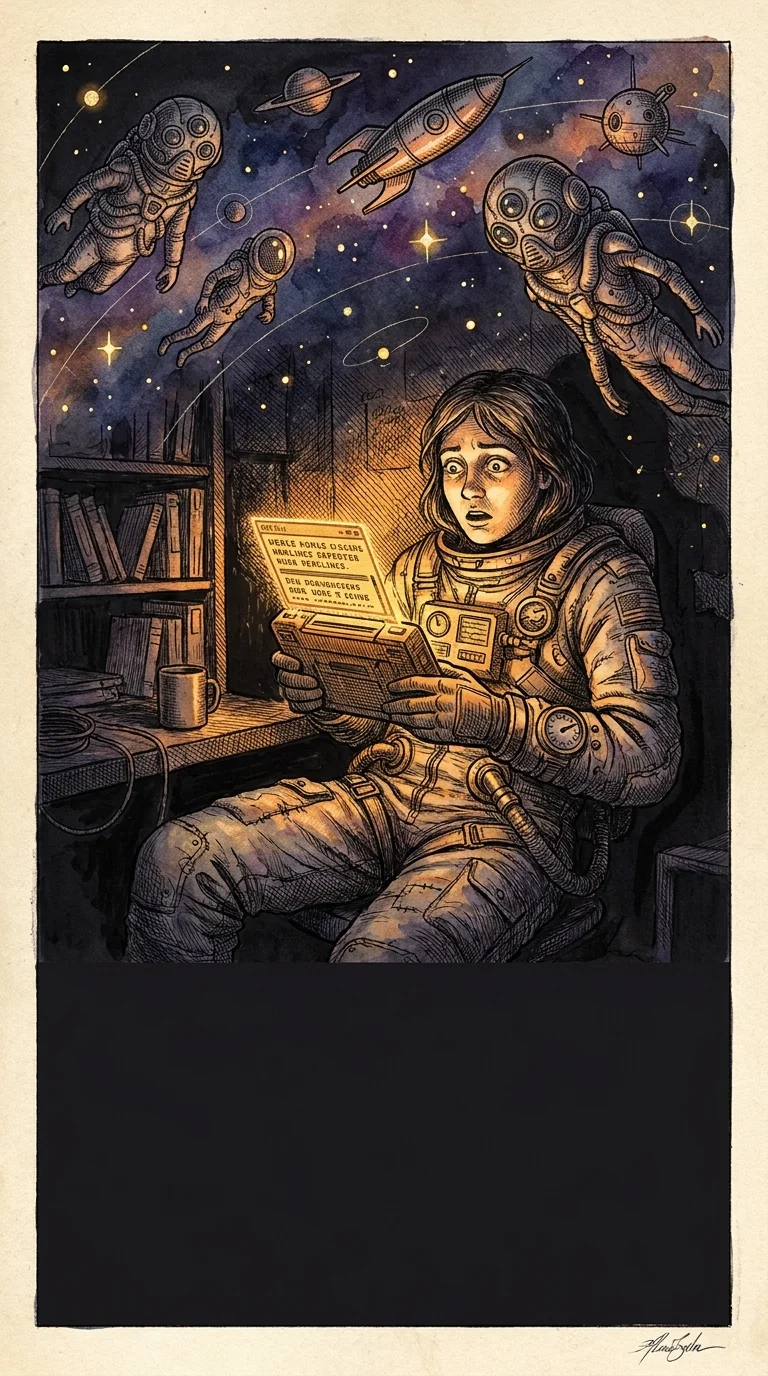
You're scrolling at midnight and a headline hits: a threat you hadn't considered, a danger that feels immediate, a clock that's already ticking. Your pulse answers before your brain even clocks in for the shift.
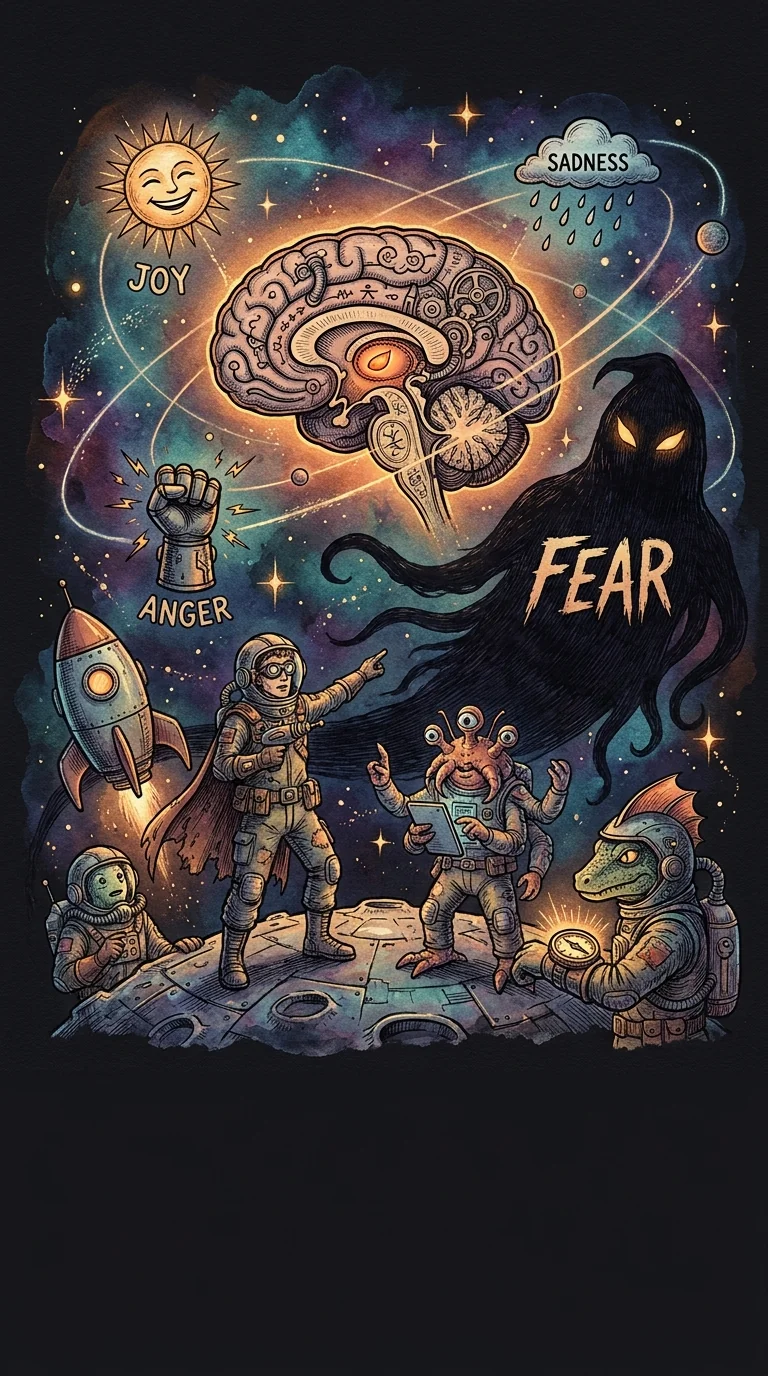
Joy needs context. Sadness needs a story. Anger needs a target. But fear? Fear just needs a shadow — and your nervous system handles the rest, no evidence required.
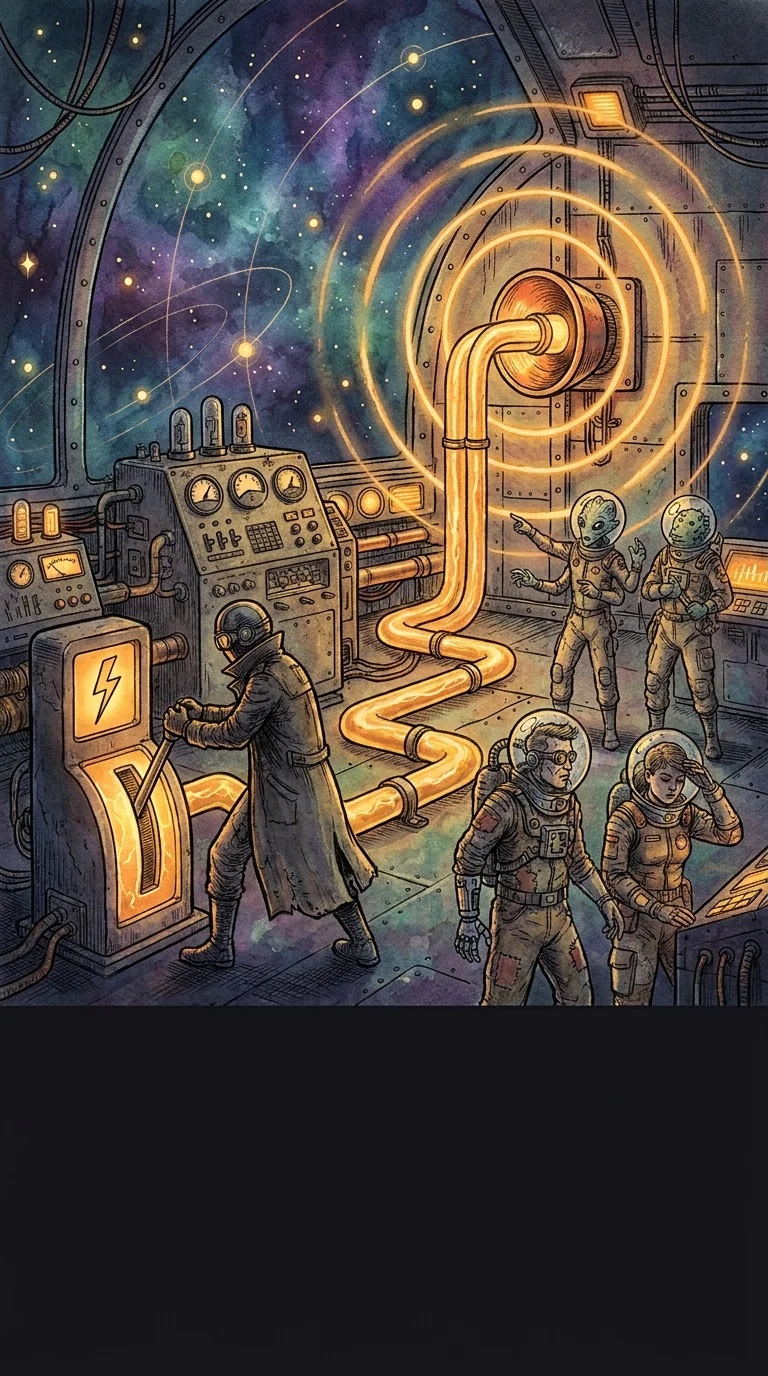
Propagandists figured this out centuries ago. Fear is the cheapest fuel in the manipulation engine — it skips your prefrontal cortex entirely and lands straight in the part of your brain that screams "act now, think never."
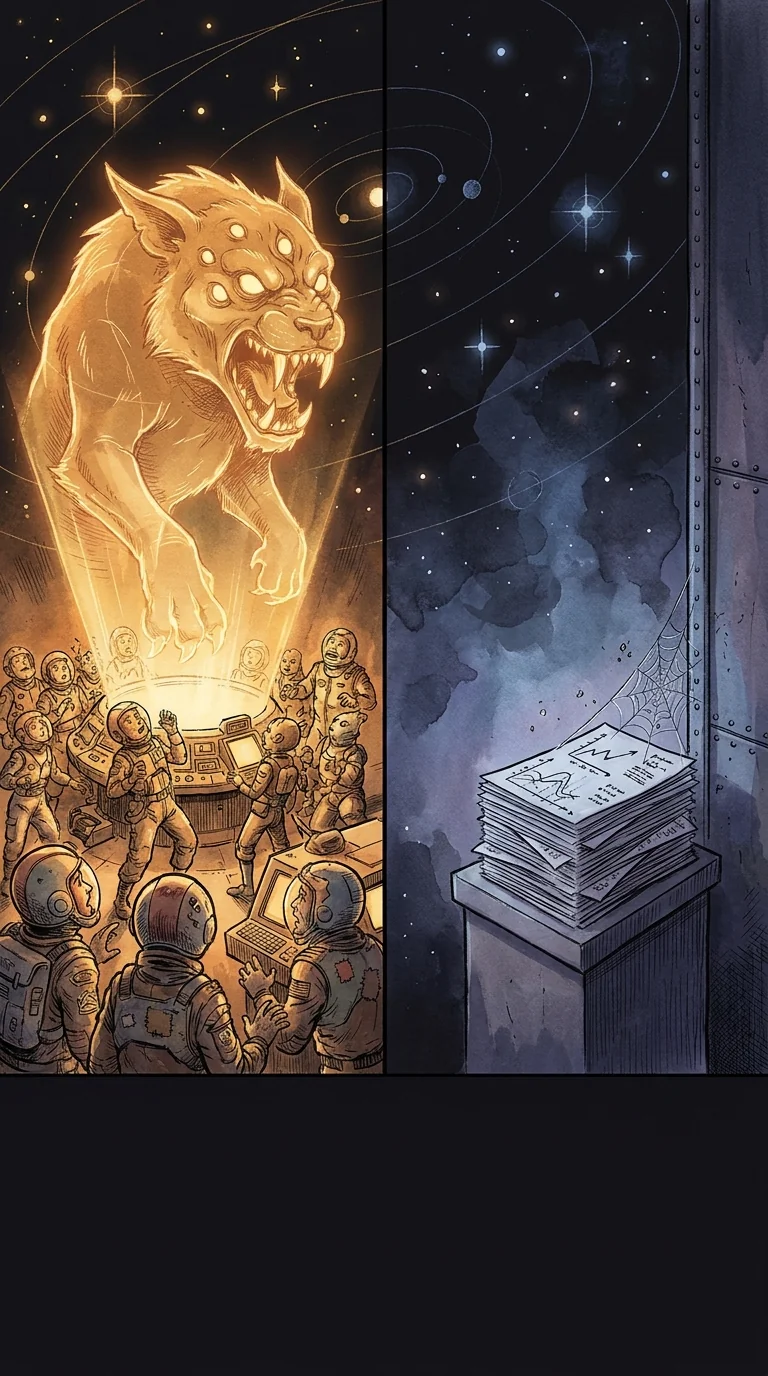
Here's the mechanism: a fear message doesn't need to be true — it needs to be vivid. One specific image of danger outperforms a hundred statistics about safety every single time. Your brain treats vividness as evidence. Convenient, isn't it.
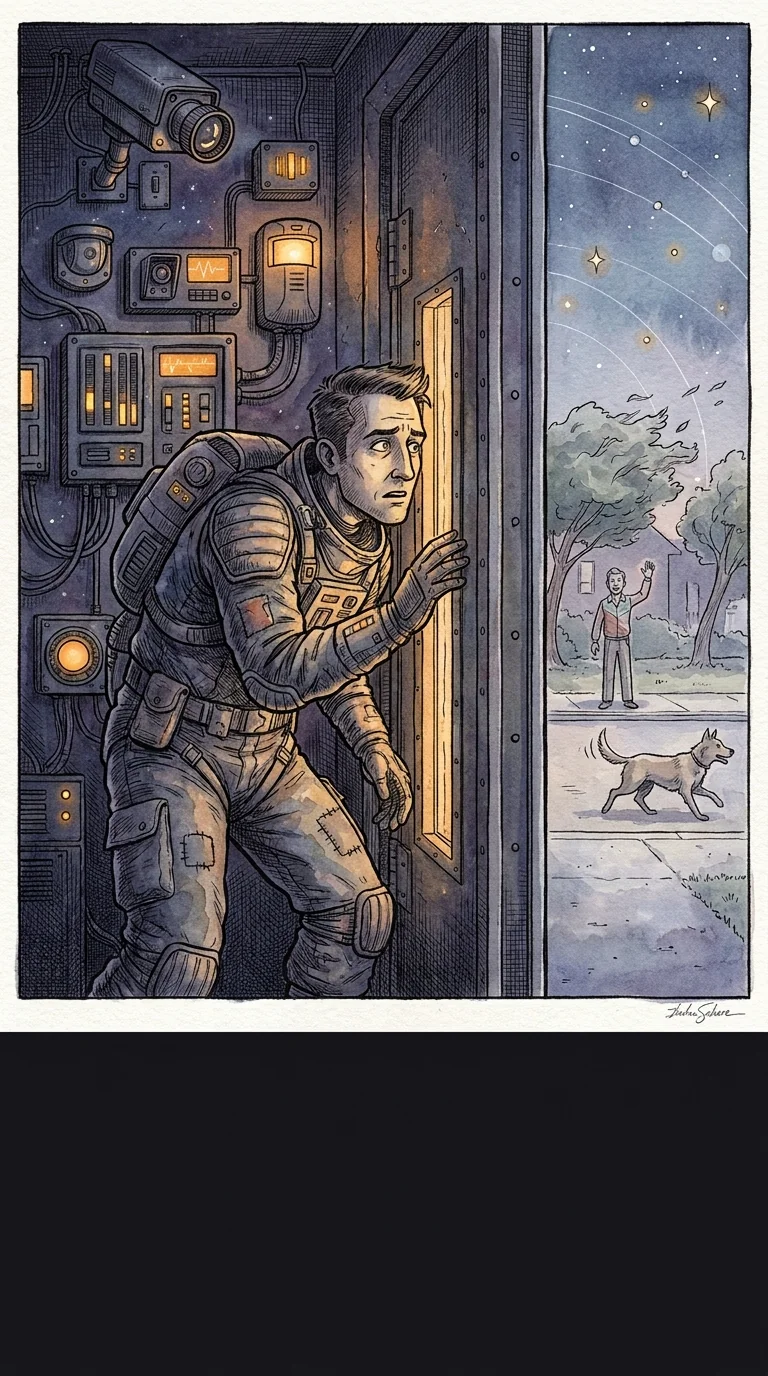
Marcus noticed it on a Tuesday. A forum post warned his neighborhood was "under siege" — no data, no source, just a story about one incident told in knife-sharp detail. By Thursday he'd bought a security system, changed his route to work, and stopped walking the dog after dark. One vivid story rewired a week of his life.

Fear isn't a flaw — it kept your ancestors alive. The flaw is that propagandists know exactly how to hijack it. In Part 2, you'll practice the Vividness Check — a quick test to separate real threats from manufactured ones. See you there.
Part 2: The Fear Amplifier — Practice
+10 XP on completion

Fear doesn't need evidence — it just needs a heartbeat and a headline. So the question isn't whether you'll feel it; it's what you do in the three seconds after it lands.
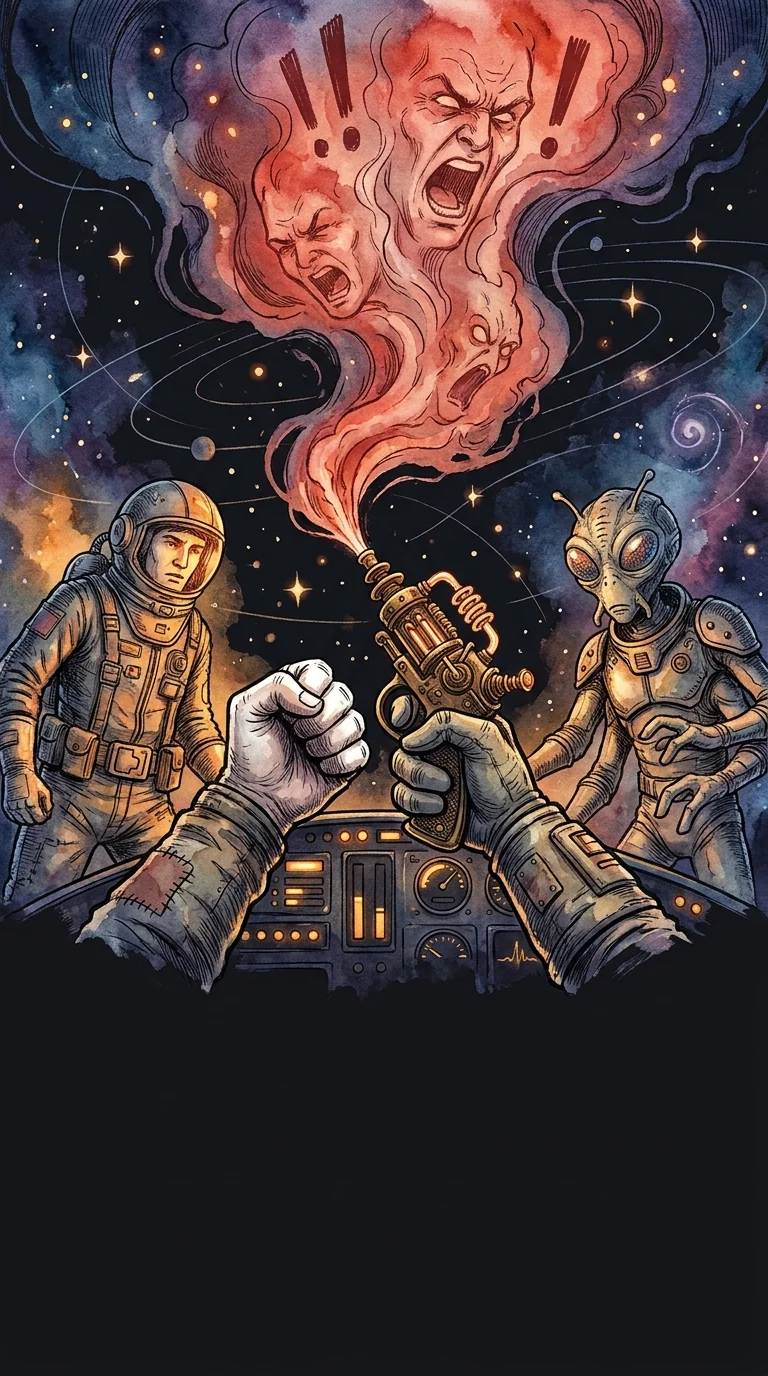
When a fear-loaded message hits, your default move is to share it, argue about it, or stew in it — all within seconds. Every one of those reactions is exactly what the amplifier was built to trigger.
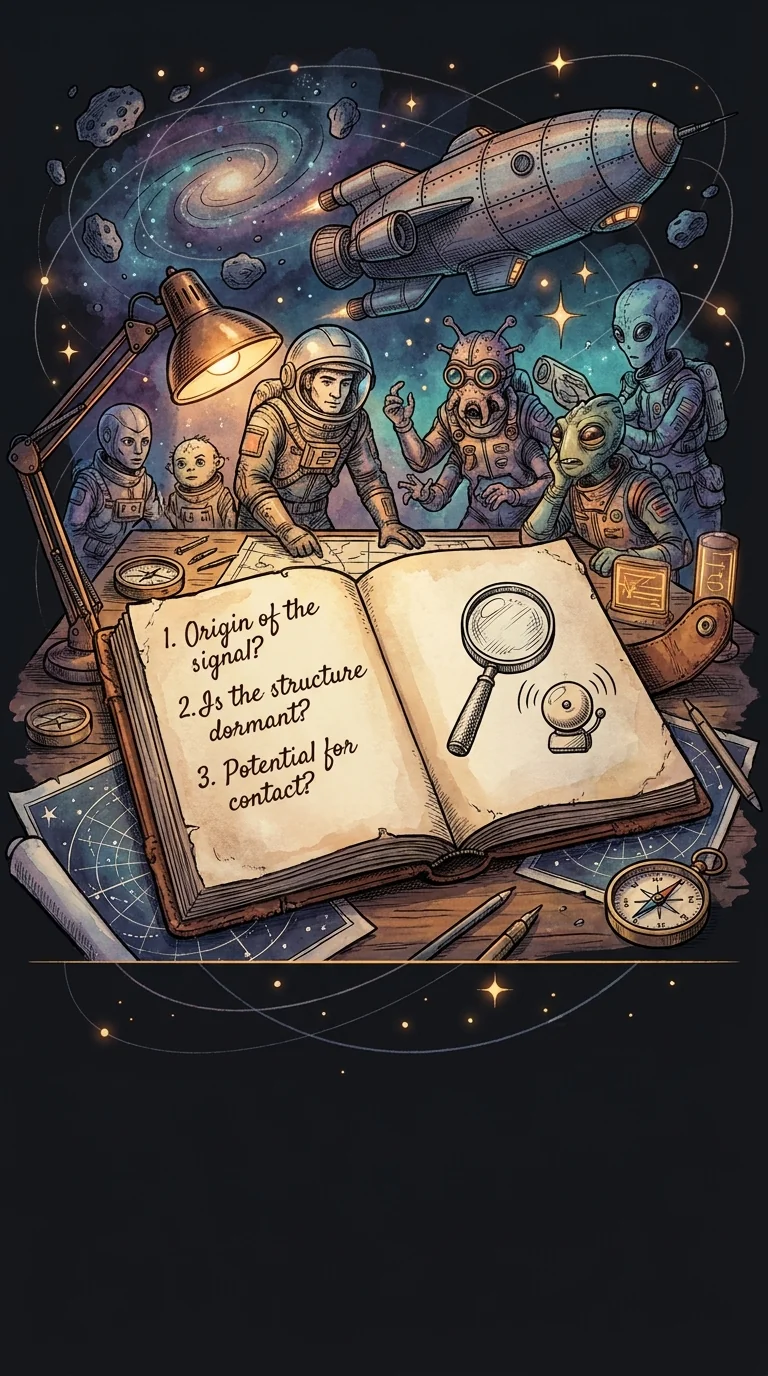
The technique is called the Fear Audit. Three questions, asked in order, before you act on any message that spikes your pulse: What exactly am I being told to fear? What action am I being pushed toward? Who benefits if I take that action right now?
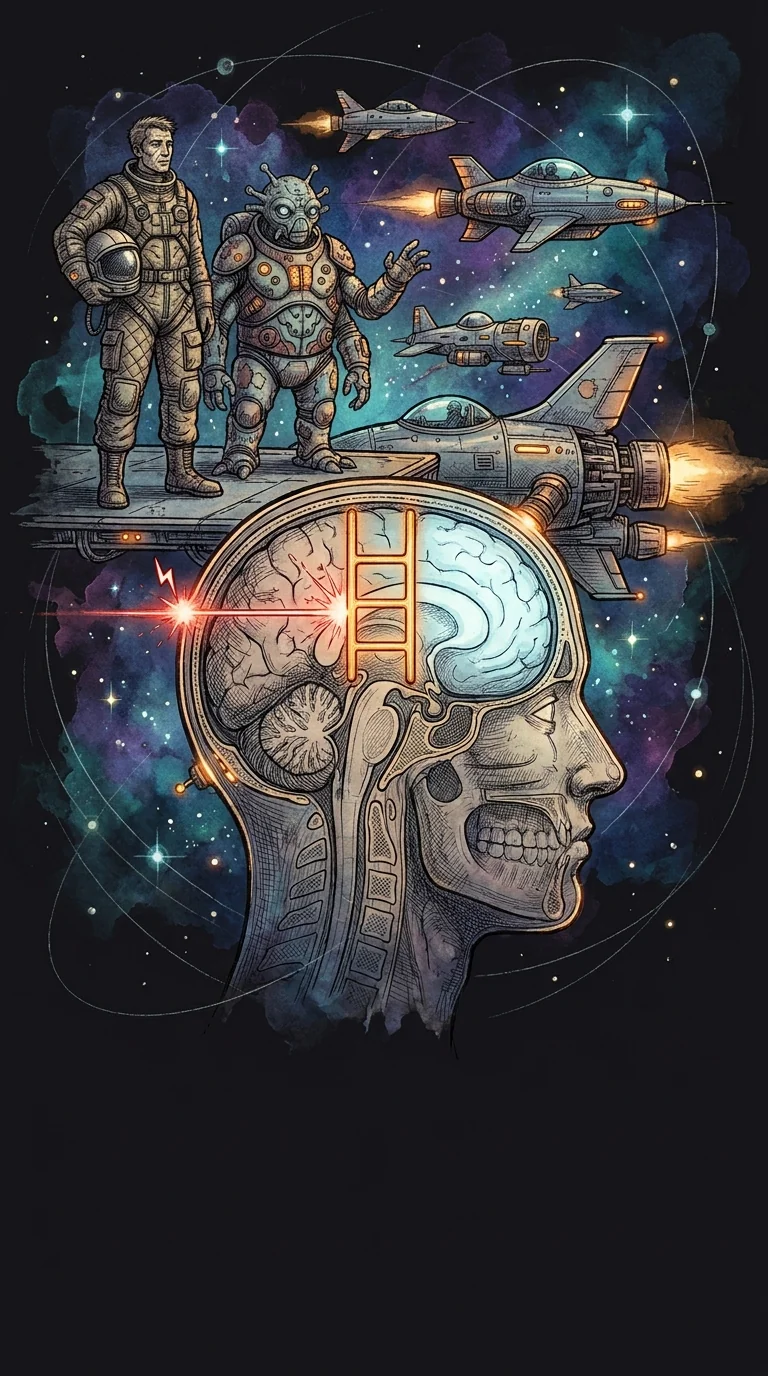
The audit works because it forces a gap between stimulus and response. Fear wants you reactive — naming the fear, the prescribed action, and the beneficiary drags your prefrontal cortex back online. Three questions. Ten seconds. That's the whole firewall.

Marcus saw a post claiming his neighborhood was about to be flooded with dangerous outsiders. His chest tightened. He ran the audit: the fear was unnamed strangers, the action was to join an angry local group chat, and the beneficiary was a political campaign buying ads on the page. He closed the tab. The tightness didn't vanish, but the urge to forward the post did.

You won't stop feeling fear — that's not the goal, and frankly it would be a terrible idea. But you can learn to feel it without being steered by it. Three questions, every time. The reflex gets faster than the fear.