Manufacturing the Enemy
Ever notice how every movement you've ever joined had a villain picked out before you even showed up? That roster slot was never empty by accident.
Part 1: Manufacturing the Enemy — Concept
+5 XP on completion
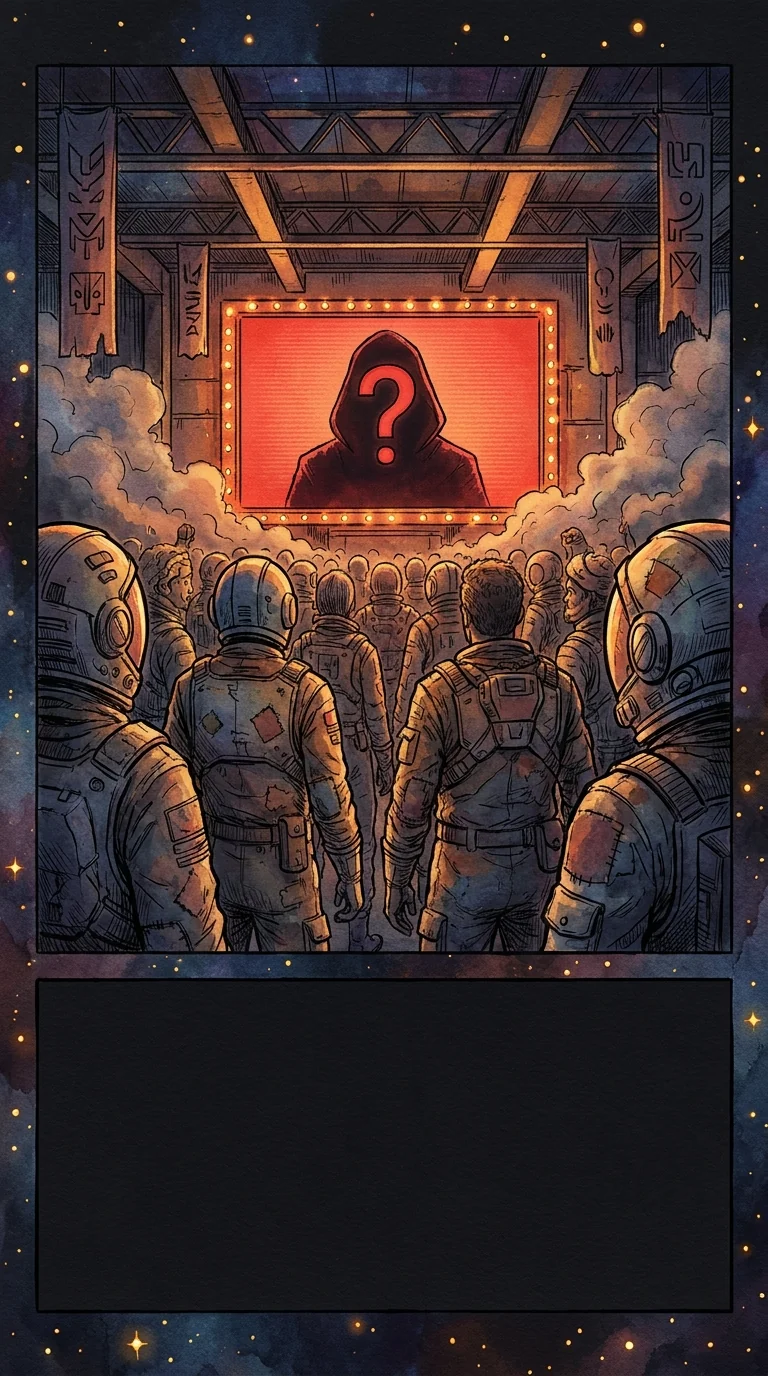
Ever notice how every movement you've ever joined had a villain picked out before you even showed up? That roster slot was never empty by accident.
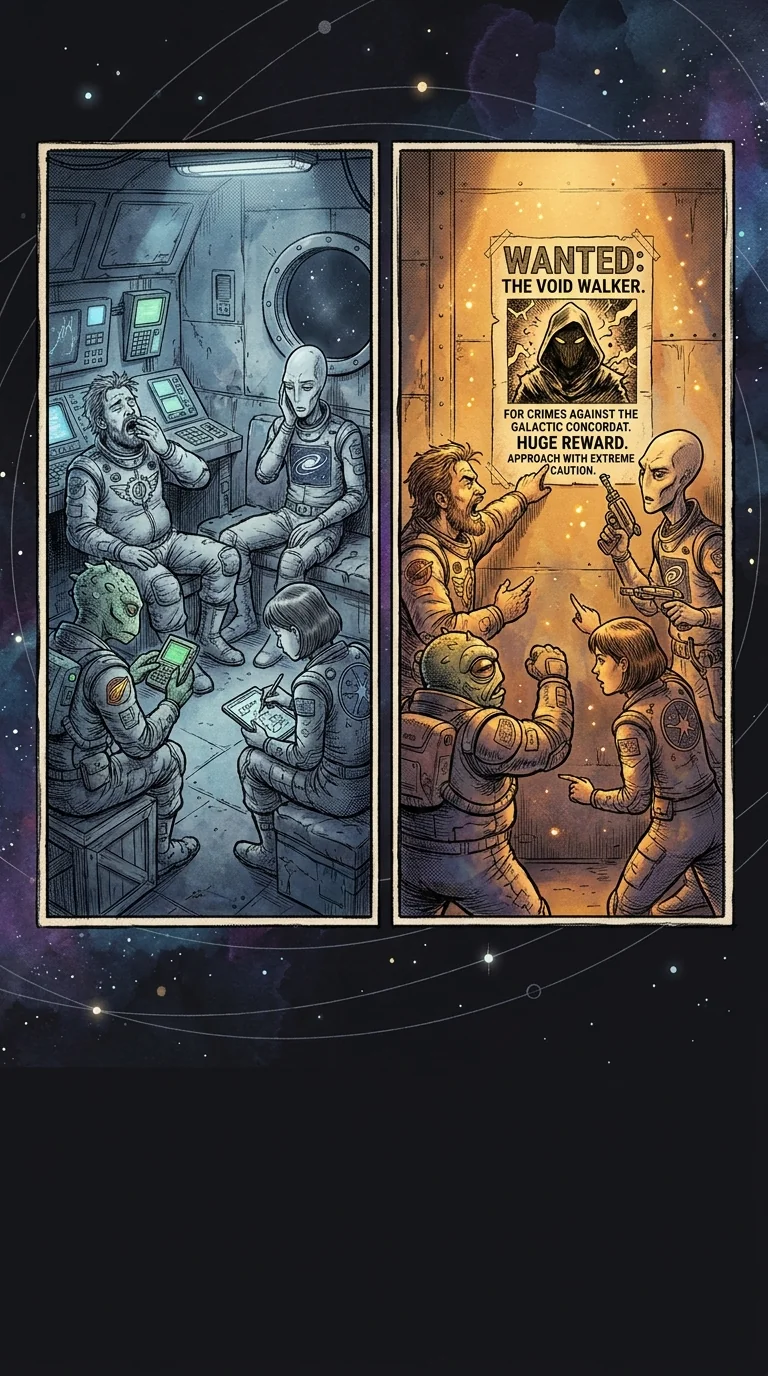
Groups don't hold together on shared values alone — that's the brochure version. What actually binds people fastest is a shared enemy. Someone to blame, someone to fear, someone to point at so nobody looks inward.
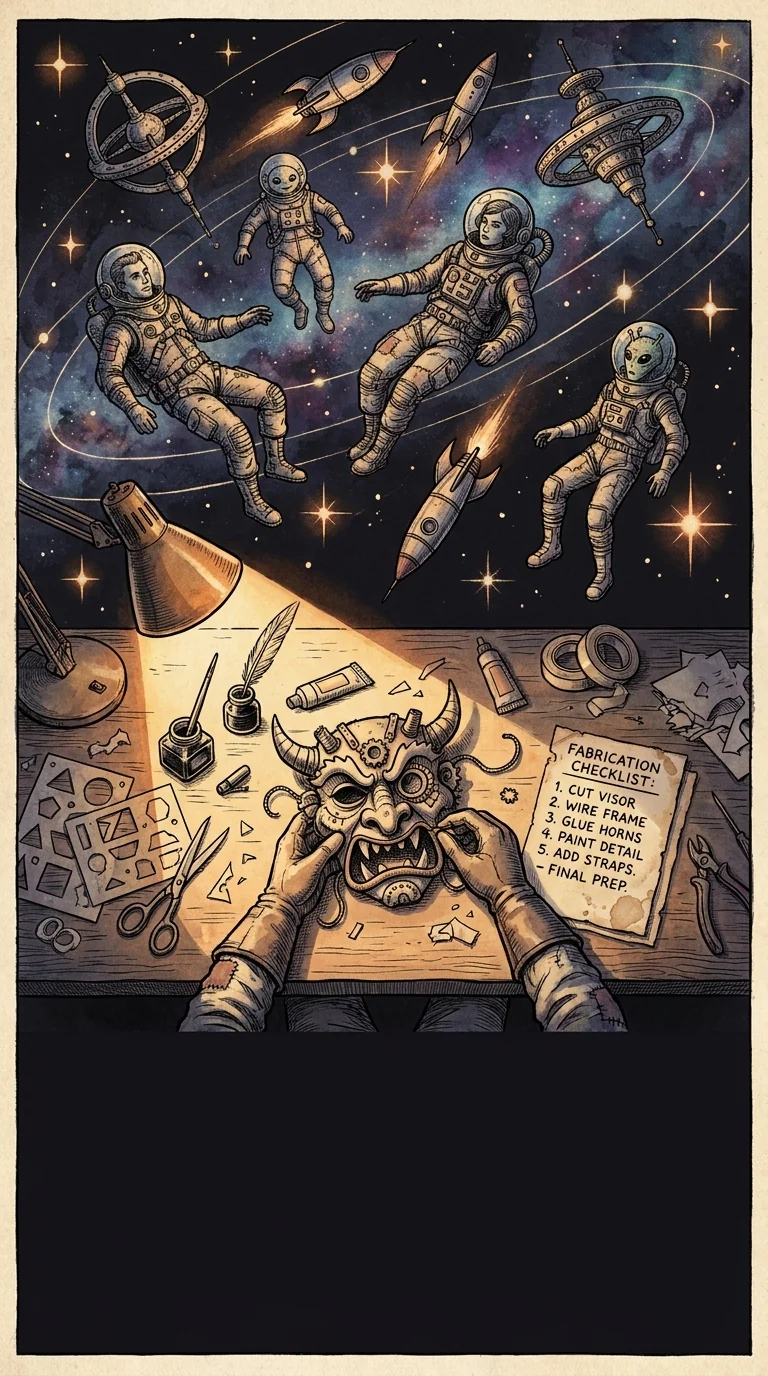
Here's what nobody admits: the enemy doesn't need to be real. It needs to be useful. A manufactured threat organizes loyalty faster than any mission statement ever written.
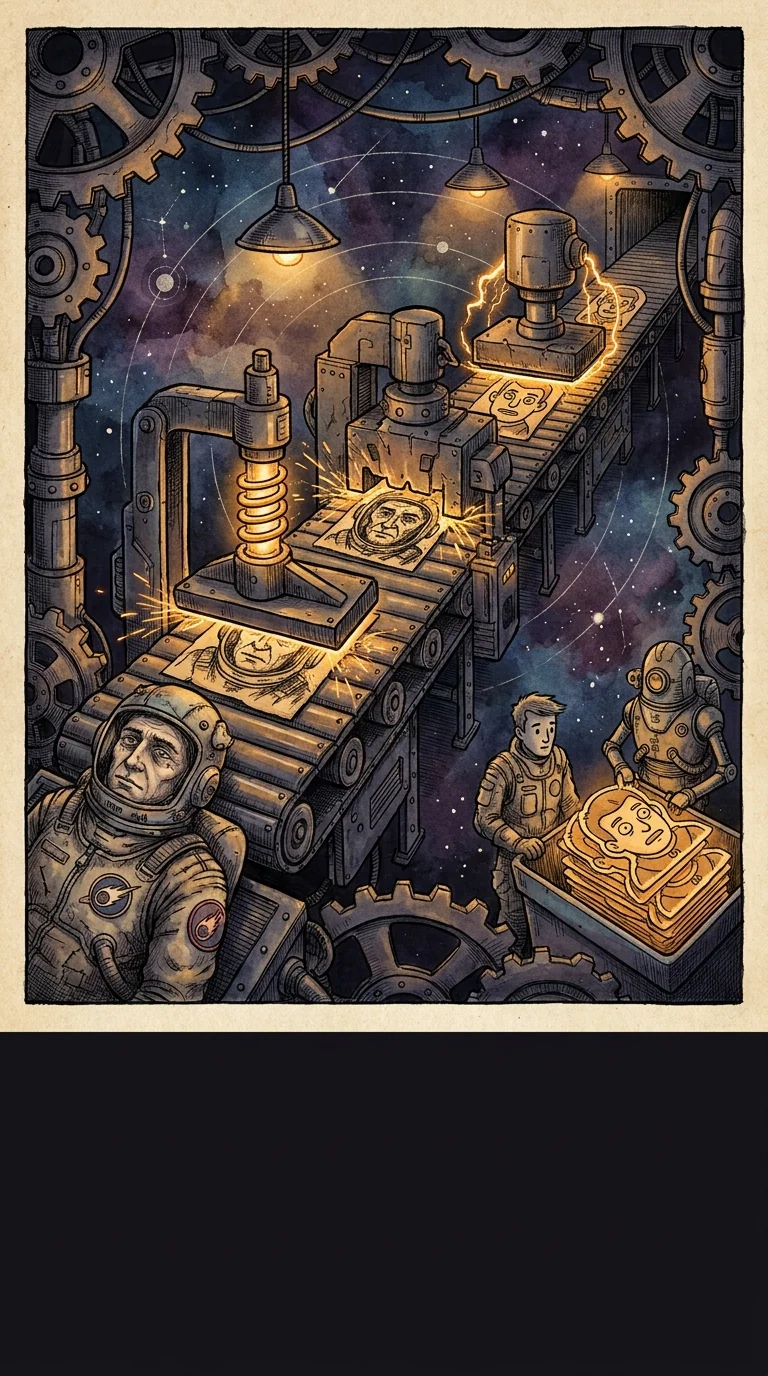
The formula has three moving parts: pick a target group, flatten them into a caricature, then repeat the caricature until your audience can't see the original anymore. Dehumanize, simplify, repeat. That's the whole machine.
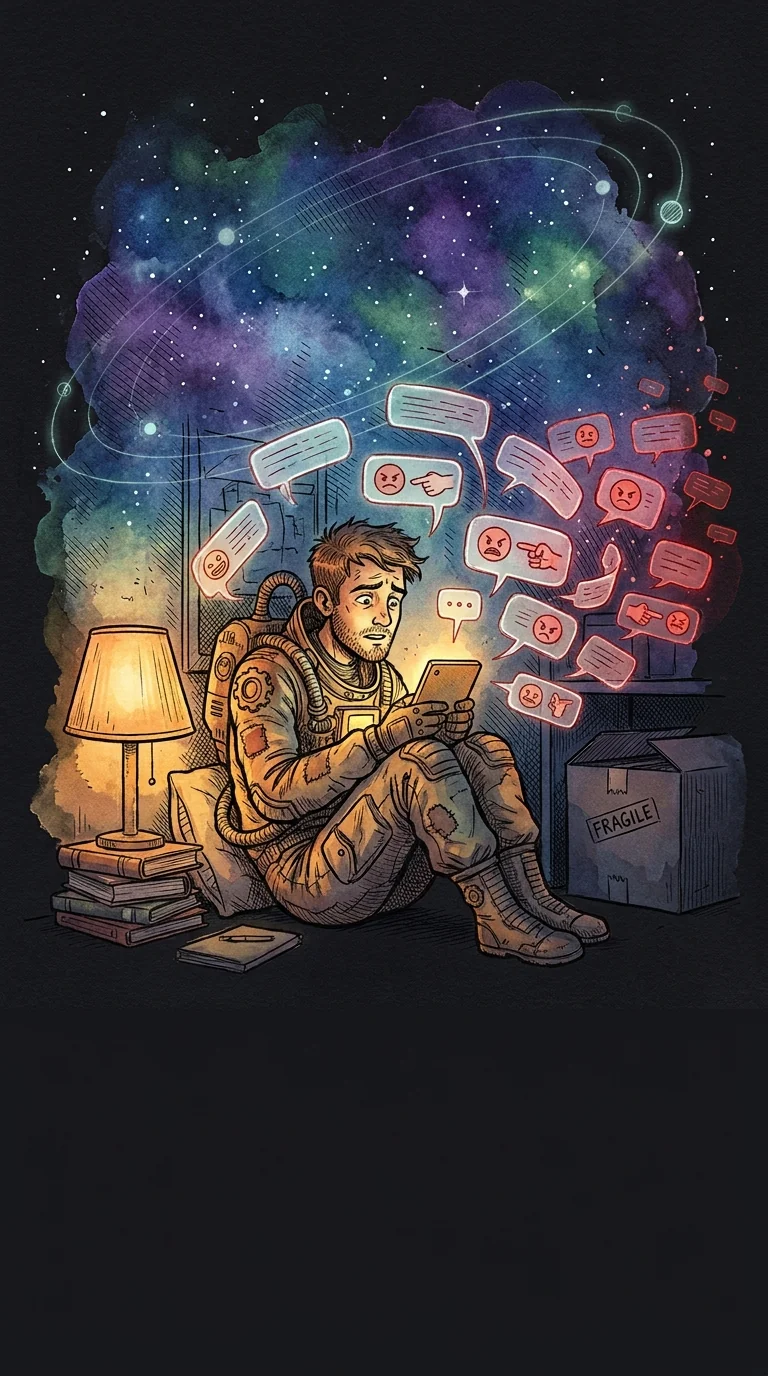
Marcus joined an online group because he was lonely after a move. Within a week, every conversation circled back to the same outsider threat — people he'd never met, described in ways that made them barely human. The group felt like family. That was the point.
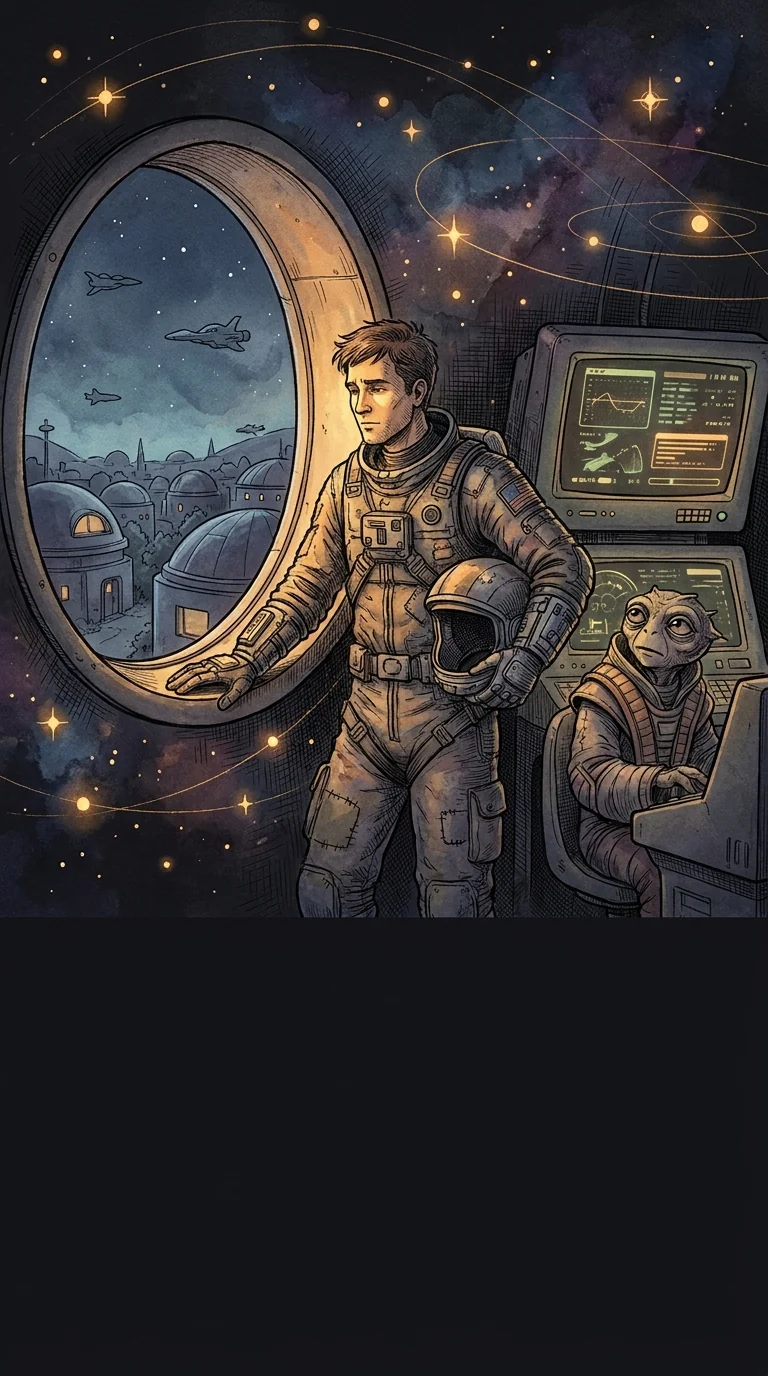
The enemy was manufactured before Marcus ever logged on. Recognizing that assembly line is the first step to not getting fed through it. In Part 2, you'll practice spotting the three-step dehumanization pattern in real examples. See you there.
Part 2: Manufacturing the Enemy — Practice
+10 XP on completion
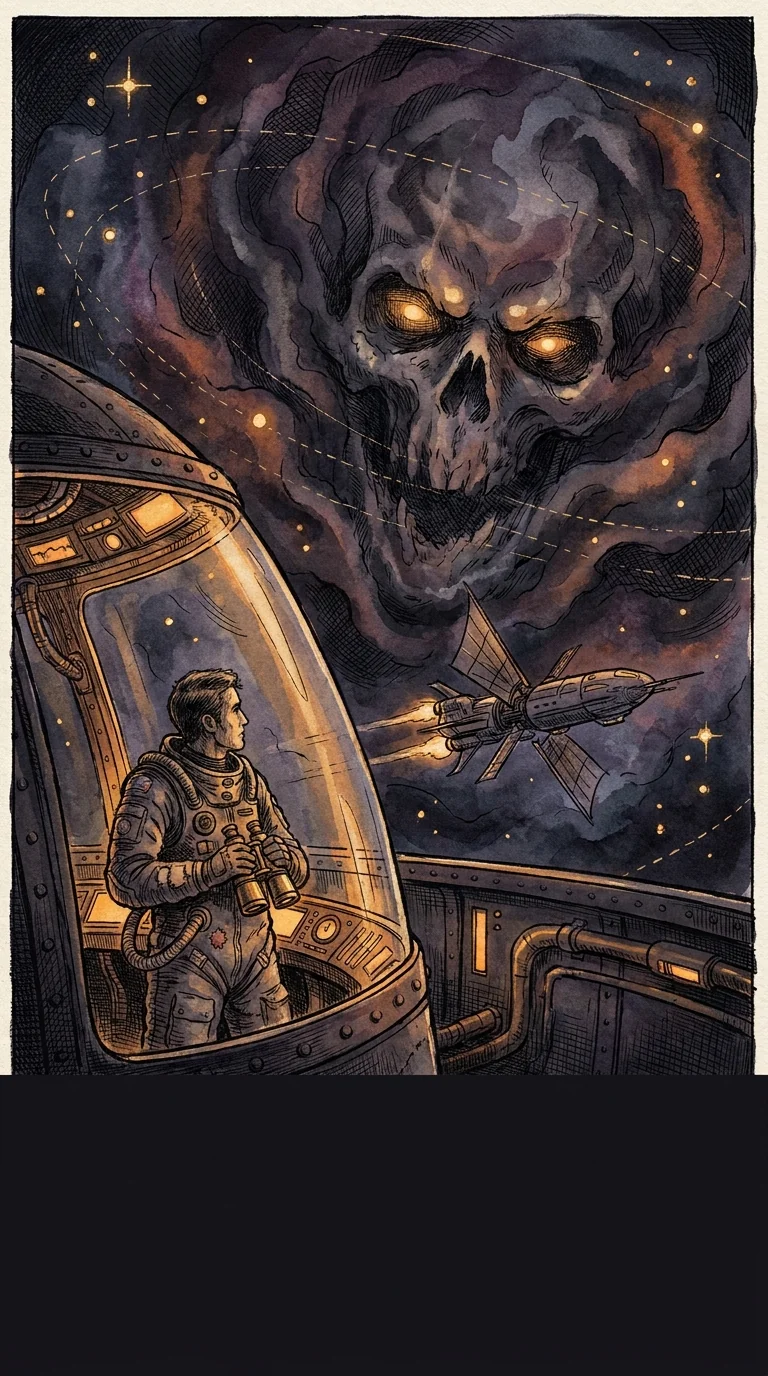
Every manufactured enemy starts with a blurry silhouette — a shape vague enough to pin your worst fears on. Today you learn to sharpen the picture until the boogeyman dissolves.
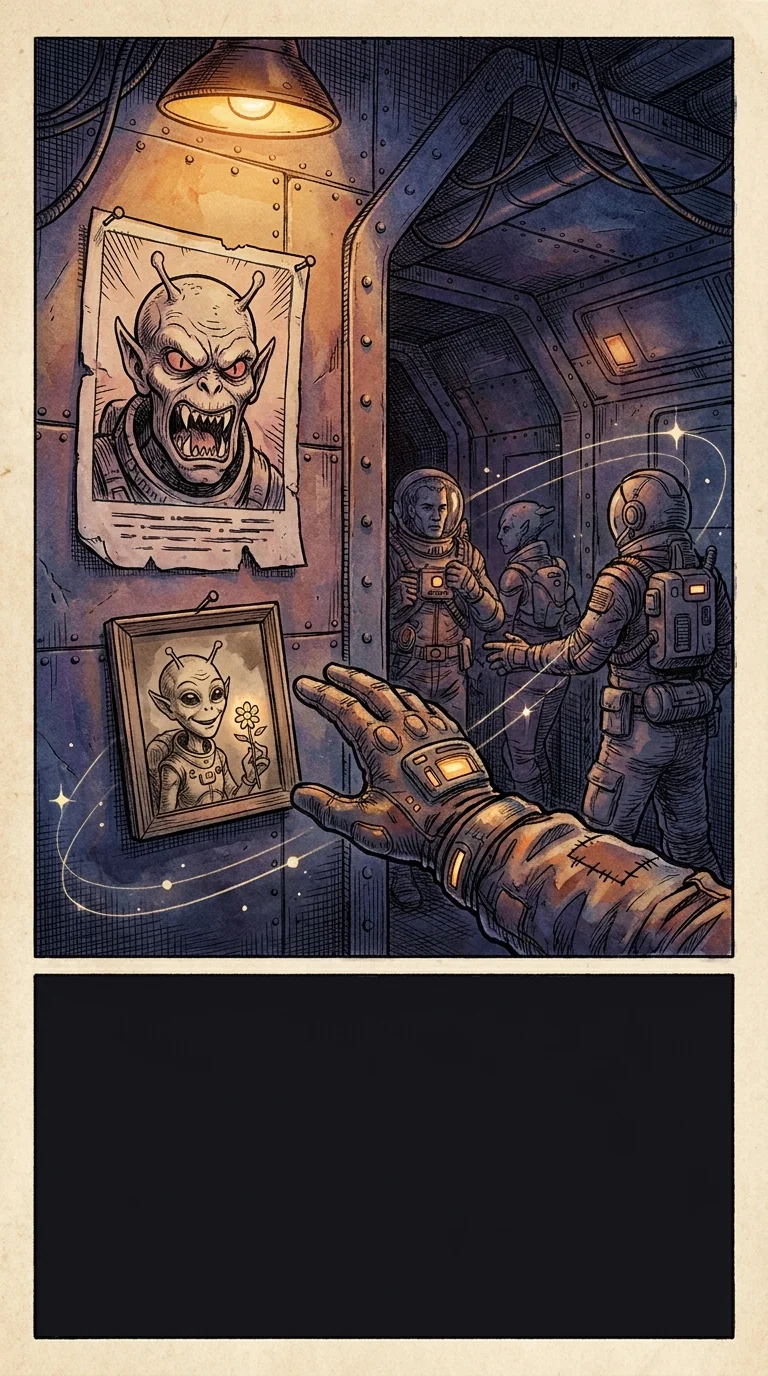
When someone hands you an enemy, your brain skips the most important question: have I actually met this person? Usually the answer is no — and the portrait you're carrying was painted by someone with an agenda.
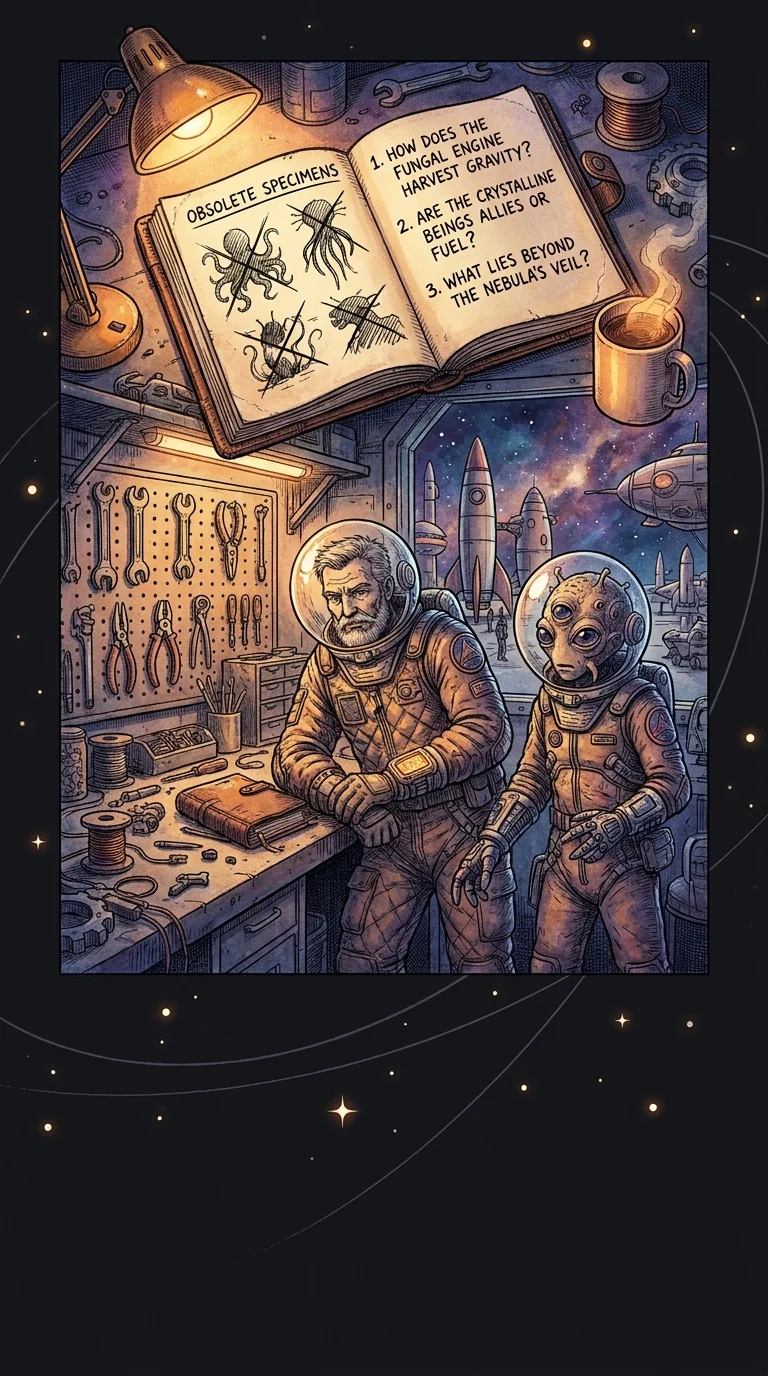
The technique is called the Three-Source Check. Before you accept any group as your enemy, you run three questions — and if the answers come up short, the enemy label gets quarantined.
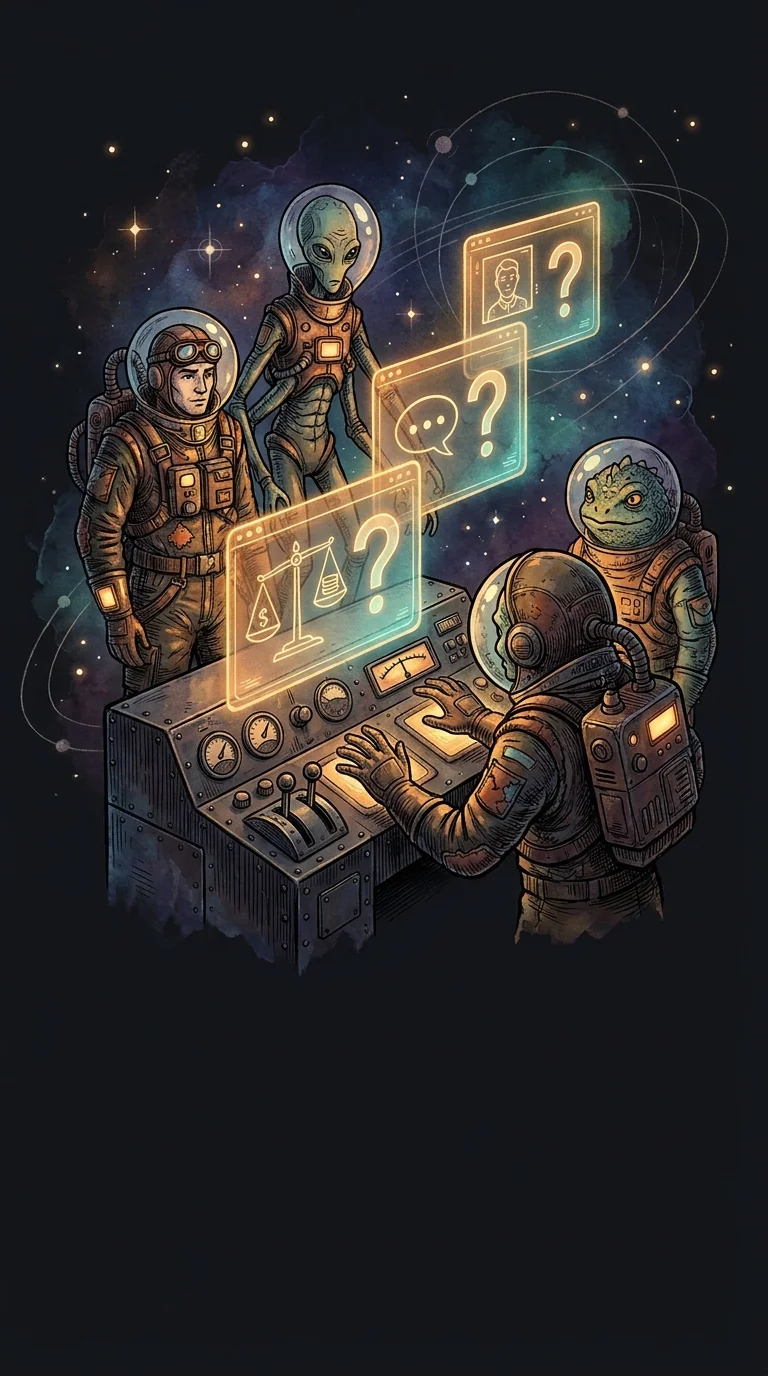
Question one: Who benefits if I fear this group? Question two: Have I heard this group describe themselves in their own words? Question three: Can I name one specific person from this group — not a headline, a person? If you can't clear all three, the enemy image is cargo someone else packed for you.
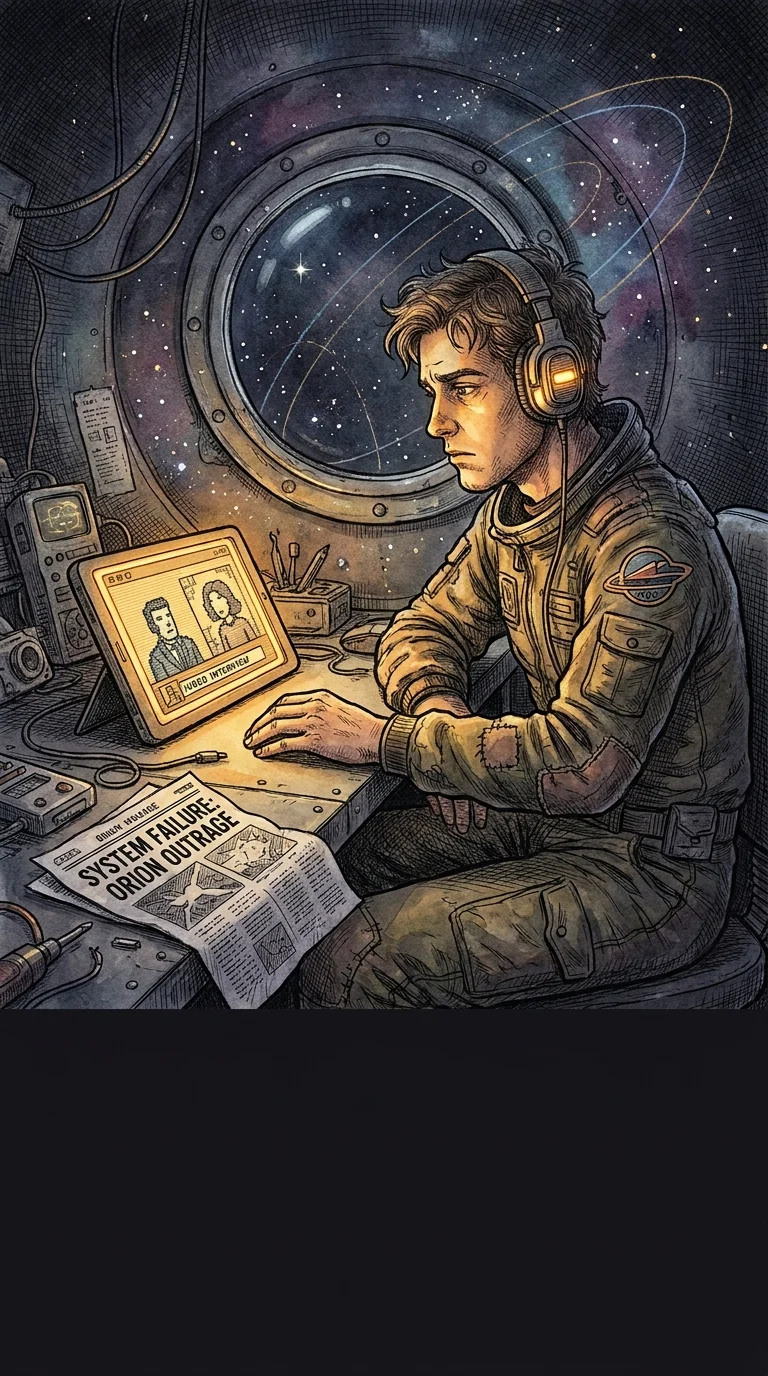
Marcus kept sharing posts about a community he'd never spoken to. One afternoon he sat down and ran the Three-Source Check. He couldn't answer question two or three. So he found an interview, listened for twenty minutes, and felt something quiet and uncomfortable: the portrait in his head had been wrong for years.
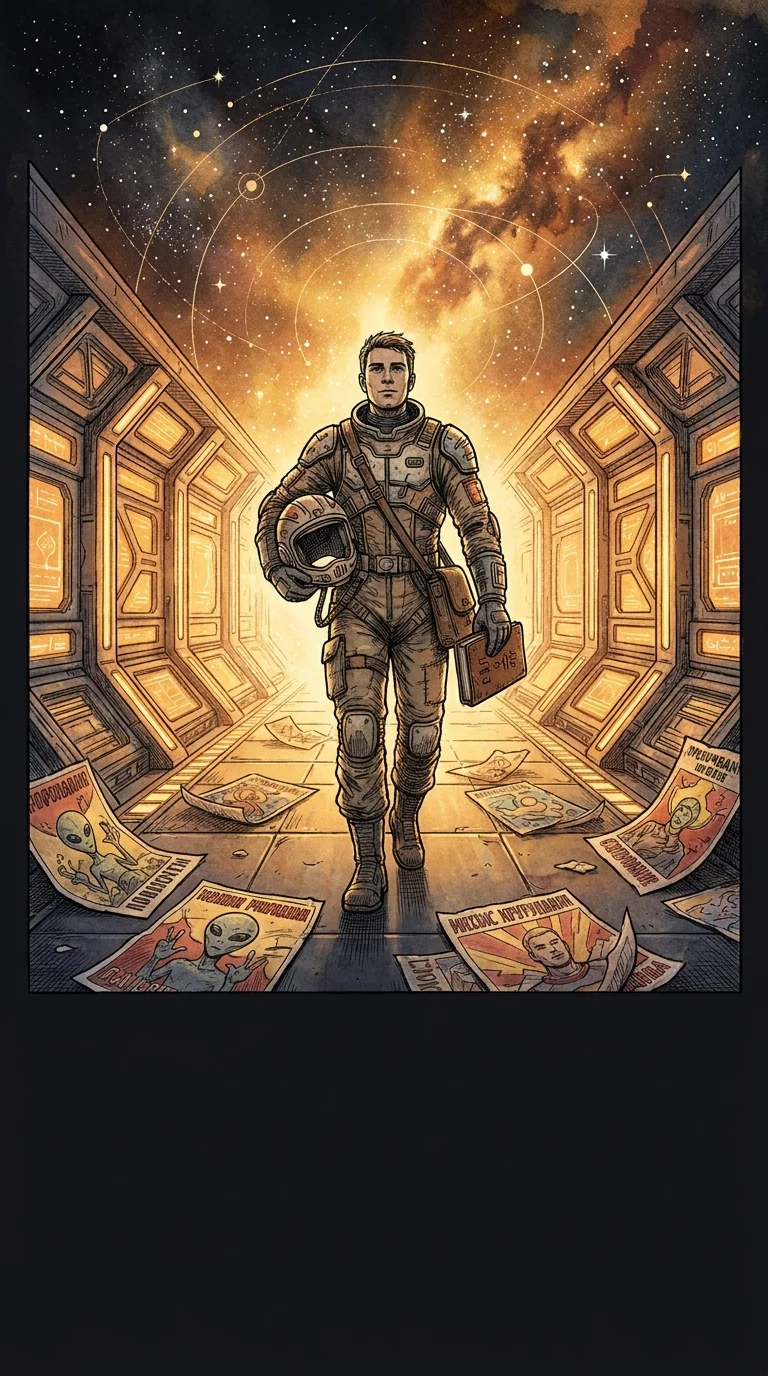
You now have a filter that fits in your pocket. The next time someone hands you a villain, you don't have to accept delivery — you can check the shipping label first. That small pause is where clearer thinking begins.