The Same Old Playbook
Marcus scrolled past a post that made his blood boil — then three more that made it boil the exact same way, in the exact same sequence. Coincidence is one hell of an alibi.
Part 1: The Same Old Playbook — Concept
+5 XP on completion
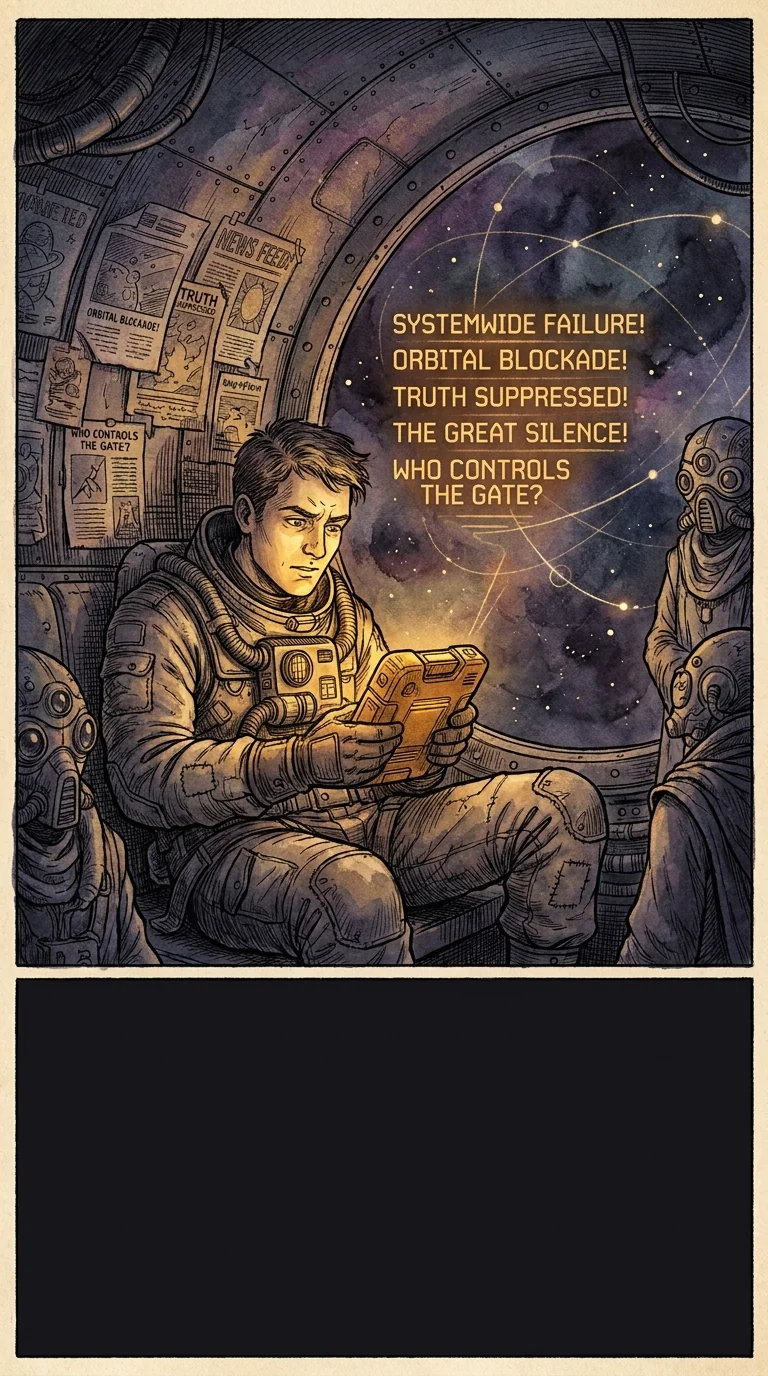
Marcus scrolled past a post that made his blood boil — then three more that made it boil the exact same way, in the exact same sequence. Coincidence is one hell of an alibi.
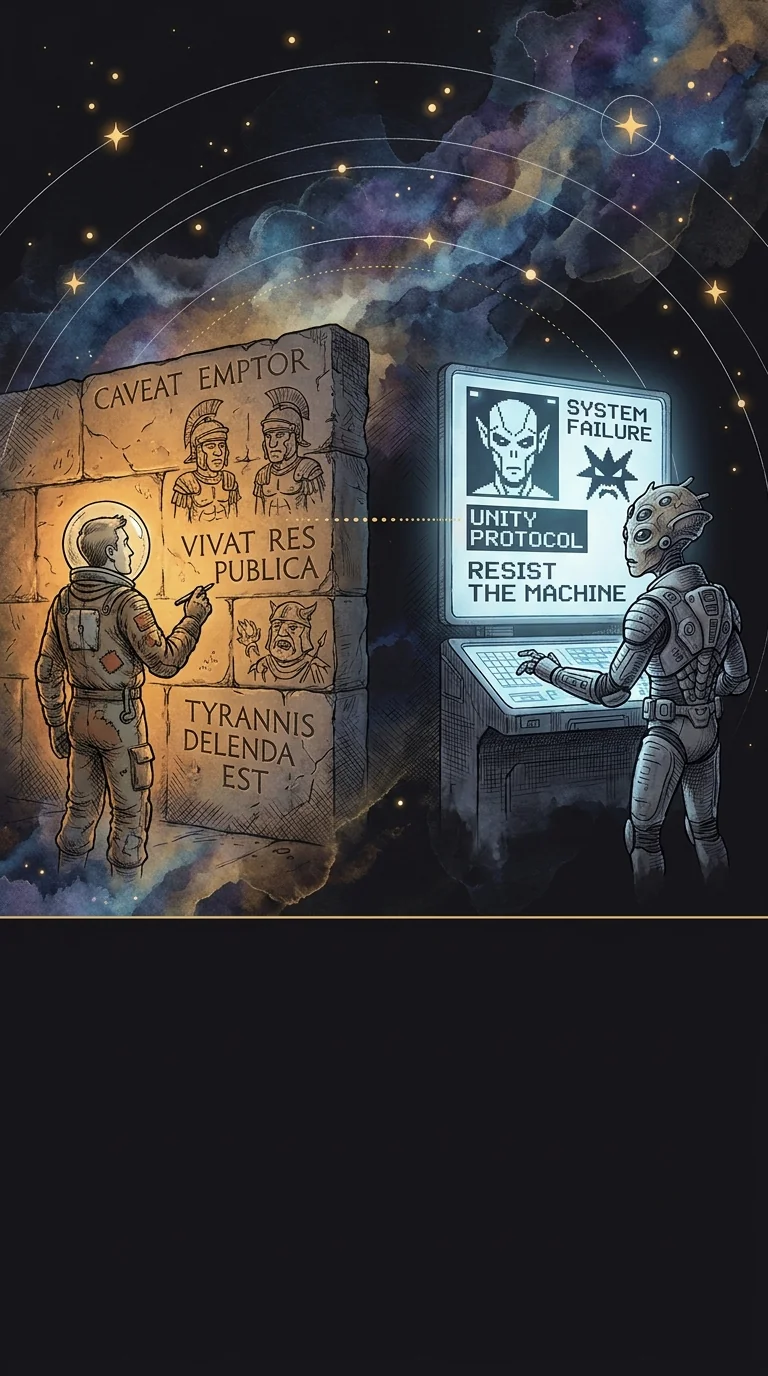
We treat propaganda like it's a modern invention — something that arrived with algorithms and bad Wi-Fi. It was already ancient when Rome was scratching political graffiti onto walls to rig an election.
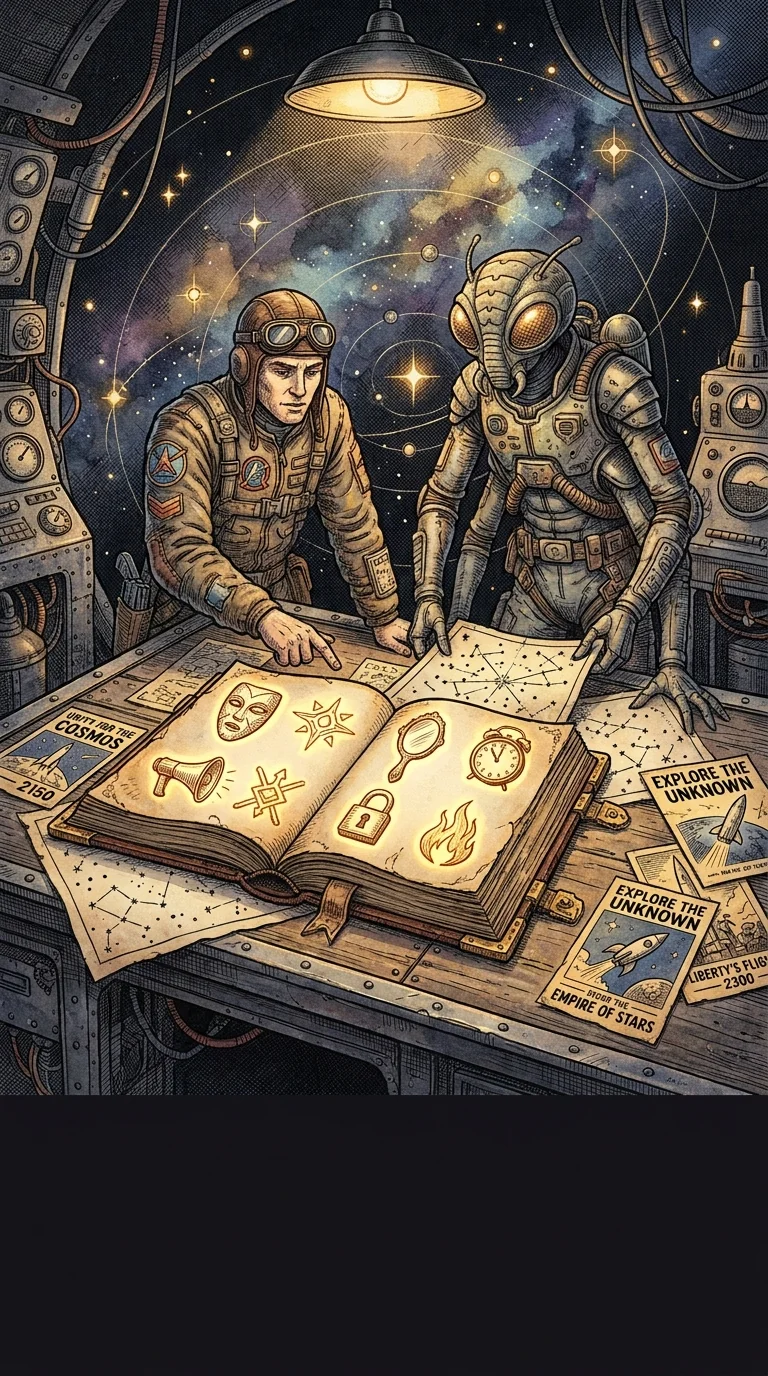
Here's what nobody admits: the playbook has only six moves. Every demagogue, every troll farm, every wartime poster bureau runs the same six techniques — because your brain hasn't changed in ten thousand years, and they know it.
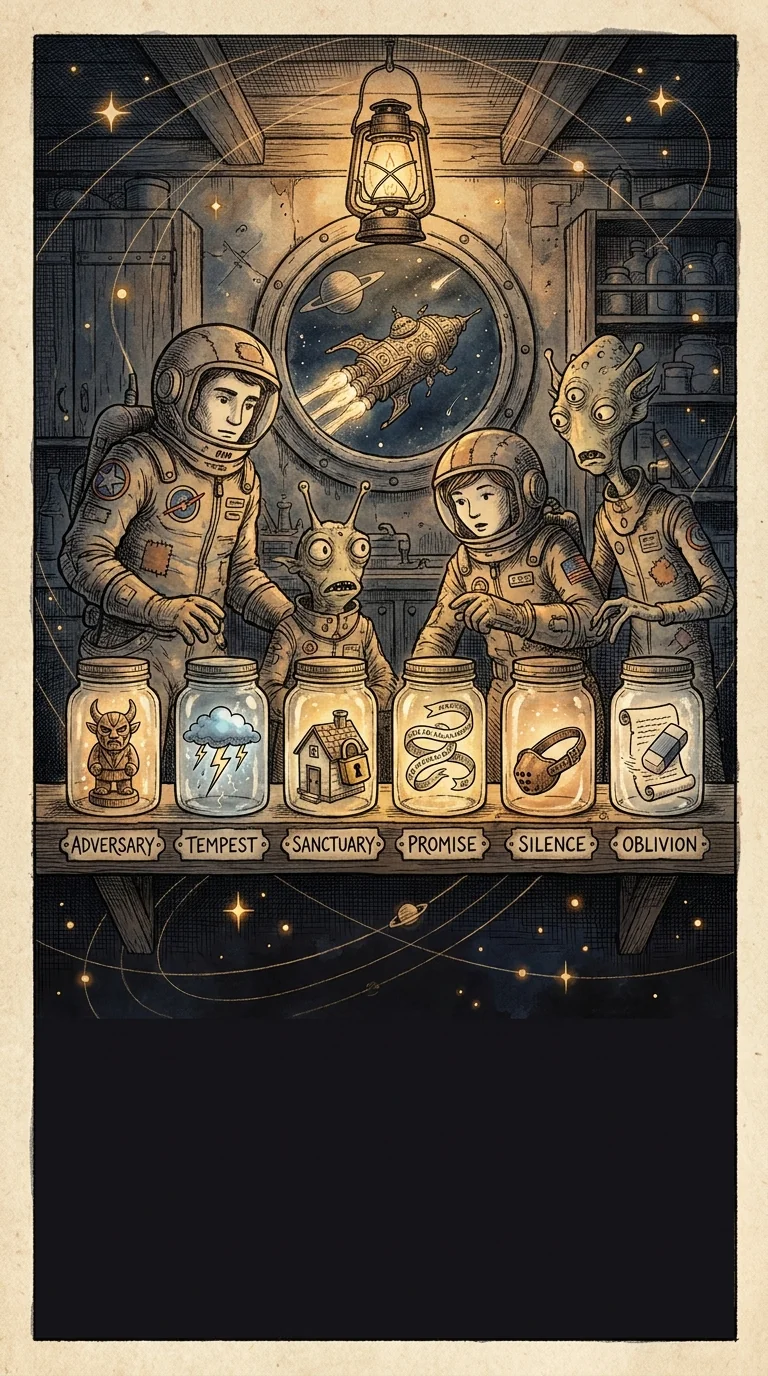
Manufacture an enemy. Appeal to fear. Offer false belonging. Repeat a simple lie. Silence dissent. Rewrite history. That's the whole menu. Every campaign you've ever fallen for ordered off it — they just dressed the entrées differently.

Marcus traced the post back three shares. The original source was a page that didn't exist six weeks ago, already had eighty thousand followers, and used every technique on the list — in a single paragraph. That's not passion. That's a recipe being followed.
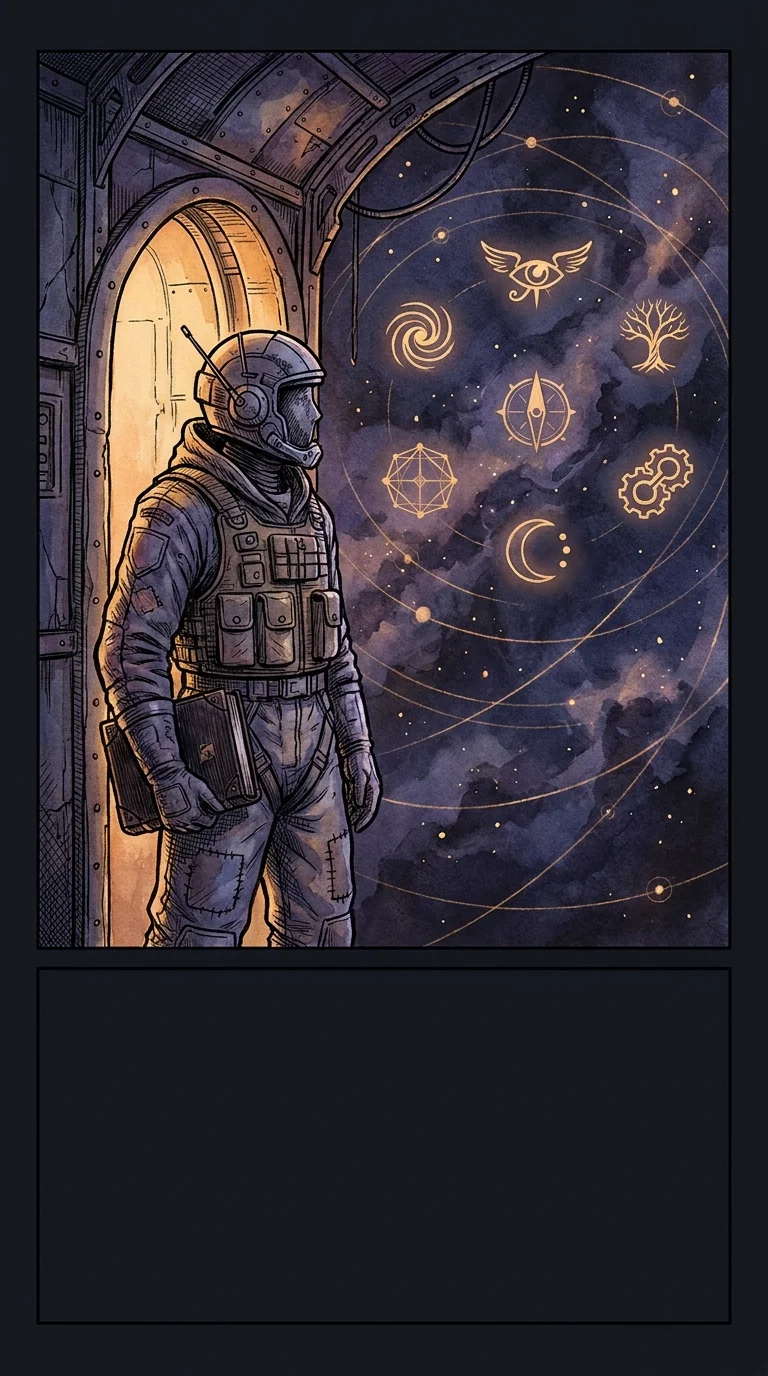
Six techniques. Ten thousand years of the same con, wearing different costumes. Once you can name them, they lose most of their power — which is exactly what the playbook doesn't want. In Part 2, you'll practice spotting all six in a single real-world example. See you there.
Part 2: The Same Old Playbook — Practice
+10 XP on completion

Six techniques, thousands of years, one playbook — and you can learn to read it like a parts list. Today you start with the simplest tool in the kit: the Pause-and-Tag.
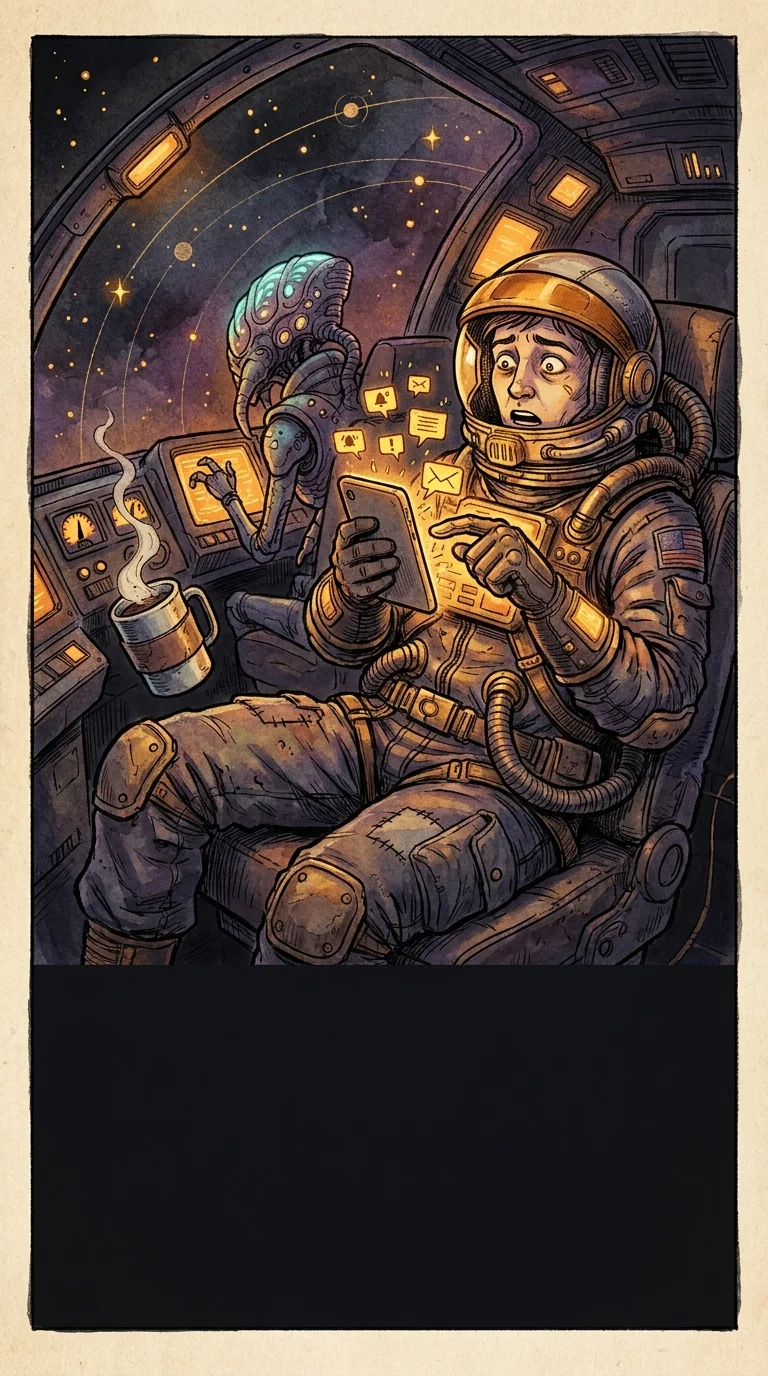
Here's what usually happens: a headline hits your feed, your gut fires, and you share it before your brain finishes its coffee. The propagandist's entire business model depends on that three-second gap between reaction and thought.
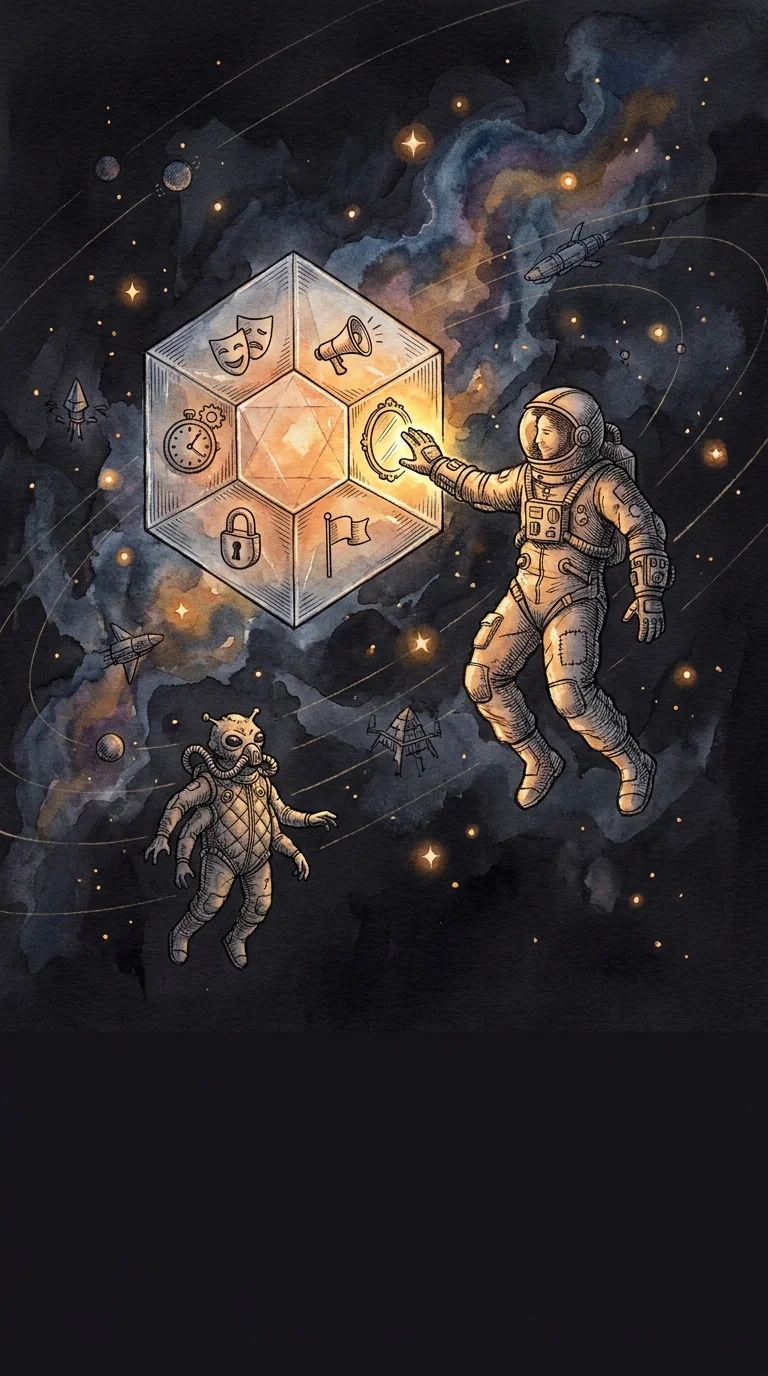
The Pause-and-Tag is absurdly simple, which is why it works. When any message triggers a strong emotional spike — outrage, fear, righteous thrill — you stop and ask one question: which of the six techniques is this using?
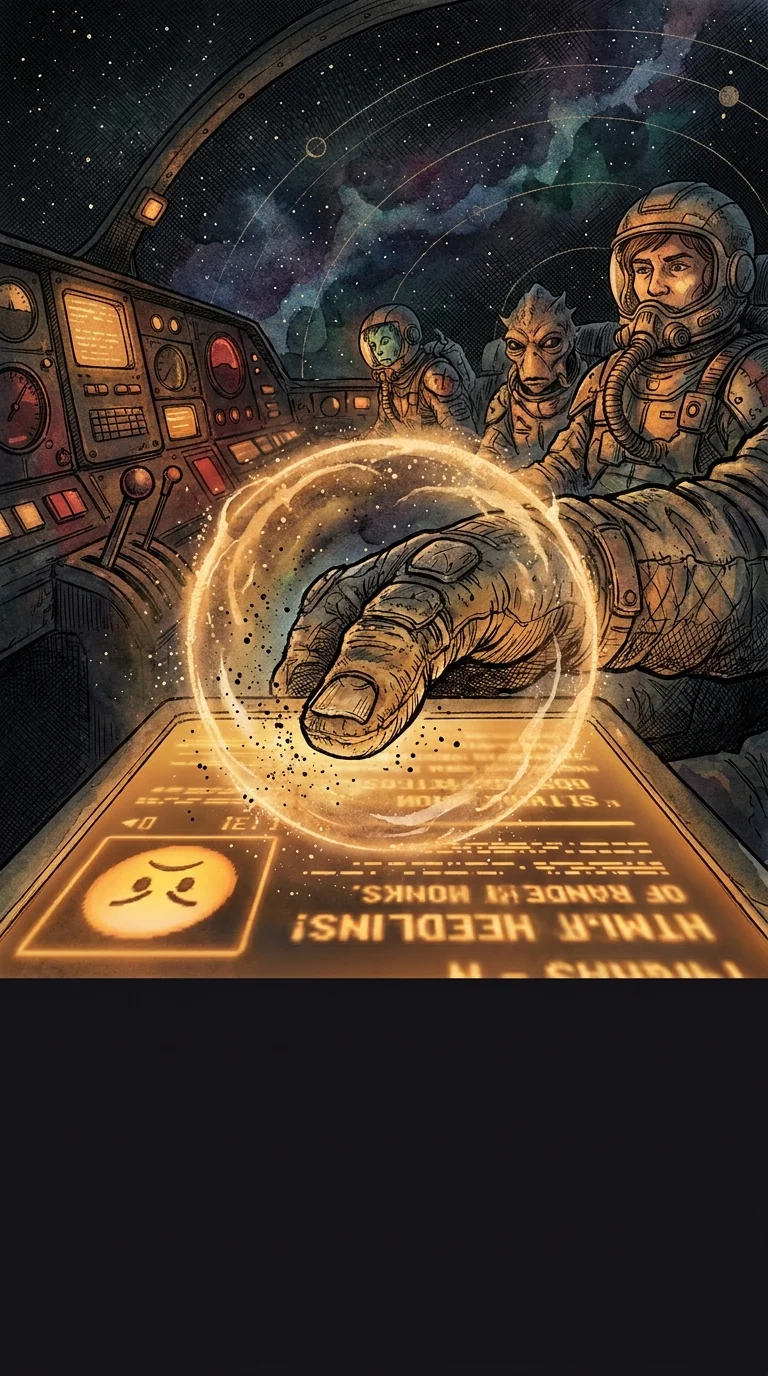
You don't need to name the technique perfectly yet — you'll learn each one over the next twenty days. Right now, just practice the pause. Feel the spike, freeze the scroll, and say out loud: "That's a play." Naming the game changes the game.
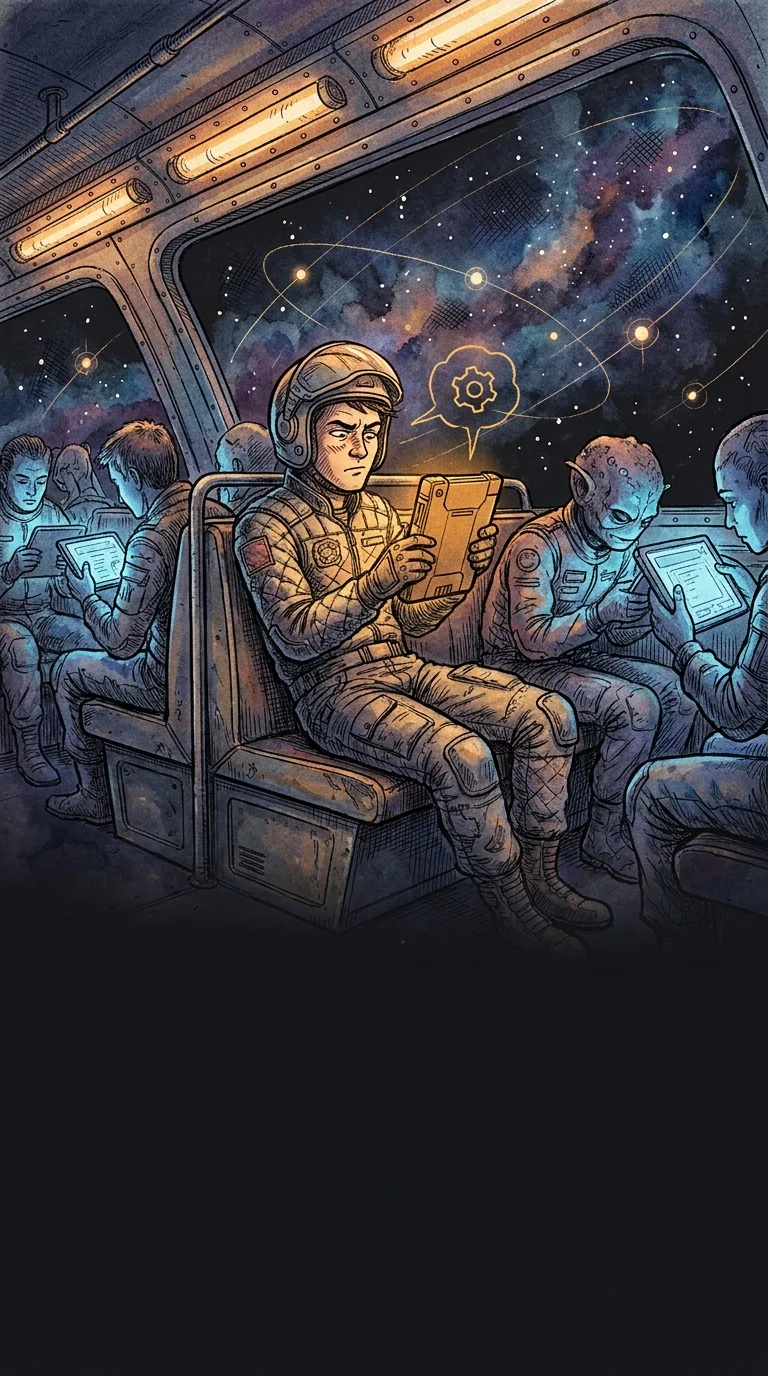
Marcus tried it on his commute. A shared post about a local crime made his chest tighten — pure outrage in four sentences. He paused, muttered "that's a play," and noticed the post had no source, no date, and three million views. The spike dropped. Not to zero, but enough to think.
Today, try it once. Just once — one headline, one emotional spike, one quiet "that's a play." You don't need to be an expert yet. You just need to start noticing the strings before they pull.