The Gradual Slide
Nobody ever looks in the mirror and thinks, 'Today's the day I become an extremist.' That's exactly what makes the process work.
Part 1: The Gradual Slide — Concept
+5 XP on completion
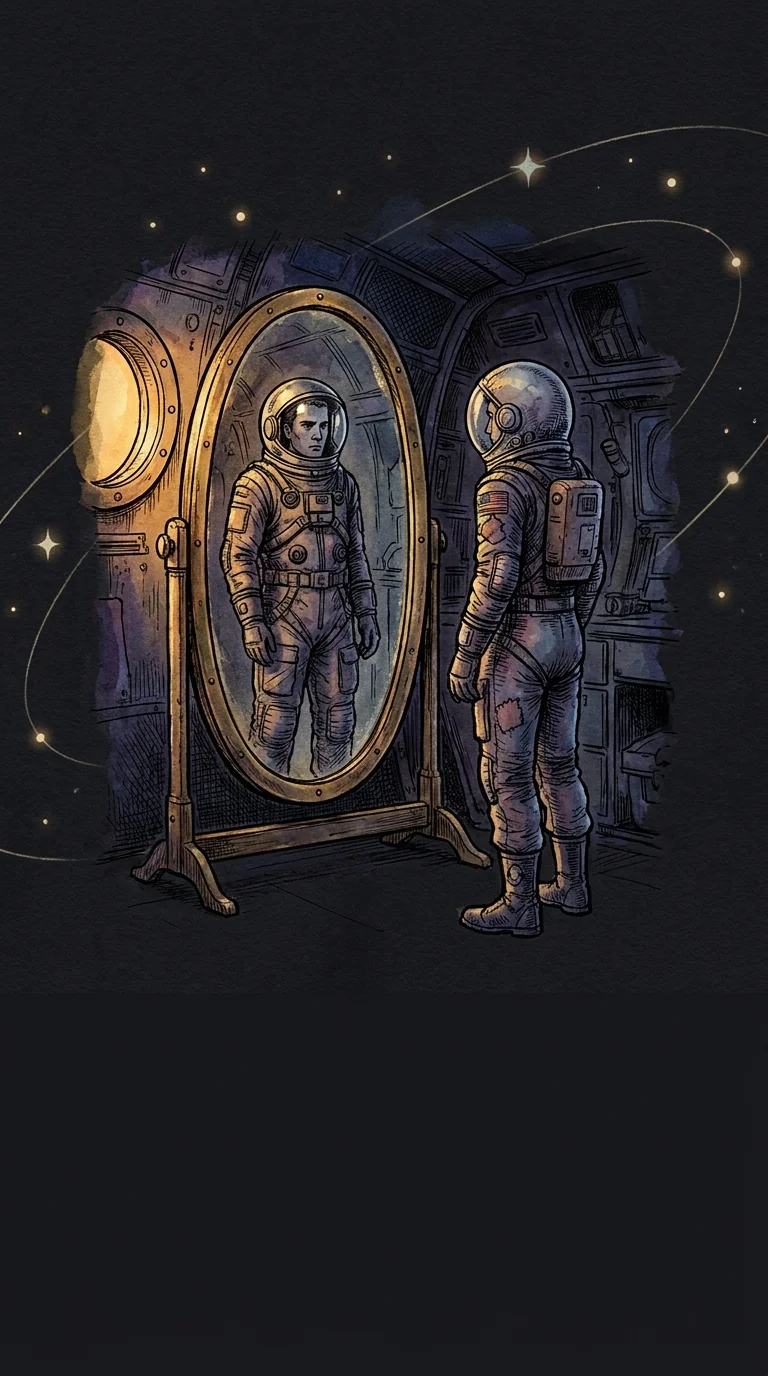
Nobody ever looks in the mirror and thinks, 'Today's the day I become an extremist.' That's exactly what makes the process work.
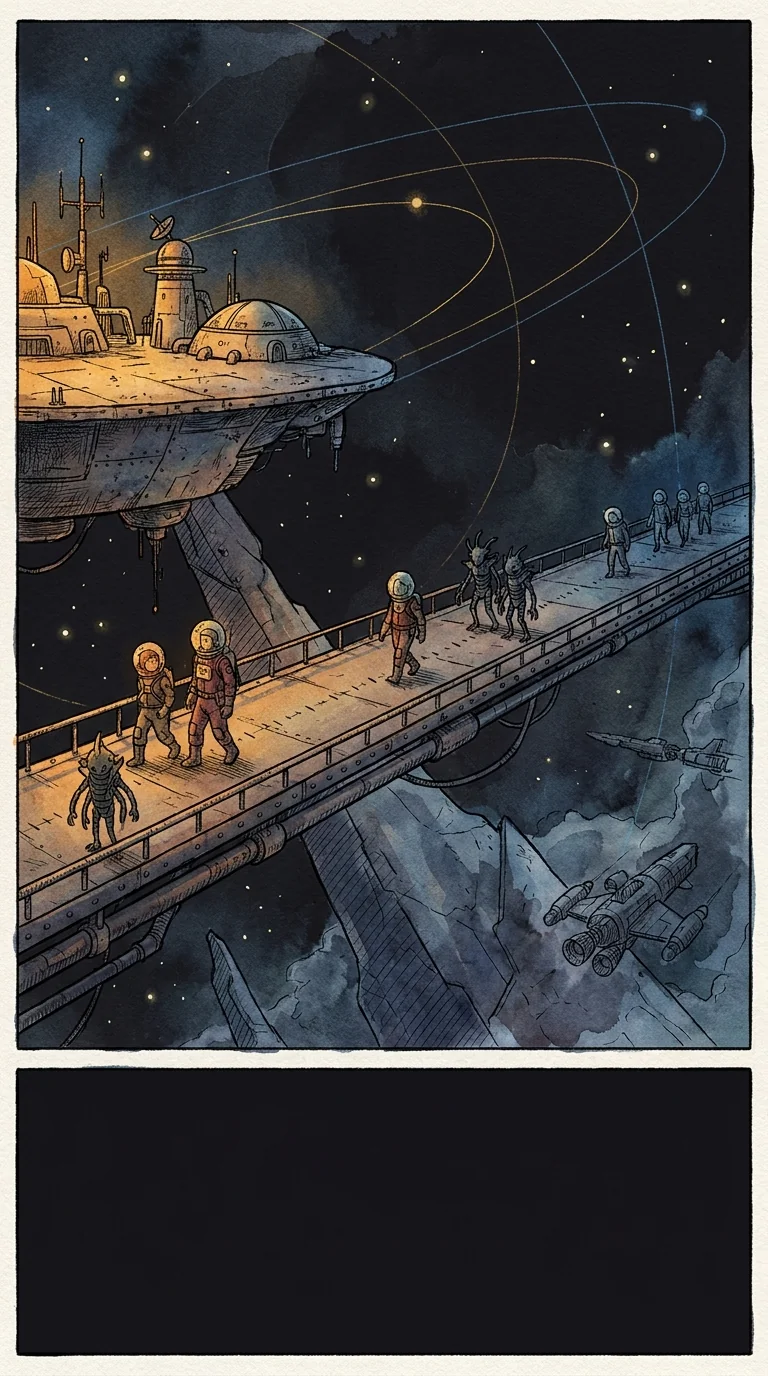
We imagine radicalization as a cliff — one dramatic leap. It's actually a ramp, and the grade is so gentle you'd swear you were walking on flat ground the whole time.
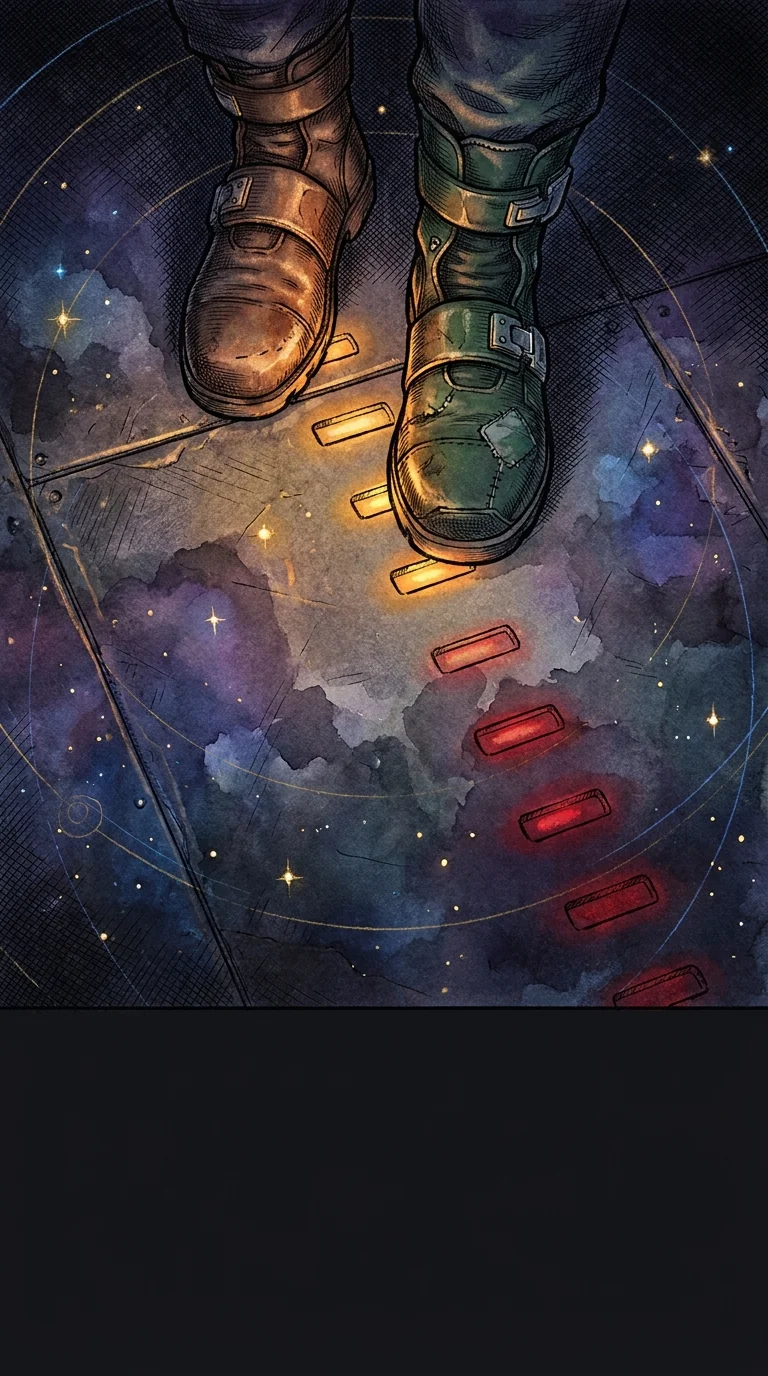
Here's what nobody admits: each step only asks you to move an inch from where you already stand. And an inch from reasonable still feels reasonable. That's the engine of the whole machine.
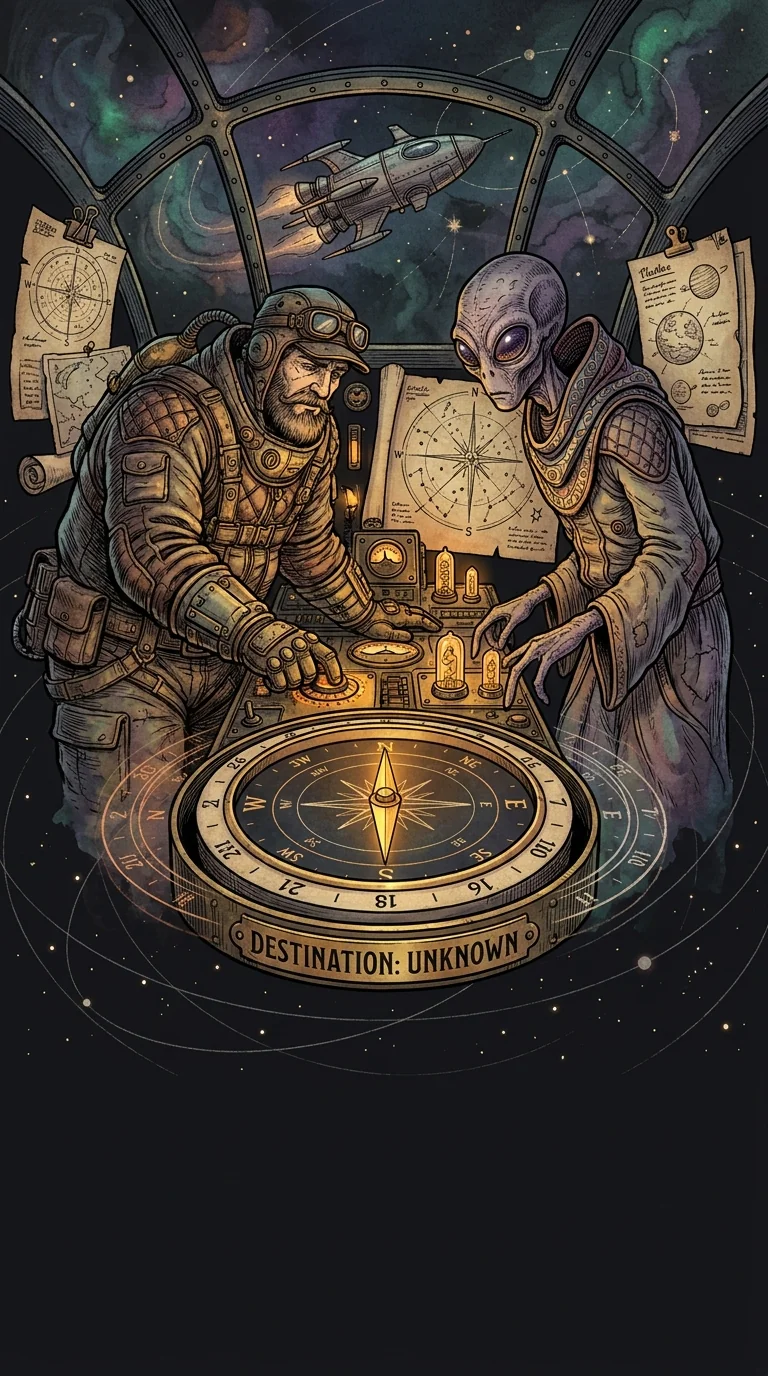
The mechanism is called the "shifting baseline." Each new position becomes your new normal, and you measure the next step from there — never from where you started. Your internal compass recalibrates without asking permission.

Marcus scrolled back through two years of his own posts. The first ones were mild gripes about local politics. The recent ones scared him. He couldn't find the moment he'd changed — because there wasn't one. There were three hundred small ones.
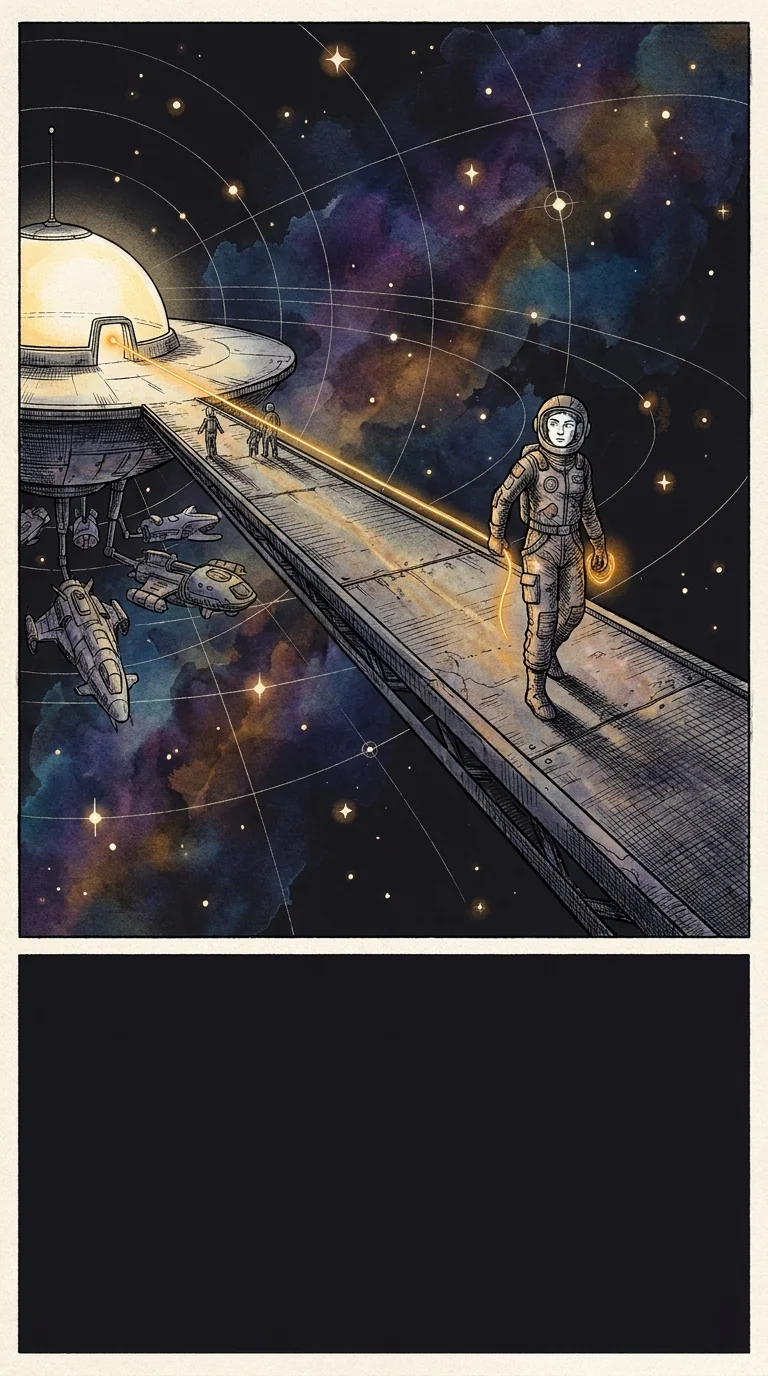
The slide works because it never announces itself. But once you know what a shifting baseline looks like, you can measure from the origin — not just from where you're standing now. In Part 2, you'll practice mapping your own belief timeline to spot the inches before they become miles. See you there.
Part 2: The Gradual Slide — Practice
+10 XP on completion

Radicalization doesn't announce itself with a costume change — it's a series of small, reasonable-feeling steps, each one making the next one easier. So how do you catch a slide when every individual inch feels flat?
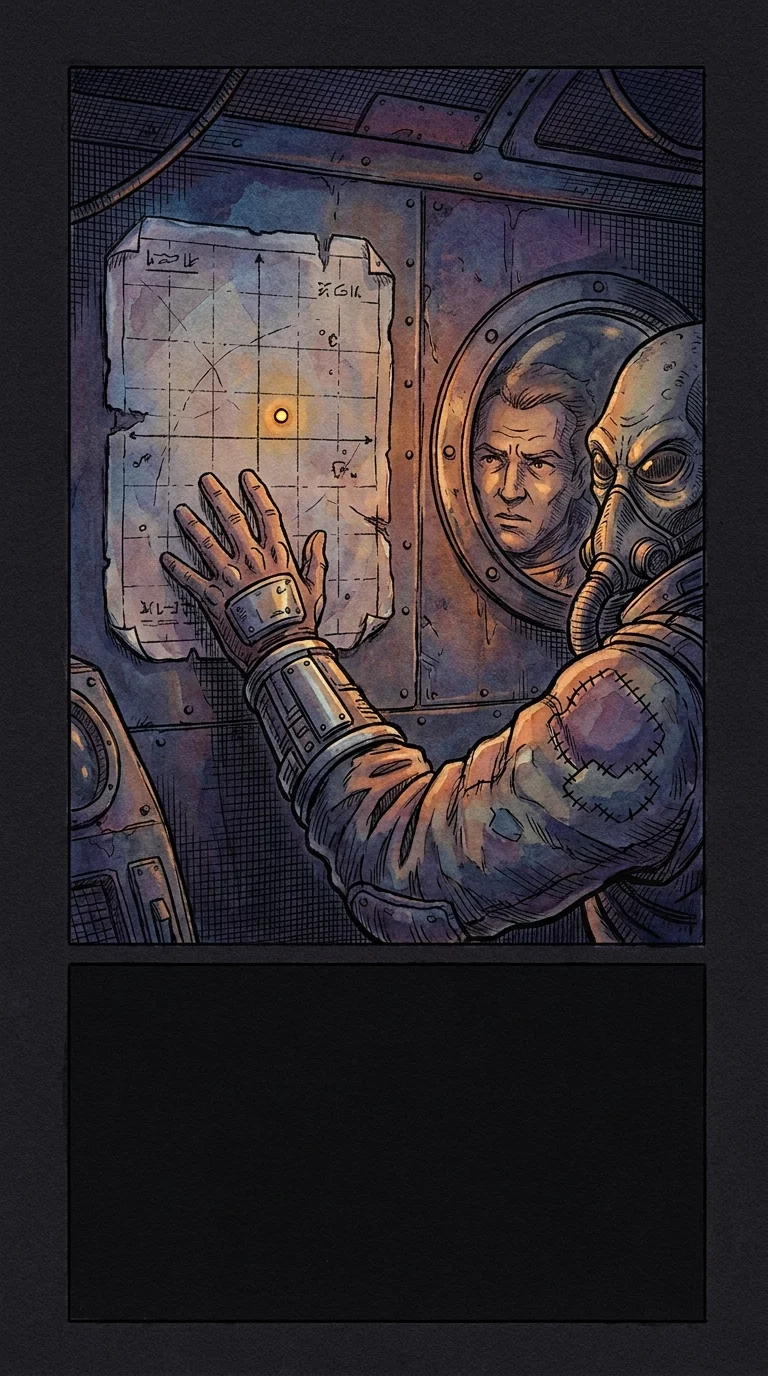
The problem isn't any single opinion you hold right now. It's that you have no record of where you started — so you can't measure how far the ground has shifted under you.

The technique is called the Anchor Log. You write down — today, in your own words — what you actually believe about three or four things that matter to you. Then you date it and leave it alone. That's it. Future you now has a fixed star to measure drift against.
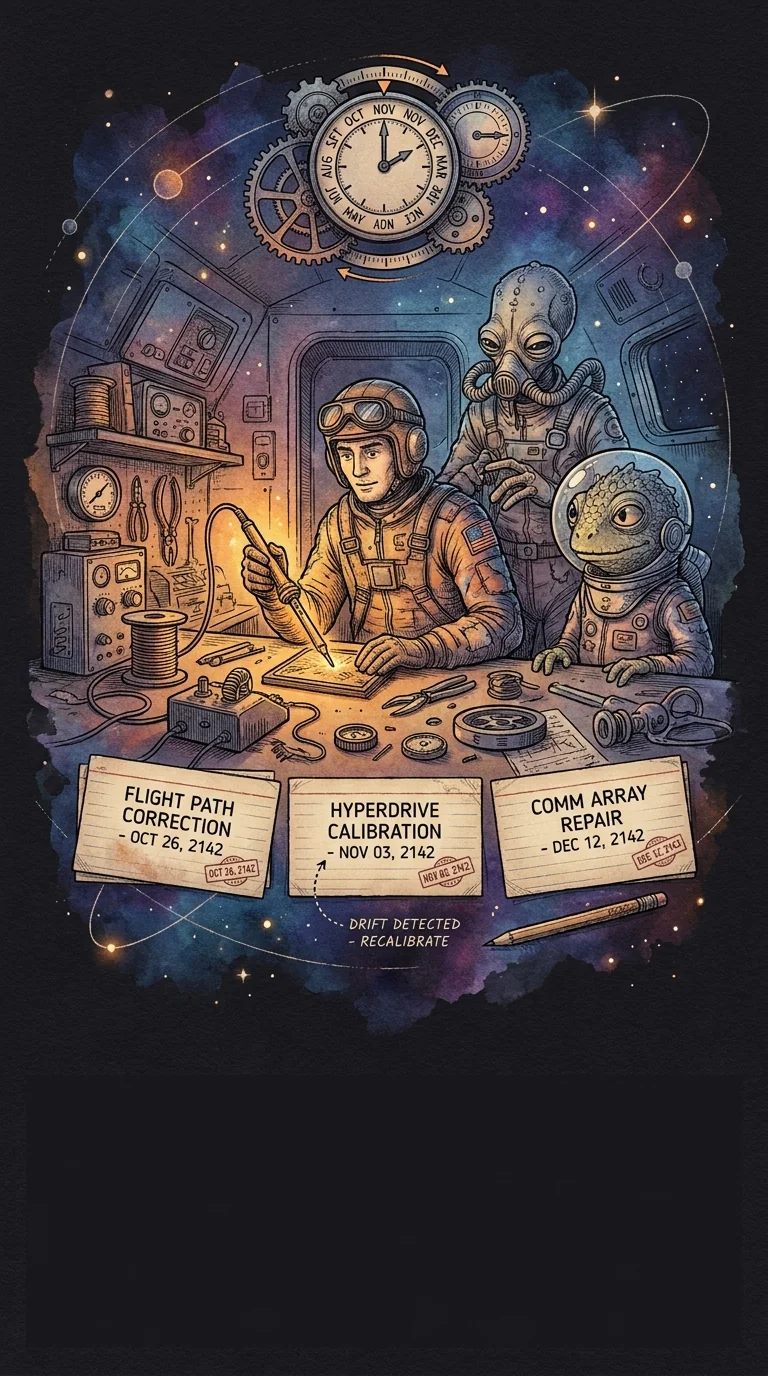
Here's how it works: pick three beliefs — about who deserves dignity, about when violence is acceptable, about what "them" means. Write each one plainly. Every few months, reread what you wrote. If a position has moved, you don't panic — you ask yourself whether you chose that shift, or whether it just happened to you.

Marcus sat down one evening and wrote three lines in a notebook: what he believed about fairness, about blame, about strangers. Eight months later, after a bitter stretch online, he reread them. Two lines still felt like him. One didn't. He couldn't remember deciding to change it — and that quiet shock was the most useful thing he'd felt in a year.
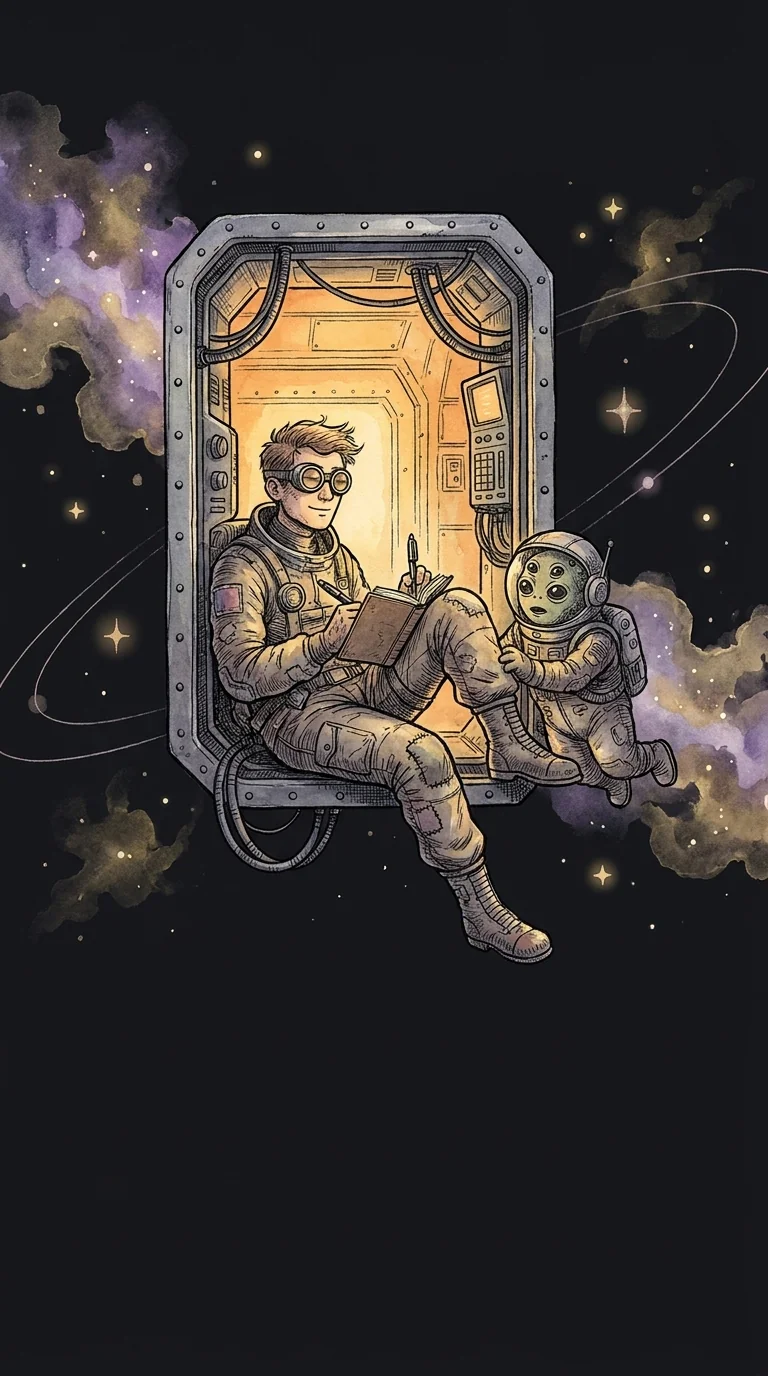
You don't need to be suspicious of every thought you have. You just need a honest record of where you started — so that if the ground moves, you'll feel it. Write your three lines tonight. Future you will be grateful for the reference point.