Identity Capture
Marcus used to play guitar, call his mom on Sundays, and argue about soup. Then he joined a crew that told him who he really was — and all that other stuff started to feel like noise.
Part 1: Identity Capture — Concept
+5 XP on completion
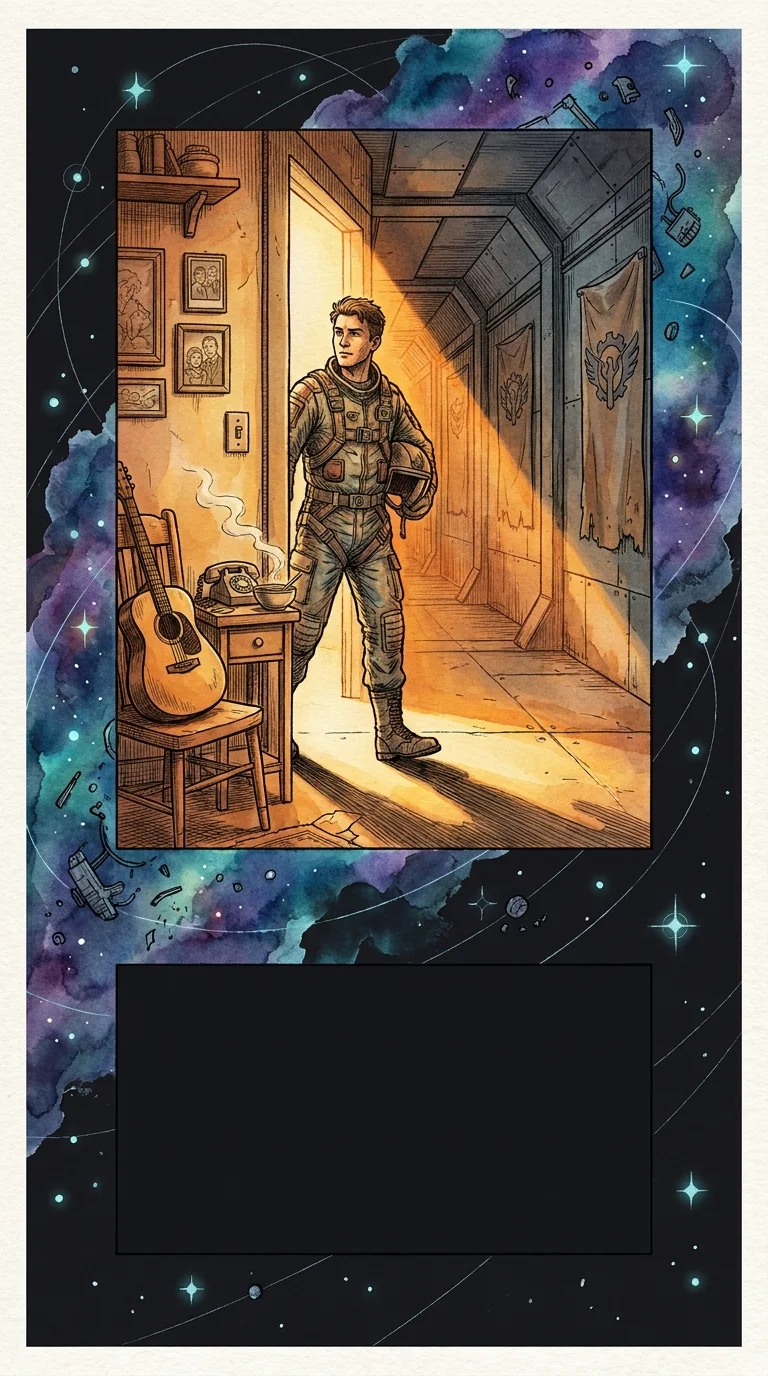
Marcus used to play guitar, call his mom on Sundays, and argue about soup. Then he joined a crew that told him who he really was — and all that other stuff started to feel like noise.
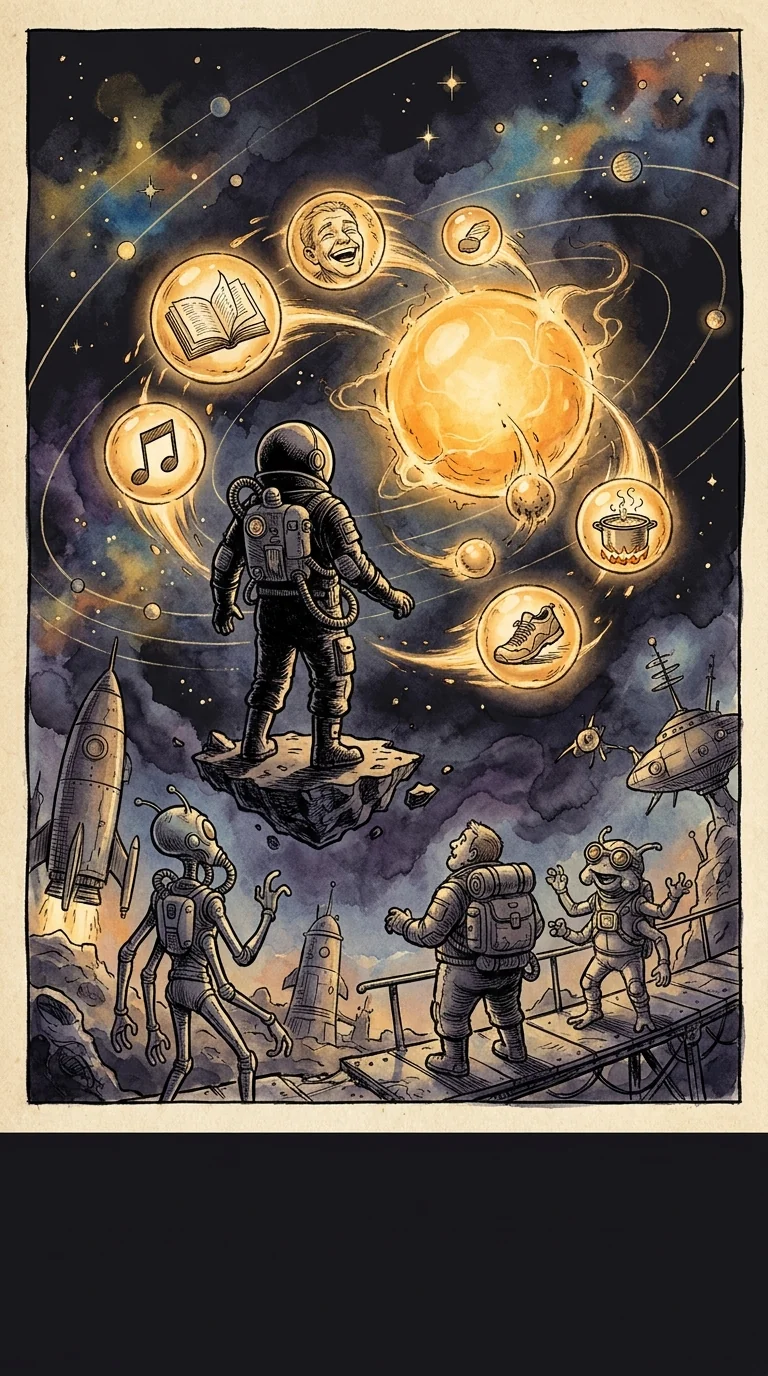
You're a dozen things — friend, cook, reader, someone who cries at that one song. Identity capture is what happens when a group slowly convinces you that only one of those labels is the real you, and the rest are distractions.
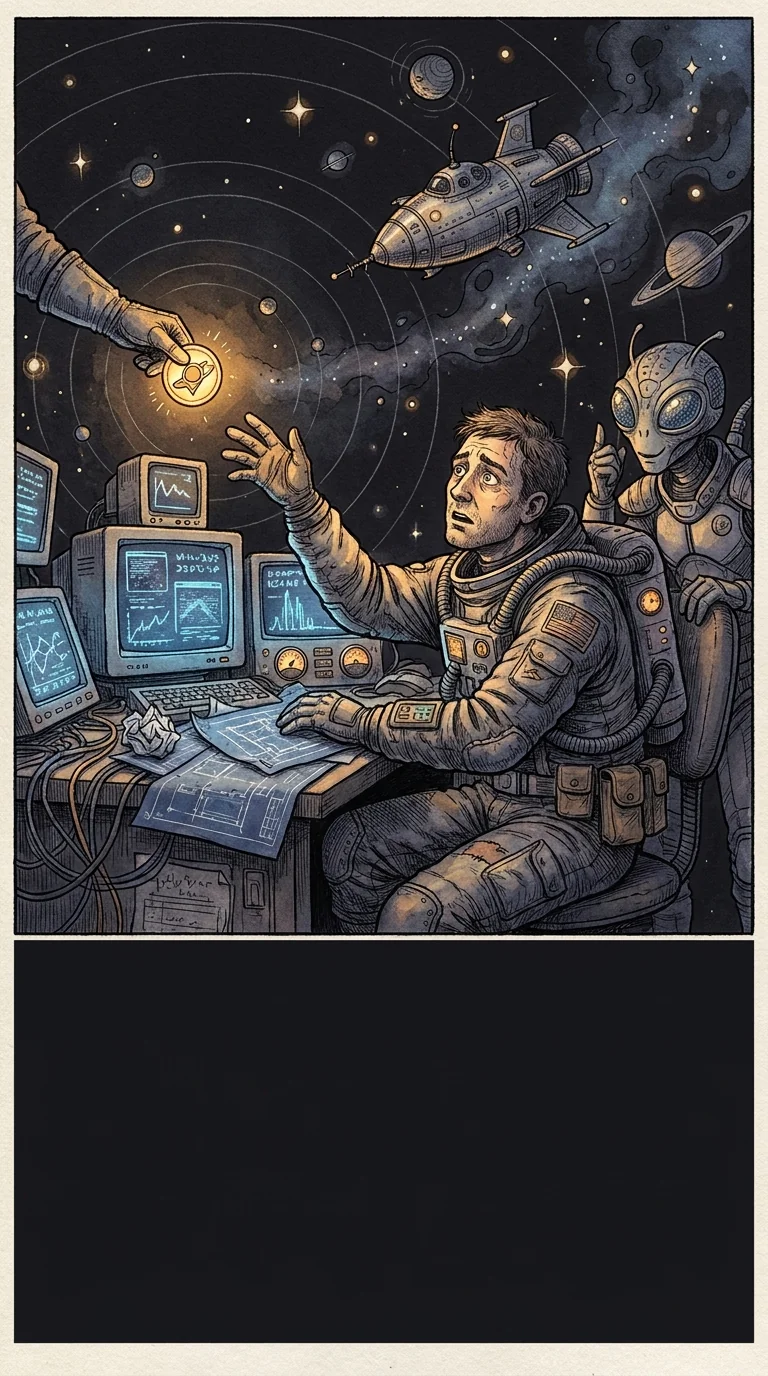
Here's what nobody admits: it feels like clarity. The group doesn't strip your identity away — it offers you a simpler one, and simplicity is a hell of a drug when you're overwhelmed.
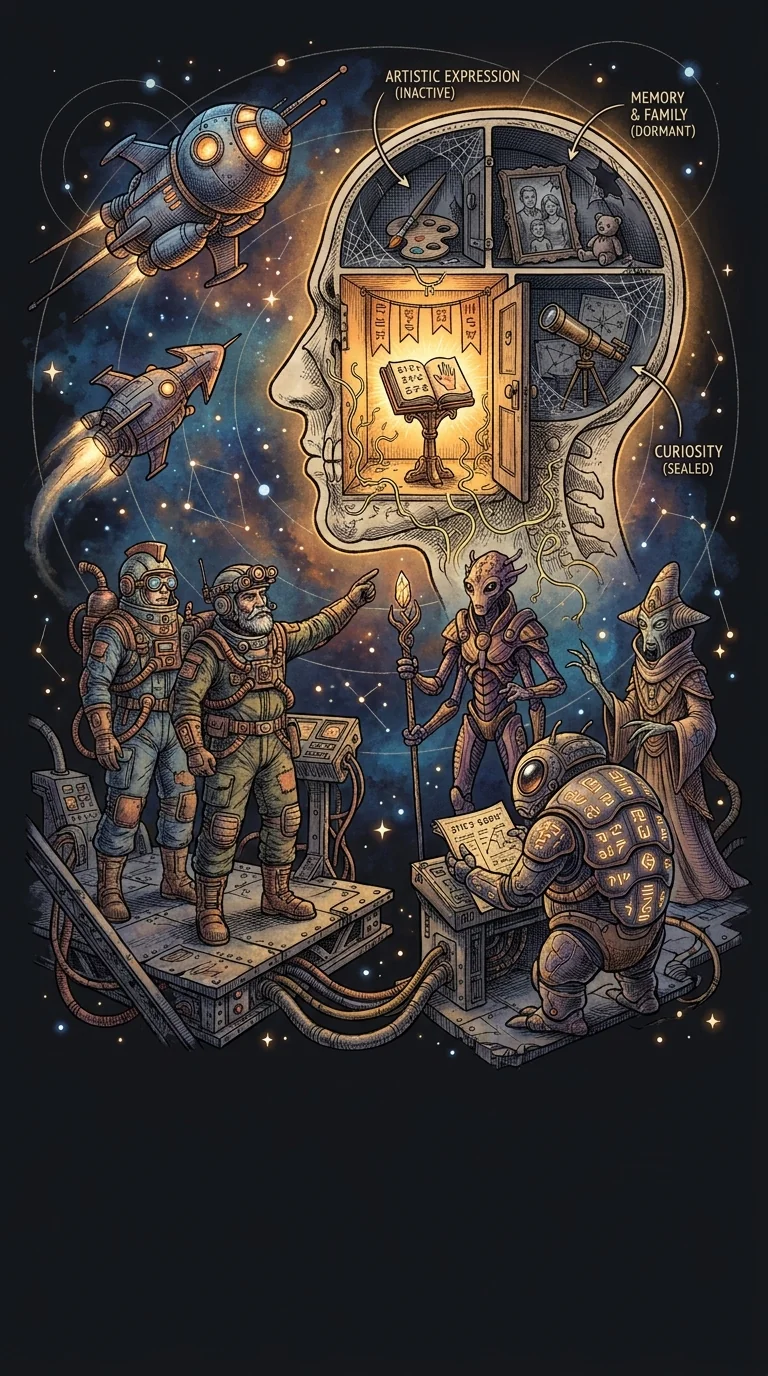
The mechanism is gradual: the group's language replaces your vocabulary, the group's enemies become your enemies, and every decision starts routing through one filter — "what would a real member do?" Your other selves don't get killed. They just stop getting oxygen.
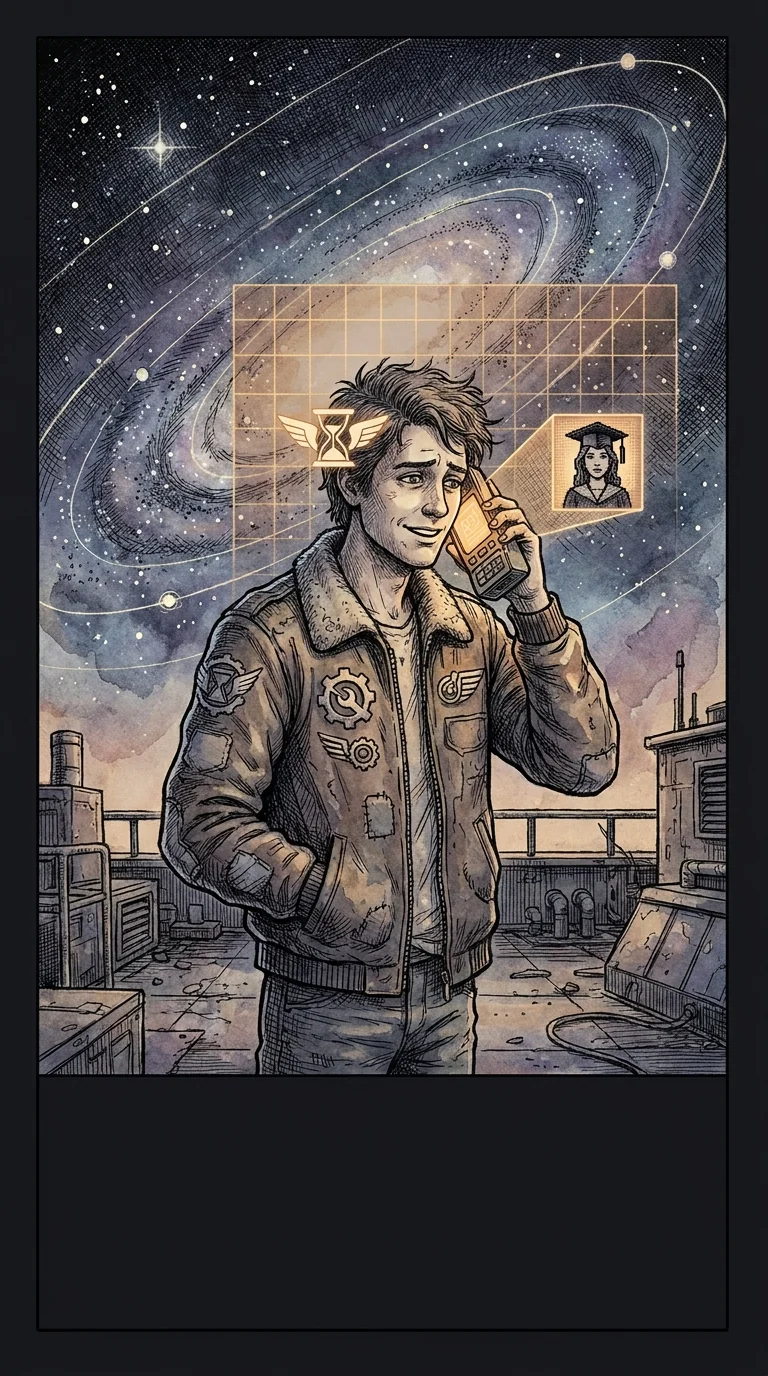
Marcus noticed it the night his sister called to say she got into med school. His first thought wasn't pride — it was whether the crew would approve of her career. He caught himself and felt something cold settle in his chest. That was the moment he realized the filter had been installed without his permission.
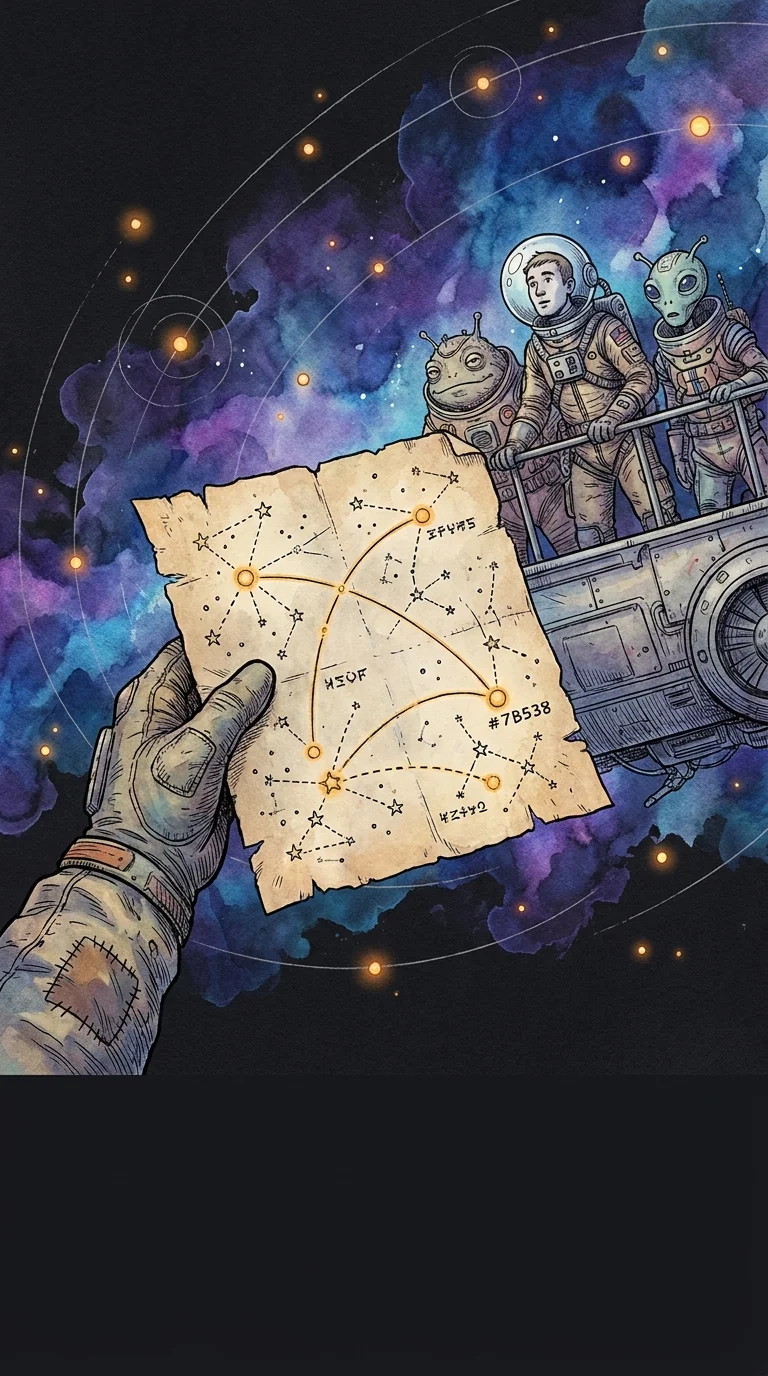
The good news: identity capture only works as long as you don't see it running. In Part 2, you'll practice an identity-mapping exercise that shows you which parts of yourself are still getting oxygen — and which ones have gone quiet. See you there.
Part 2: Identity Capture — Practice
+10 XP on completion
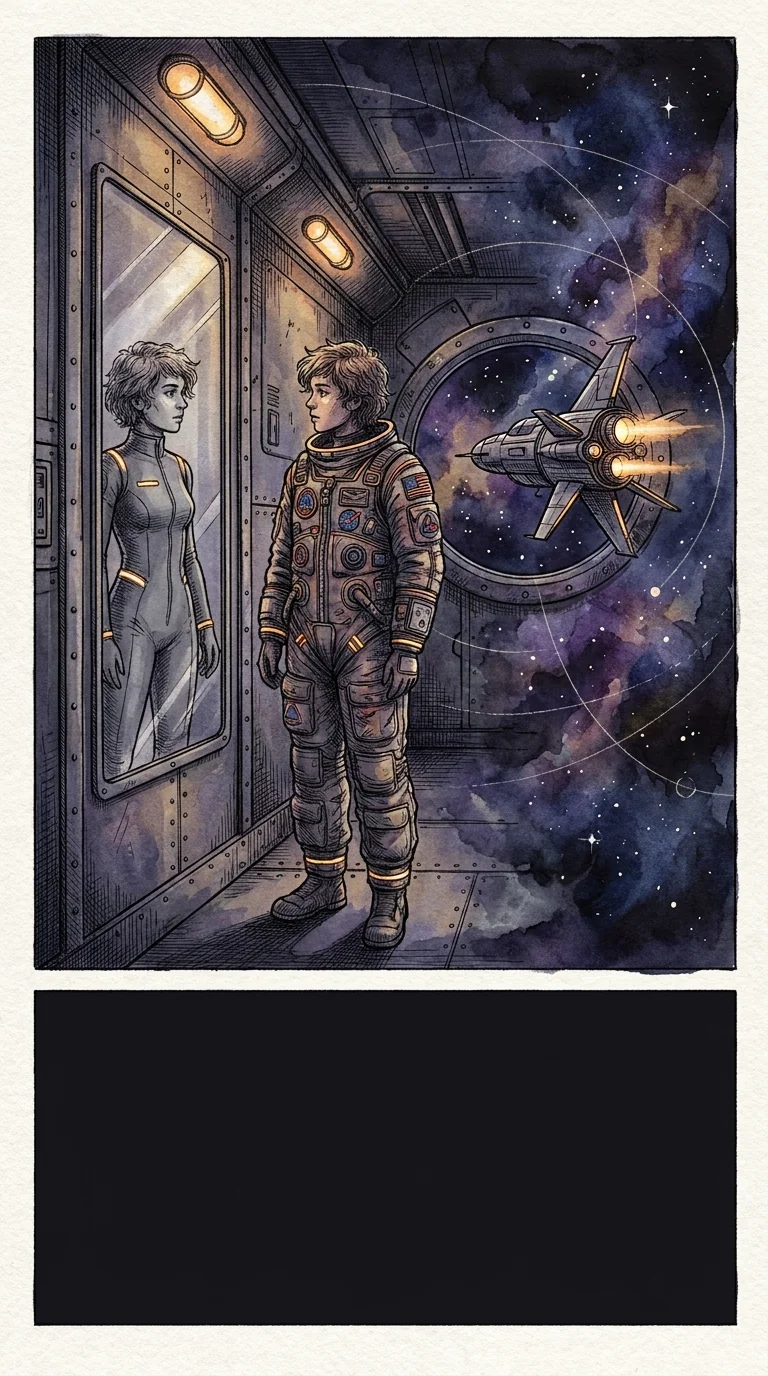
When one label swallows every other thing you are, you stop being a person and start being a uniform. Today you're going to map what's still yours.
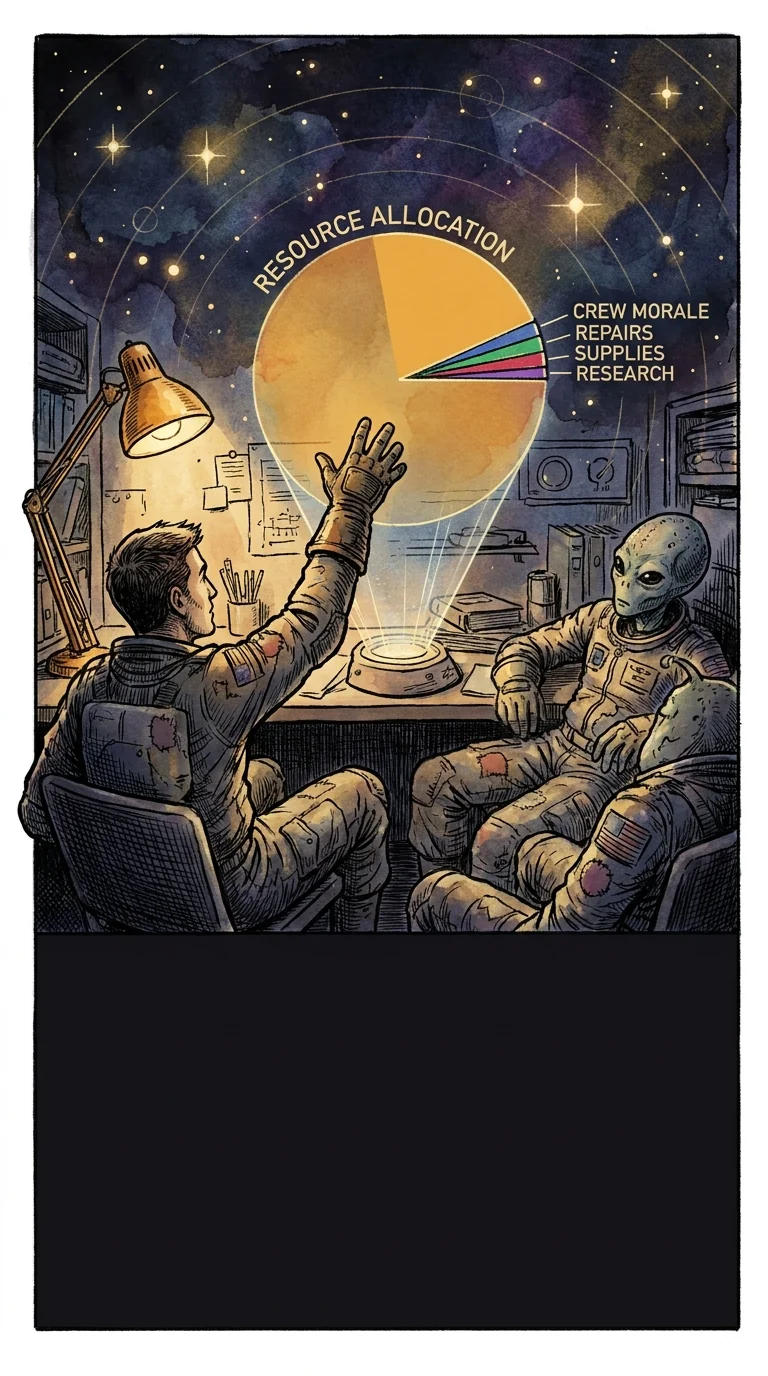
Identity capture works because it's comfortable — one answer for every question. But comfort and accuracy aren't the same thing, and the parts of you that got edited out don't actually disappear. They just stop getting oxygen.
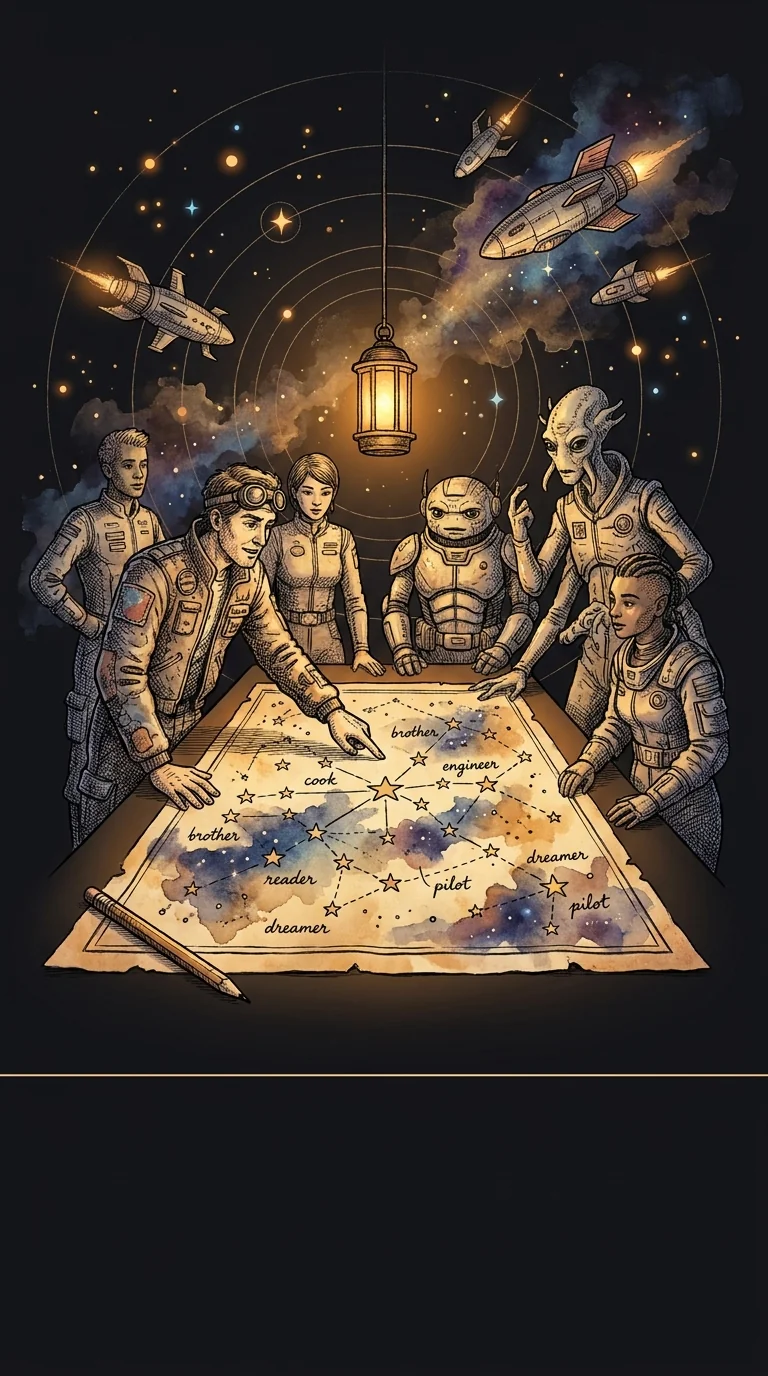
The technique is called the Identity Constellation. You list every role, interest, and connection that matters to you — then you check which ones have been shrinking. The ones that shrank didn't get less real. They got less permission.
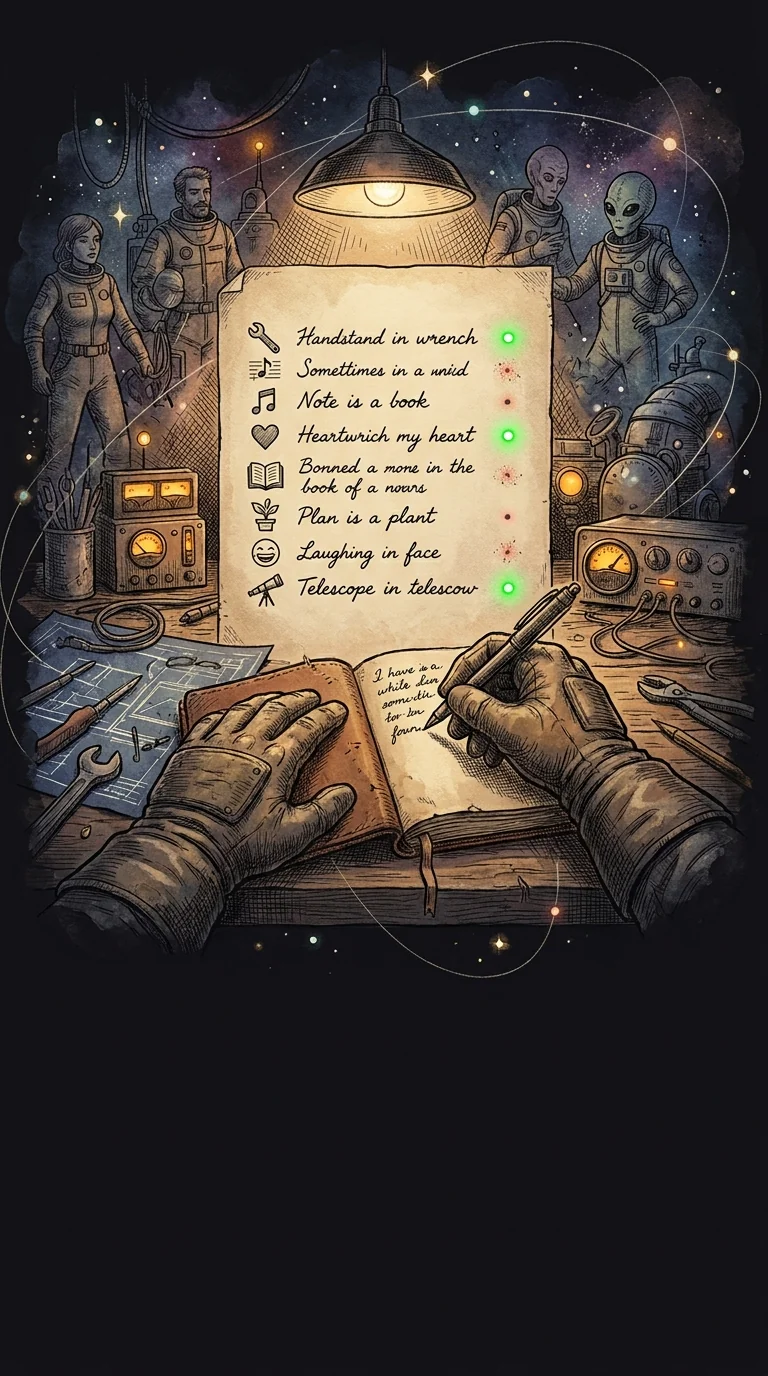
Here's how: write down at least seven things you are — roles, hobbies, relationships, quirks. Rate each one: growing, stable, or starving. If more than two are starving, something is feeding on them. Name what's feeding.
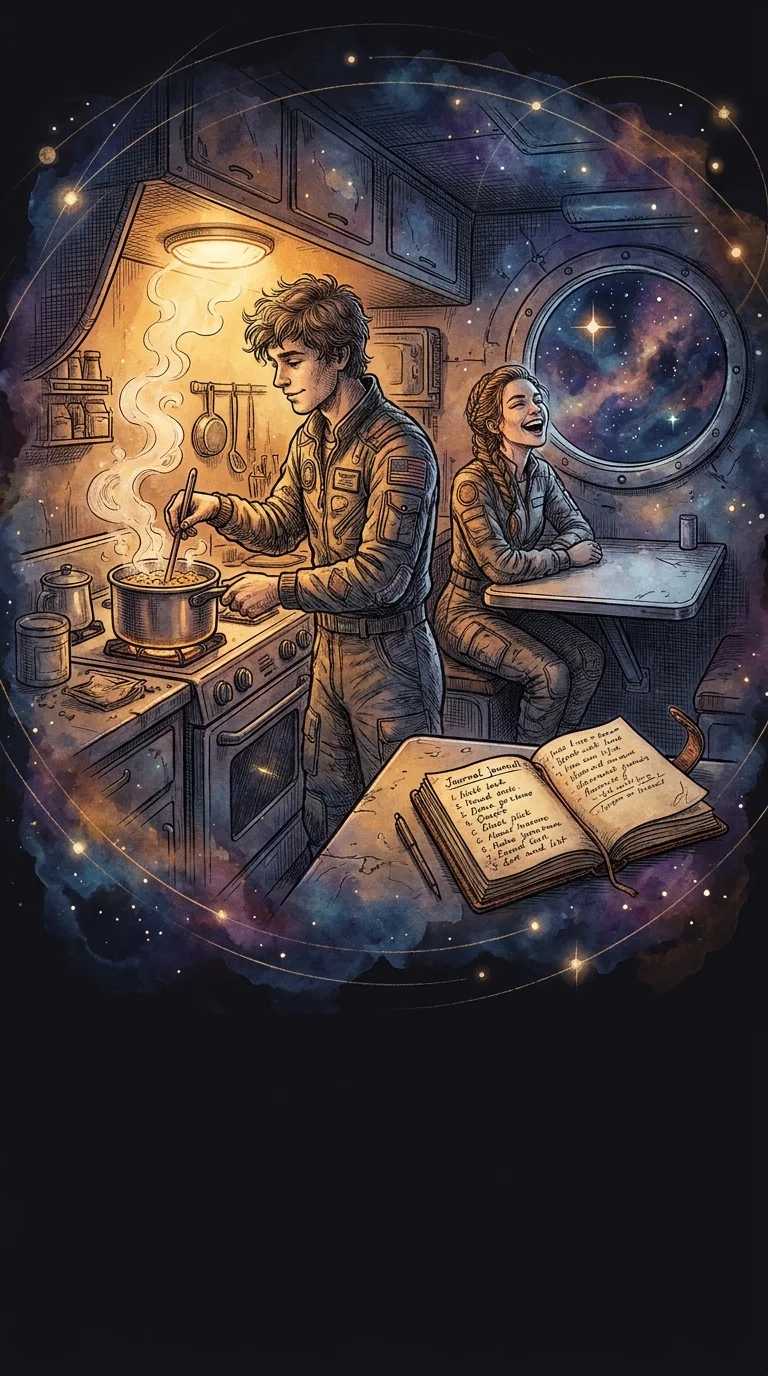
Marcus tried it and wrote down nine things. Activist was growing. Brother, musician, amateur chef, neighbor — all starving. He hadn't cooked for anyone in months. That night he made his sister dinner. It felt like finding a room in his own house he'd forgotten existed.
You are not one thing. You never were. The constellation is already there — some stars just need you to look at them again so they remember how to shine.