The Echo Chamber
Marcus scrolled for six minutes looking for the weather. He surfaced forty minutes later, furious about something he'd never heard of an hour ago.
Part 1: The Echo Chamber — Concept
+5 XP on completion

Marcus scrolled for six minutes looking for the weather. He surfaced forty minutes later, furious about something he'd never heard of an hour ago.
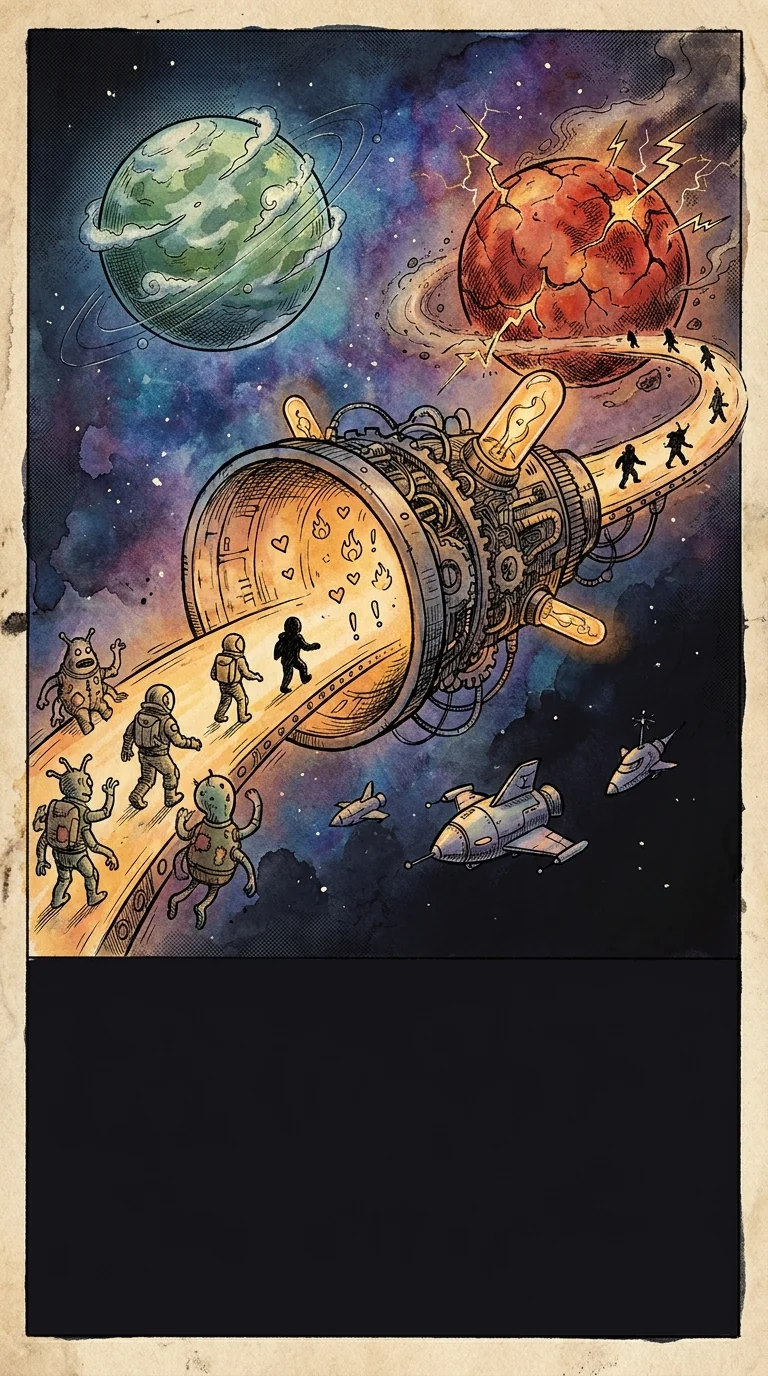
You probably think your feed shows you the world. It shows you the version of the world most likely to keep you tapping — and outrage keeps you tapping longer than almost anything else.
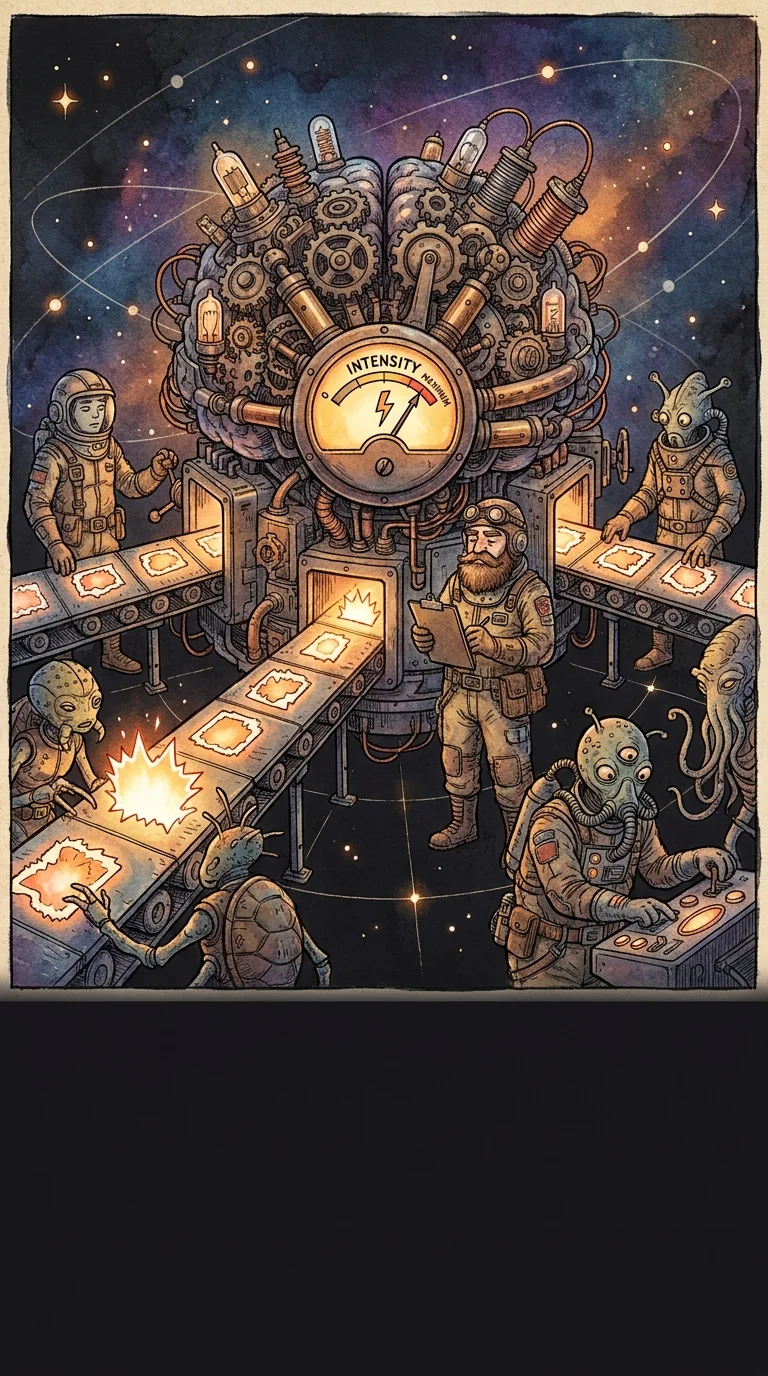
The algorithm isn't pushing an ideology. It's pushing engagement — and it learned that the fastest route to engagement is making you angry, then showing you ten more things that confirm the anger. Convenient, isn't it.
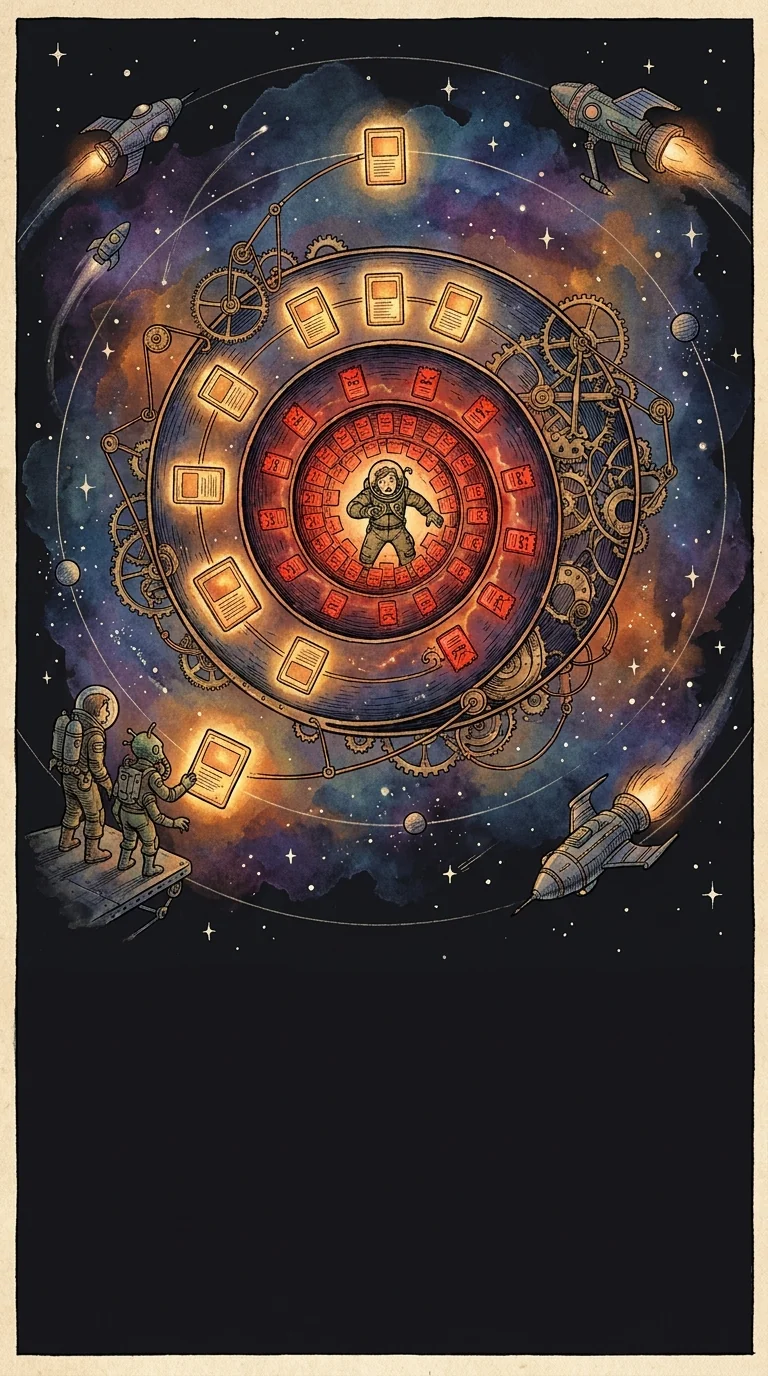
Here's the loop: you linger on something that bugs you. The system logs the linger. It serves you three more like it. You linger again. Within a week, your feed looks like a world that's specifically designed to confirm your worst suspicion — because it is.
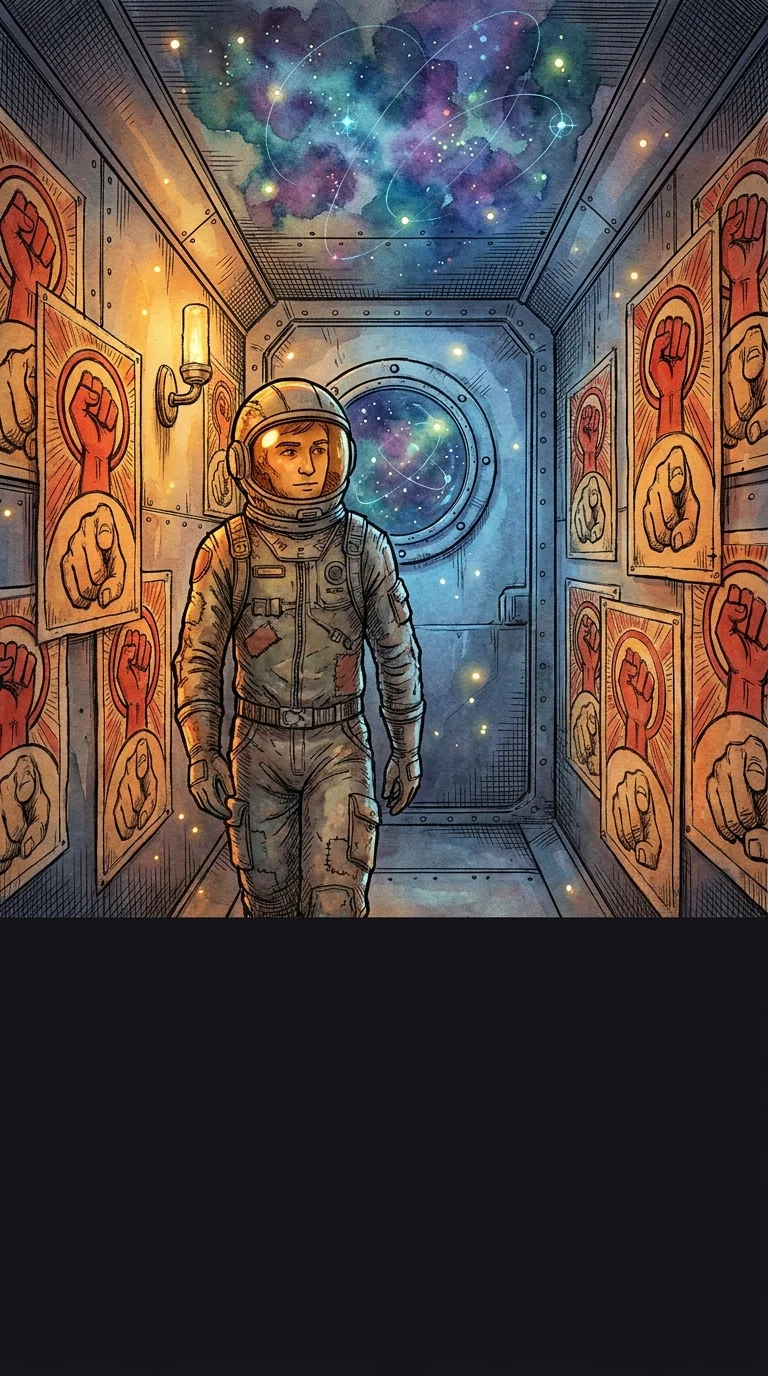
Marcus used to follow three news accounts. Within two months of clicking a handful of outrage posts, his entire feed had reorganized around a single narrative — one where a specific group was responsible for everything wrong in his life. He didn't choose that story. But he stopped noticing he hadn't.
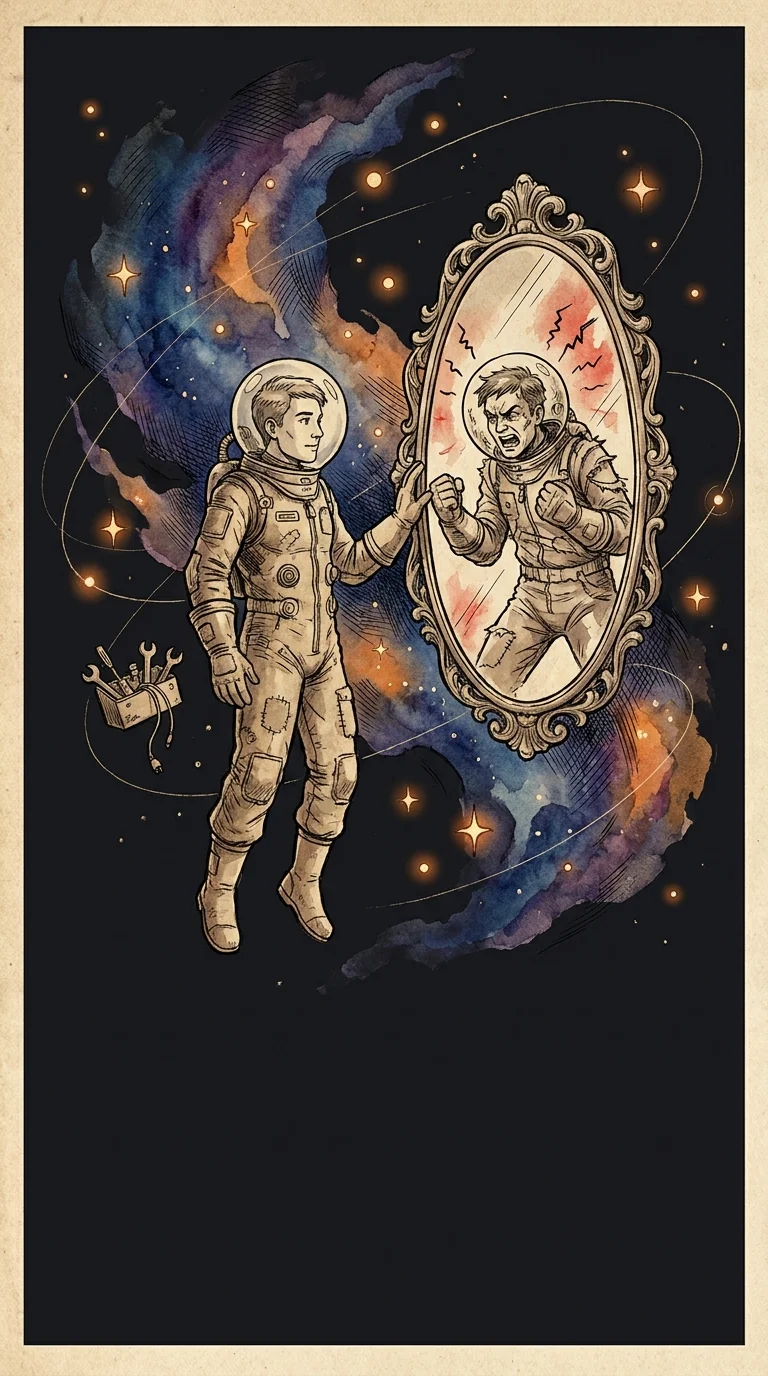
The feed isn't a window. It's a mirror that only reflects one expression back at you — and it gets sharper every time you look. In Part 2, you'll practice auditing your own feed for echo-chamber drift. See you there.
Part 2: The Echo Chamber — Practice
+10 XP on completion

The algorithm doesn't care what you believe — it cares what keeps you scrolling. So the question isn't whether your feed is shaping your worldview. It's how badly.
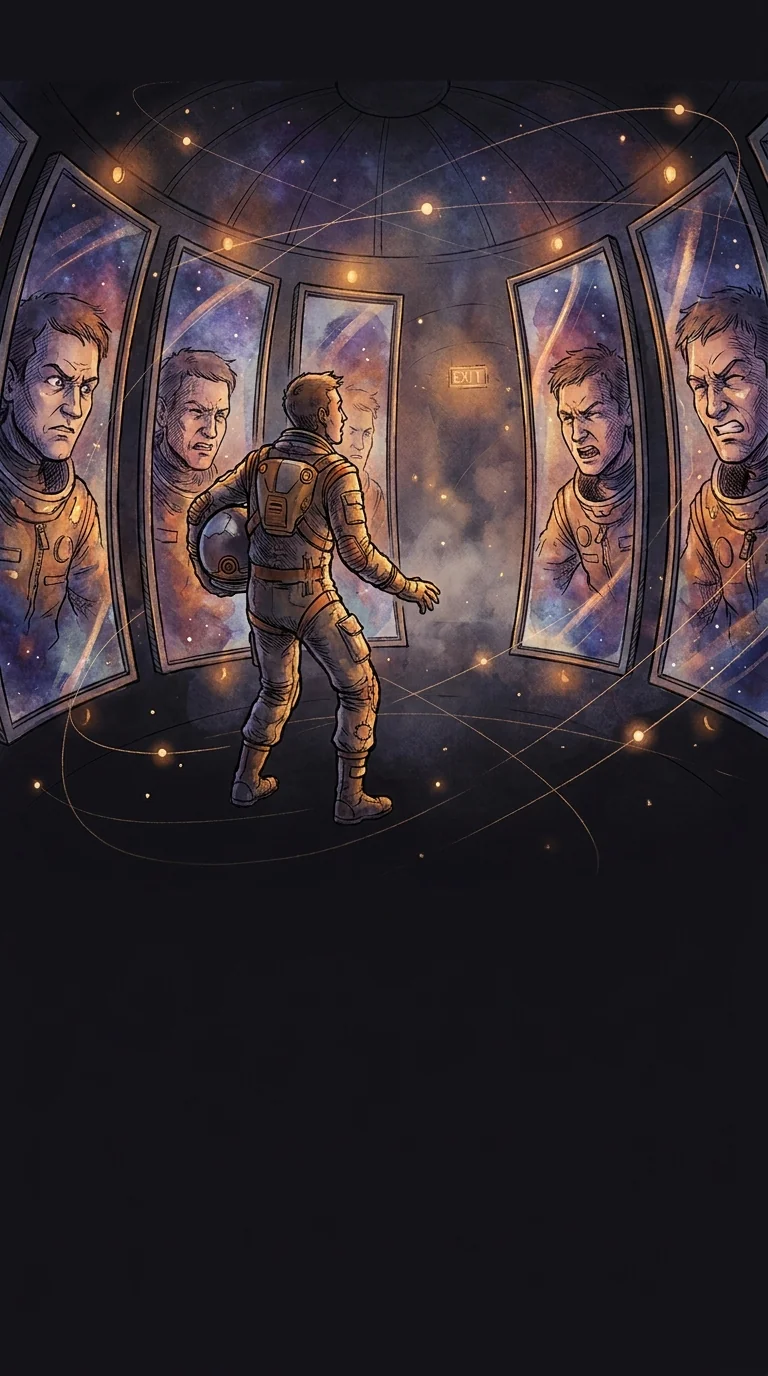
Most feed audits tell you to "diversify your sources." Adorable advice — like telling someone lost in a hall of mirrors to just look for the exit sign. You can't diversify what you can't even see clearly.
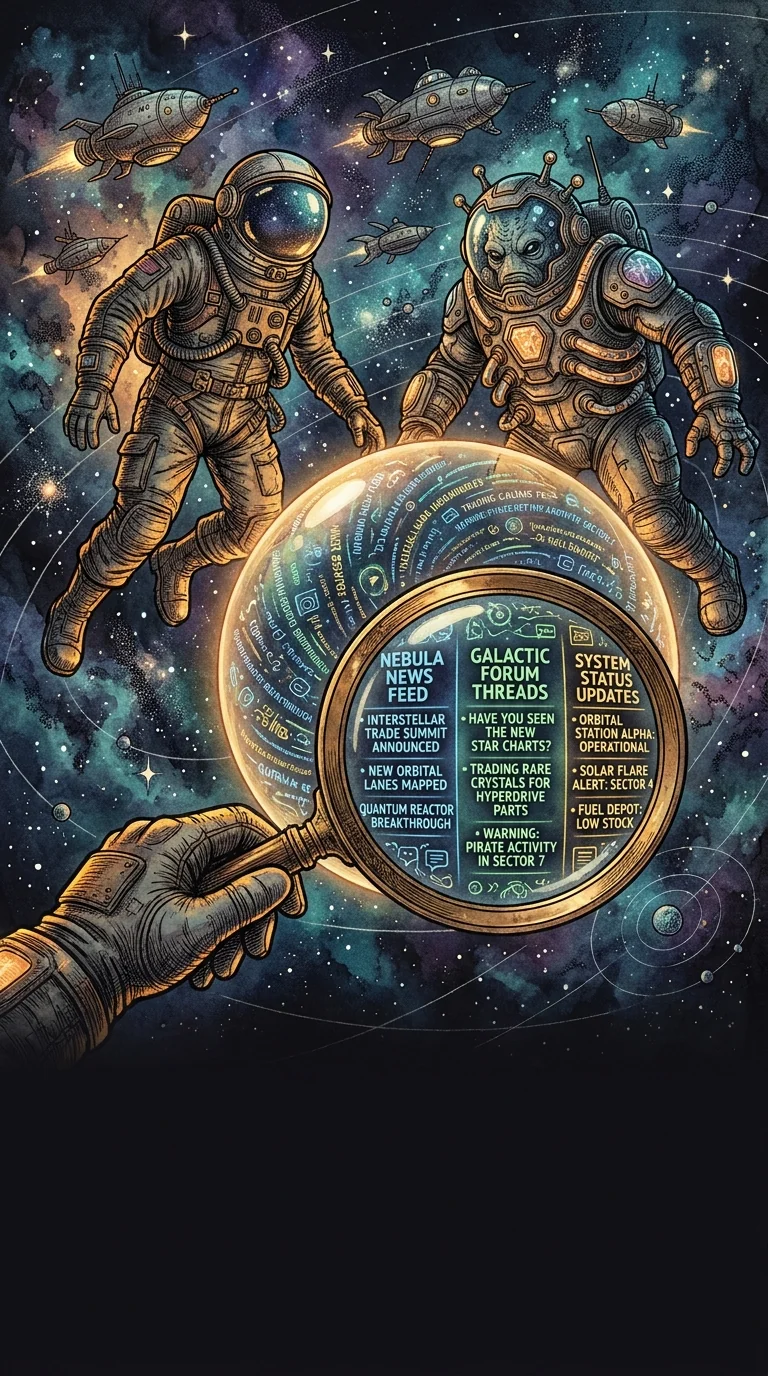
The trick is simpler and weirder: before you diversify, you catalog. You need to see the shape of the bubble before you can step outside it. That's where the Feed Forensics Drill comes in.

Here's the drill: scroll your primary feed for exactly two minutes. For every post, mark it — Agree, Disagree, or Outrage. Count the marks. If Agree plus Outrage make up more than 80%, congratulations: you've mapped the walls of your echo chamber.
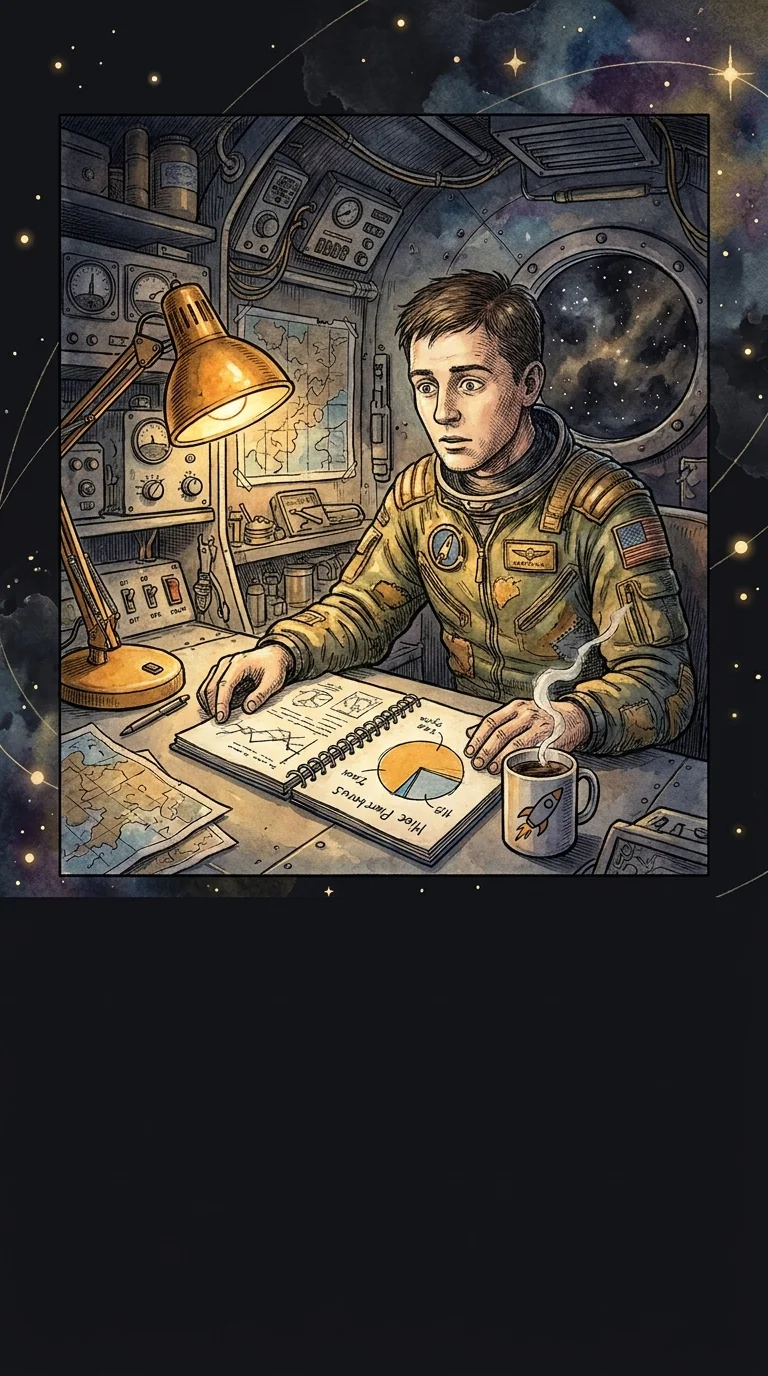
Marcus ran the drill on a Tuesday night. Forty-seven posts in two minutes — forty-one fell into Agree or Outrage. Six made him think. He didn't delete anything. He just finally knew the ratio, and the ratio changed how he read everything after.

You don't have to burn your feed down. You just have to see what it's been building around you. Once you can see the walls, you get to decide which ones stay.