The Long Game
You've spent twenty days learning how propaganda works, how it recruits, how it spoofs the signals your brain trusts most. And somewhere in the back of your mind there's a question you haven't asked out loud yet: does an
Part 1: The Long Game — Concept
+5 XP on completion

You've spent twenty days learning how propaganda works, how it recruits, how it spoofs the signals your brain trusts most. And somewhere in the back of your mind there's a question you haven't asked out loud yet: does any of this actually stick?
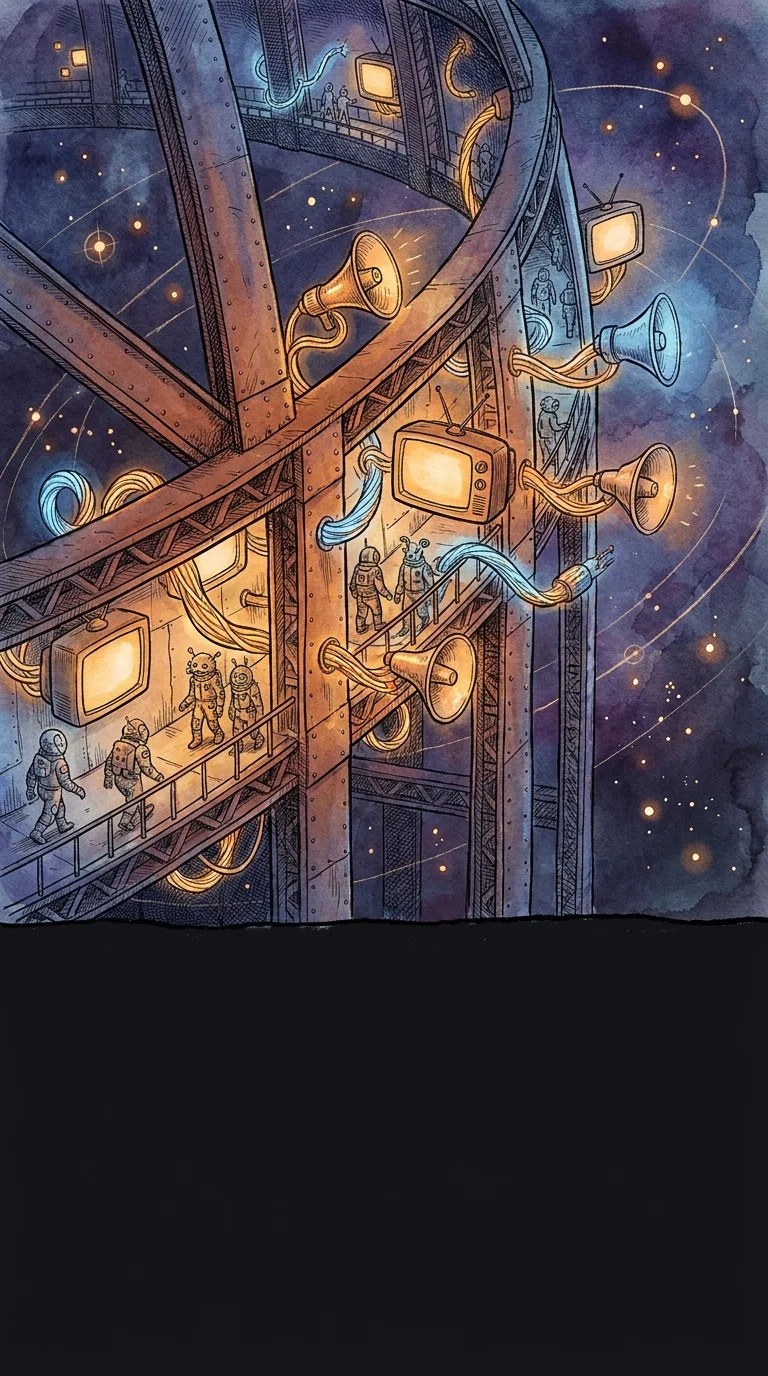
Here's what nobody admits: the manipulation apparatus doesn't have an off switch. The incentive structures that produce propaganda — attention economies, tribal reward loops, political power games — they're load-bearing walls in the building you live in. You can't demolish them and still have a roof.

So the real question was never "how do I escape it." It was always "how do I live well inside it." That reframe changes everything — because it stops treating critical thinking as a one-time inoculation and starts treating it as maintenance. Like brushing your teeth, except for your reasoning.
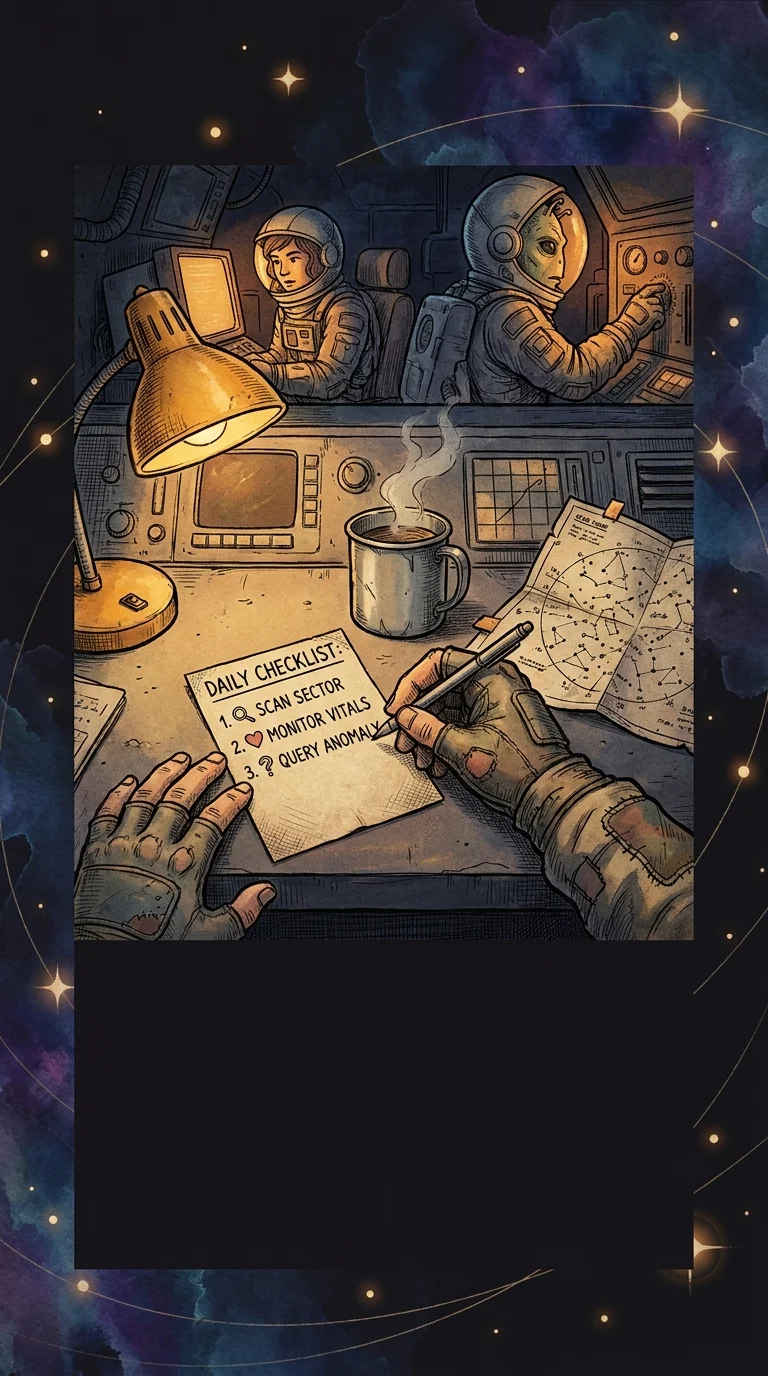
The mechanism is unglamorous and that's why it works: you build a small recurring practice. Check sources before sharing. Notice the emotional spike before acting on it. Ask "who benefits from me feeling this way right now?" You don't need to be brilliant. You need to be consistent.
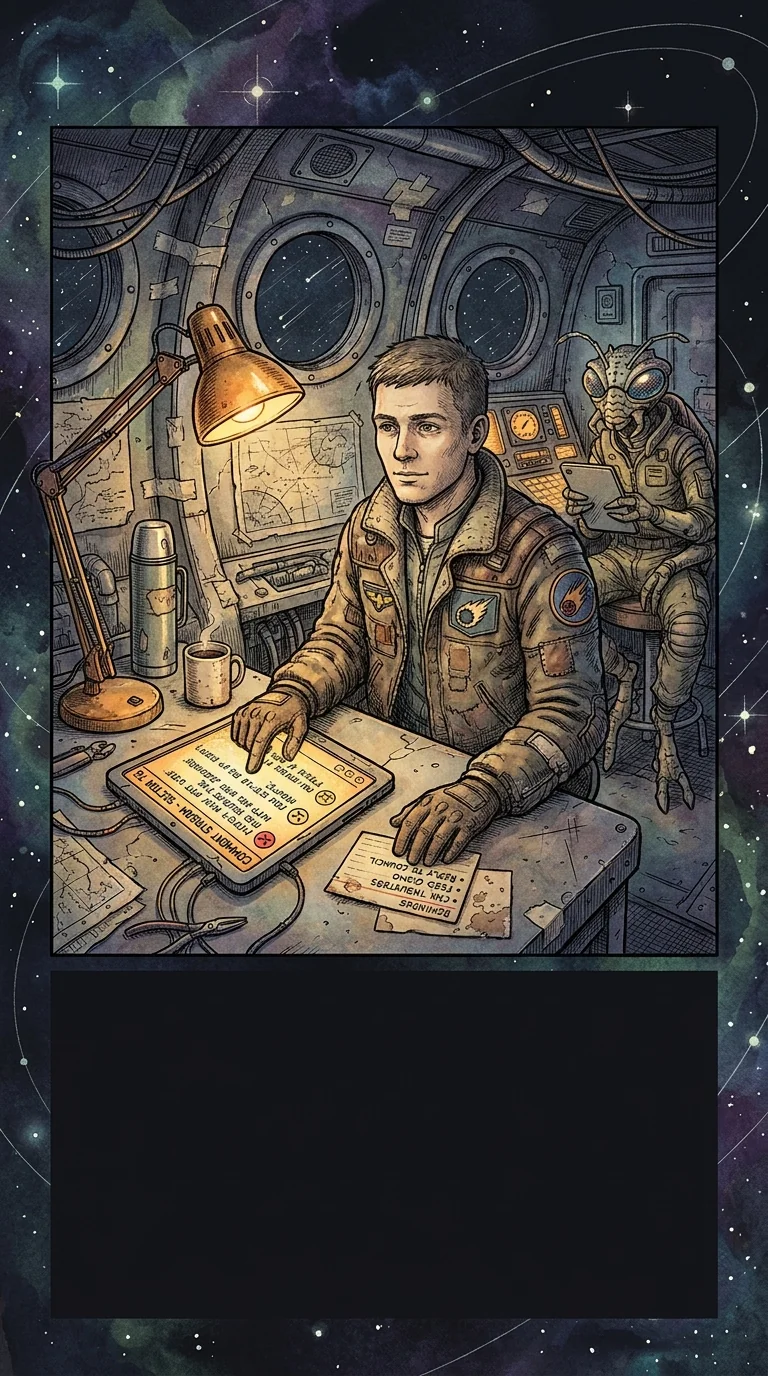
Marcus almost got pulled in once — a slick recruitment thread that made rage feel like purpose. He caught it because he'd built the habit: pause, check the source, name the emotion. It wasn't heroic. It was Tuesday. That's the whole point.
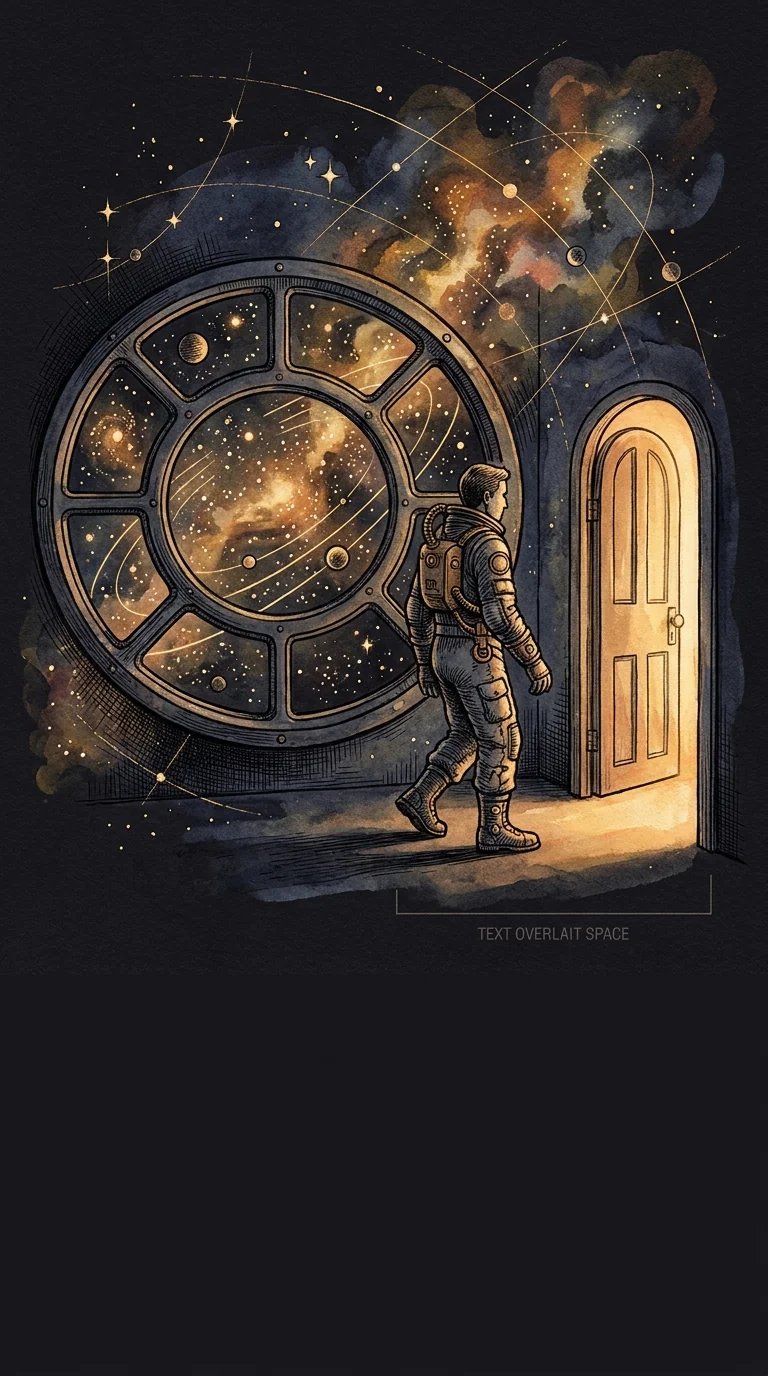
The spoofed signals aren't going away. But you've learned how they work, and that changes what they can do to you. In Part 2, you'll build your personal long-game maintenance plan — the small, repeatable practices that keep your filters clean for good. See you there.
Part 2: The Long Game — Practice
+10 XP on completion
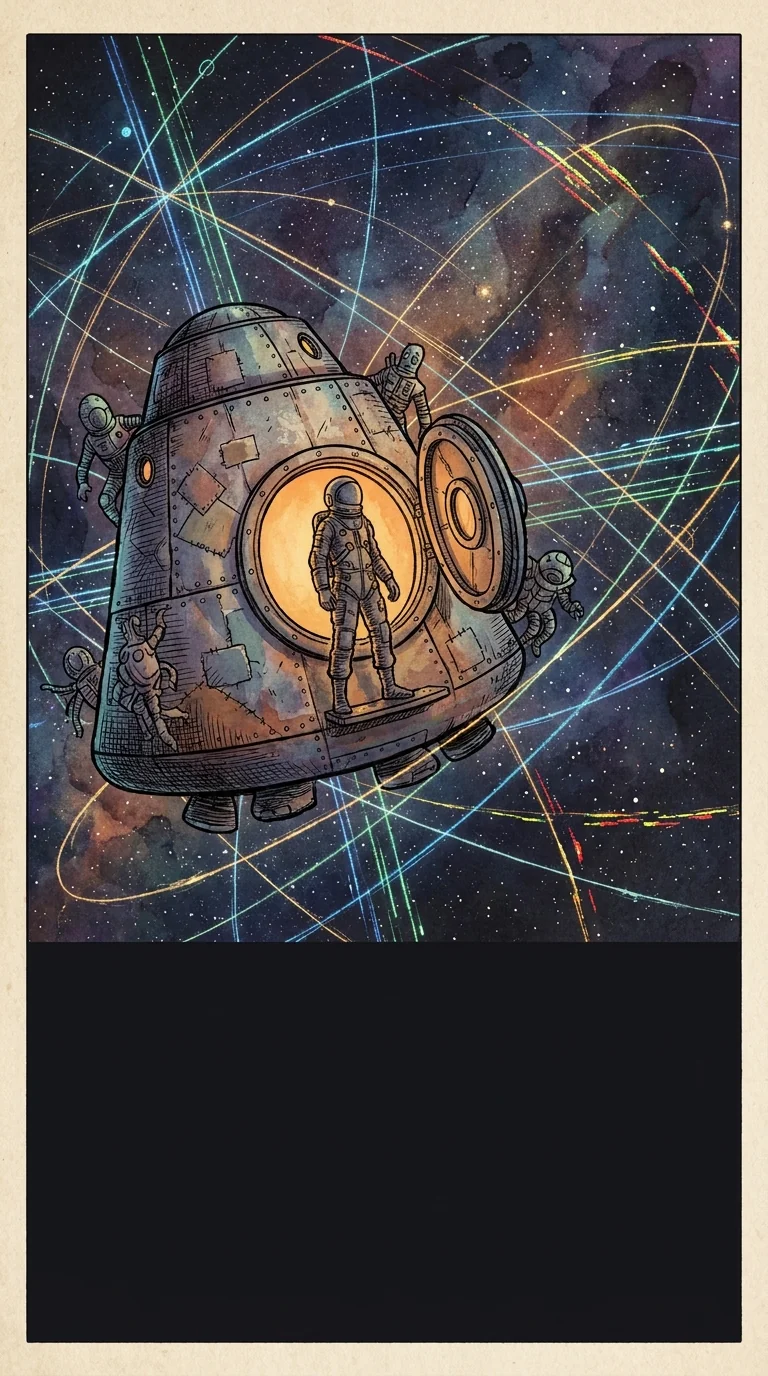
The signal noise isn't going away — ever. So the real question is: what does a life look like when you stop waiting for the static to clear and start building anyway?
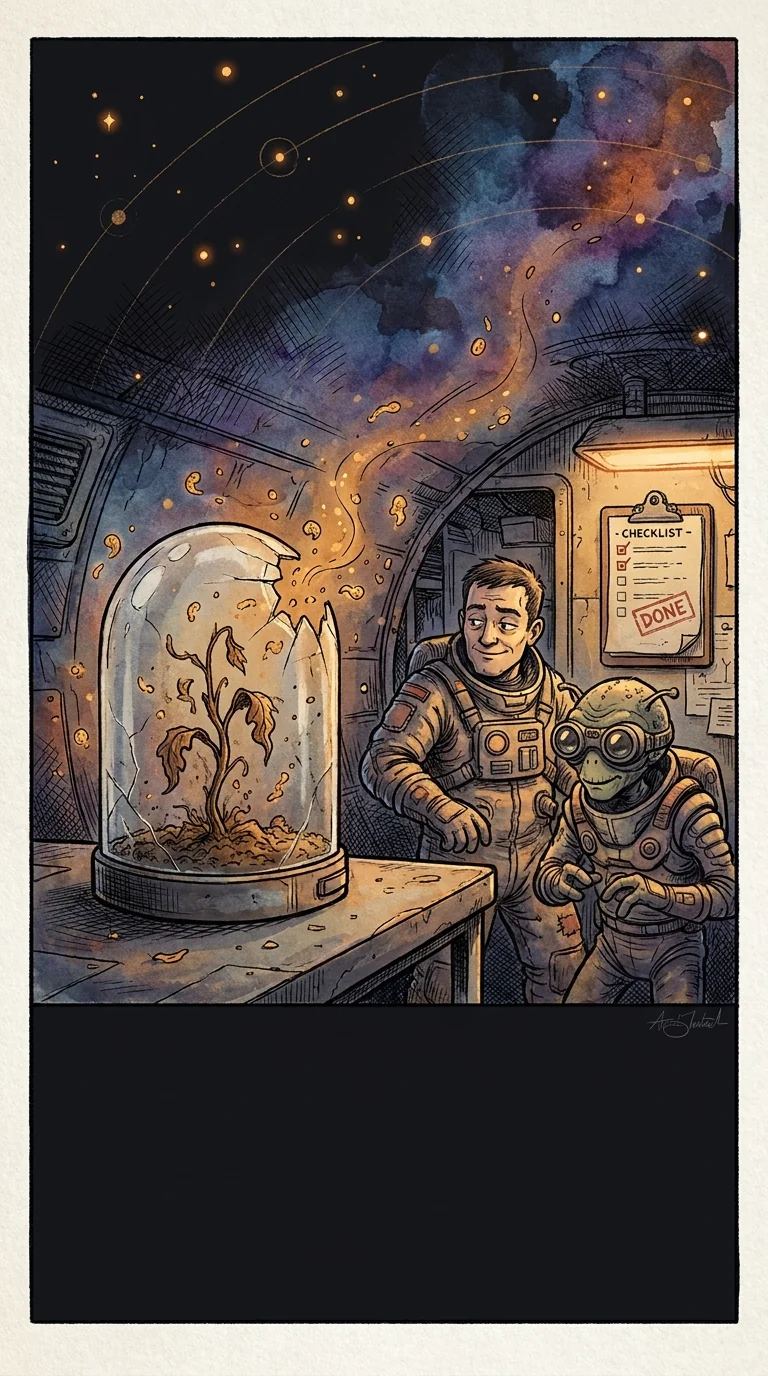
Most defensive strategies assume an end state — learn the trick, beat the trick, move on. But manipulation adapts. A one-time inoculation against a shape-shifting virus is just a comforting story you tell yourself.
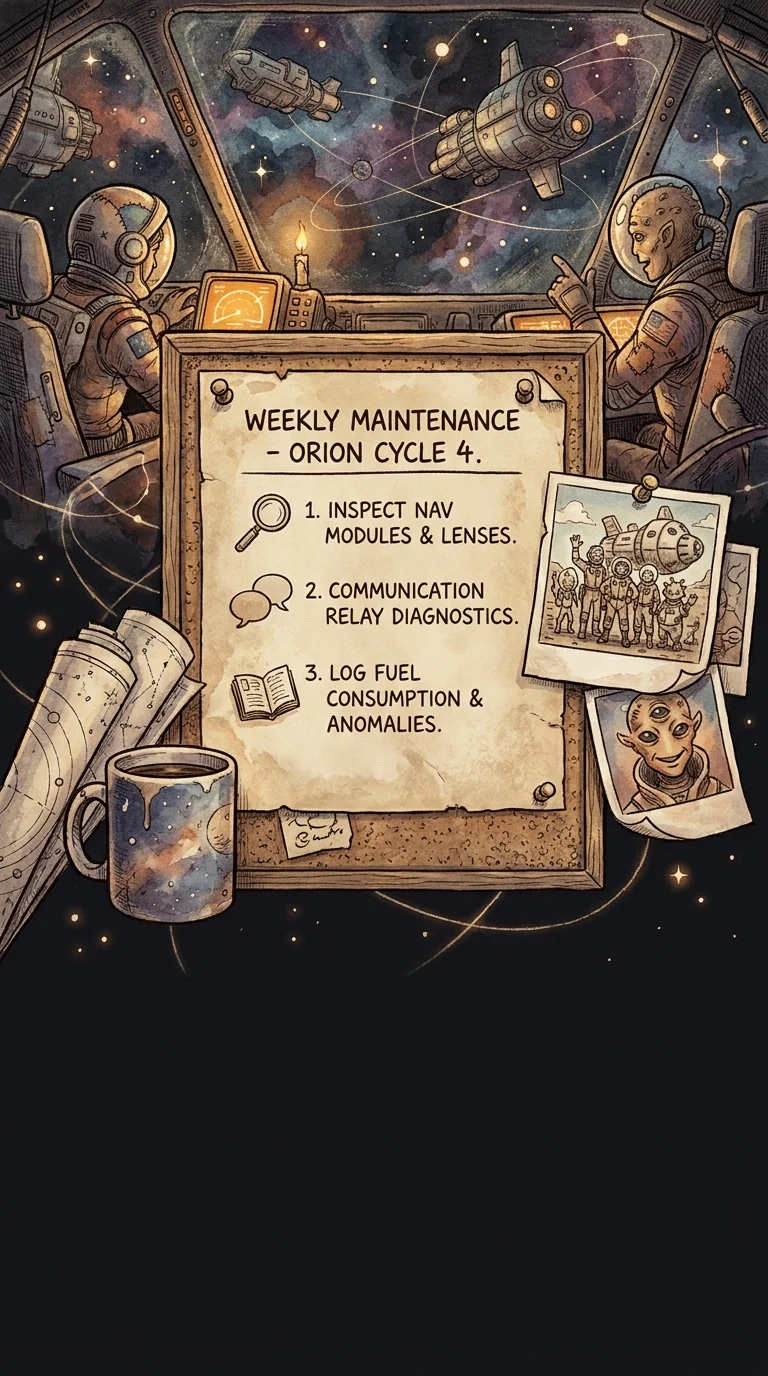
The technique is called the Maintenance Protocol. It's not a shield — it's a practice. Three recurring habits that keep your filters calibrated for a lifetime, not just a semester.
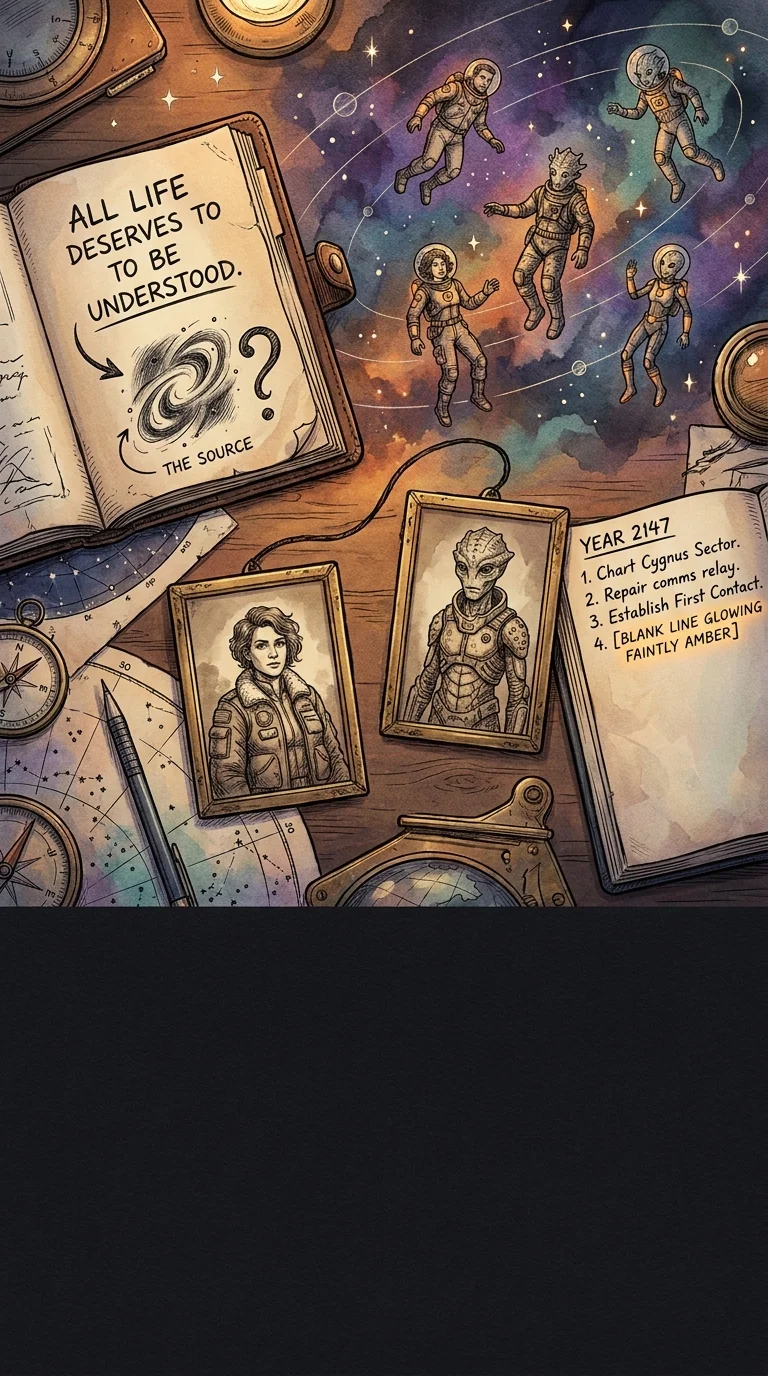
Step one: once a month, audit one belief you hold strongly — not to abandon it, but to find where you got it and whether the source still holds up. Step two: keep at least one genuine relationship with someone who sees the world differently than you do. Step three: write down what changed your mind this year. If the list is empty, that's your warning light.

Marcus runs the protocol every January. Last year his audit caught a statistic he'd been repeating for a decade — traced it back to a blog that cited nothing. His friend Sarah, who disagrees with him on almost everything political, was the one who helped him find the real numbers. His "changed my mind" list had four entries. He said that felt like enough.

Twenty-one days ago you walked in wondering how to spot the lie. Now you know something harder and more useful: how to maintain a mind that keeps spotting them, year after year, without losing its kindness. That's not a course completion. That's a way of living.