The Outrage Machine
Marcus scrolled past three verified news stories without pausing. The fourth one — unverified, inflammatory, and wrong — he shared in under four seconds.
Part 1: The Outrage Machine — Concept
+5 XP on completion
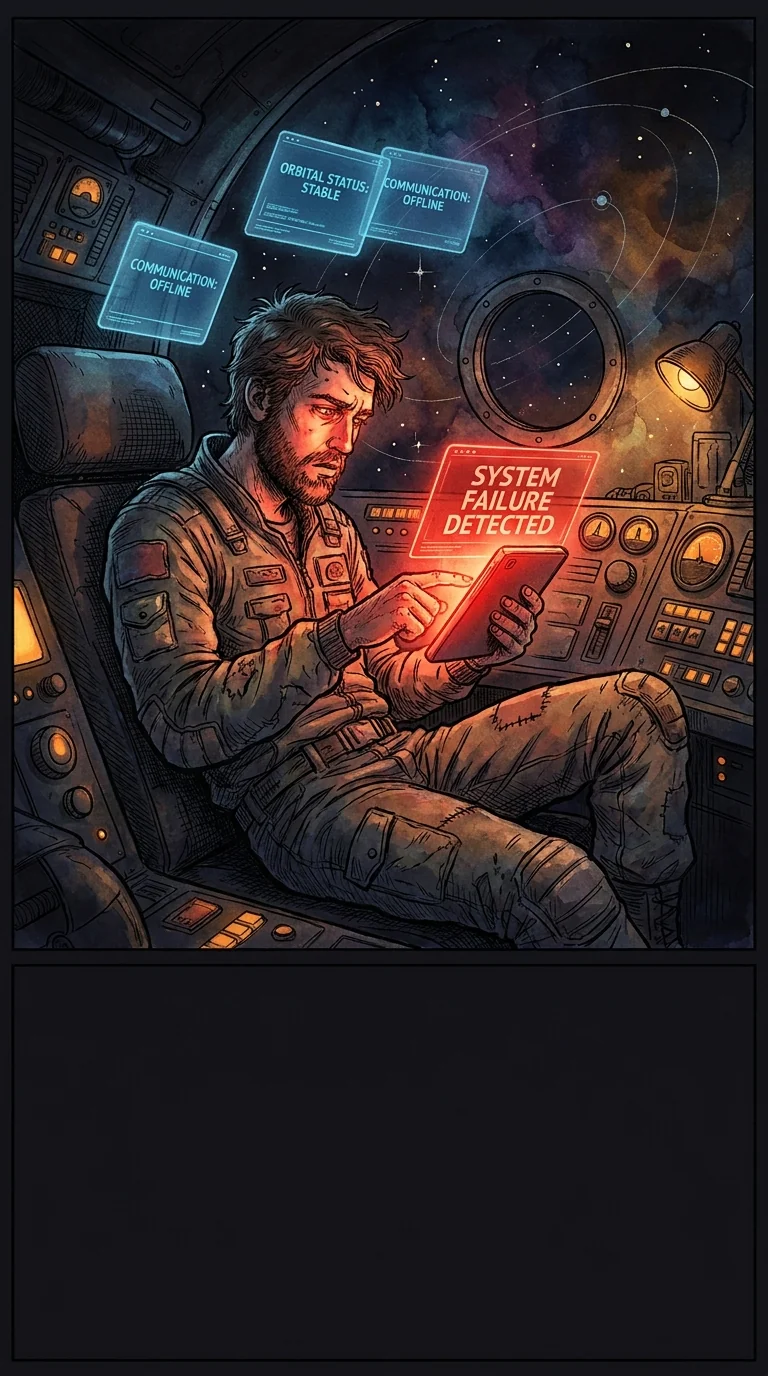
Marcus scrolled past three verified news stories without pausing. The fourth one — unverified, inflammatory, and wrong — he shared in under four seconds.

Here's what the data says and it's not flattering: MIT researchers tracked 126,000 stories spread by roughly three million people. False news reached 1,500 people six times faster than the truth. Not because of bots — because of us.
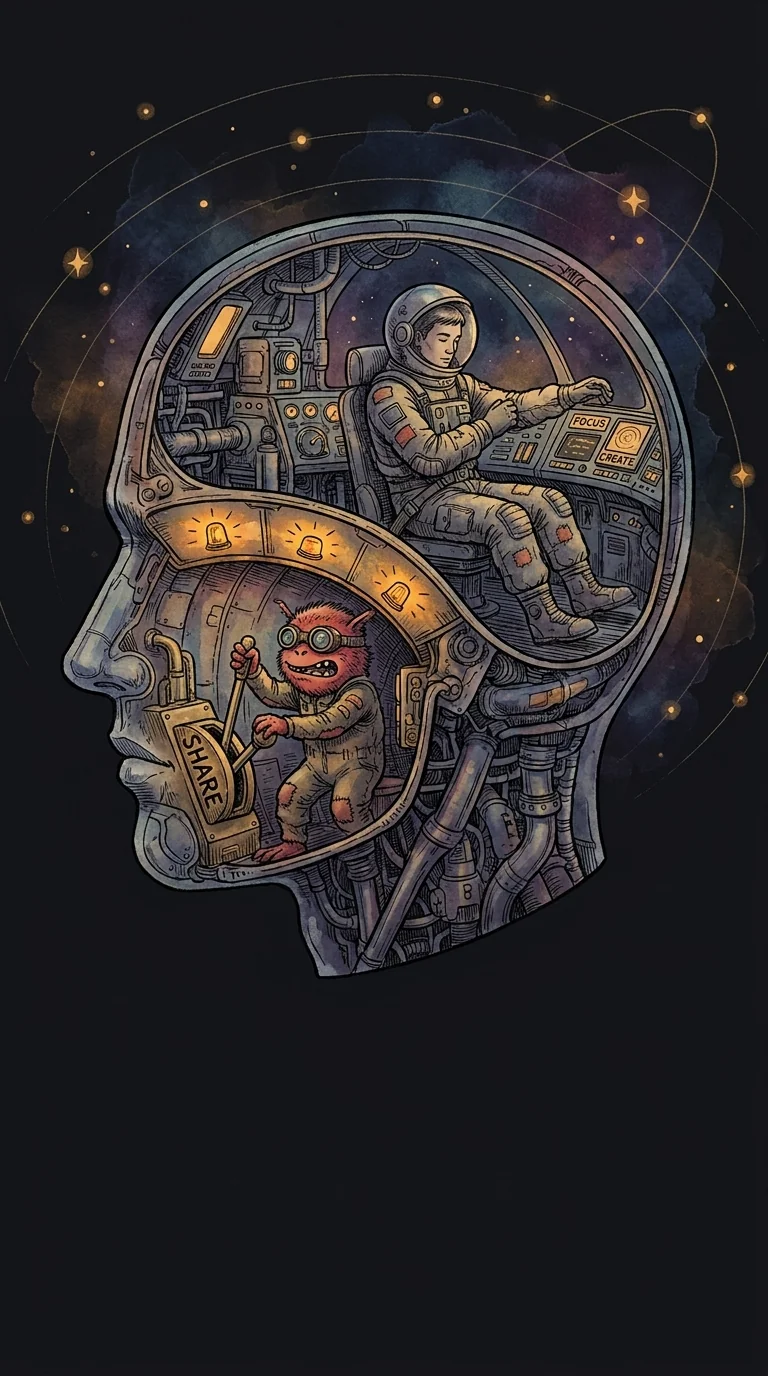
The insight isn't that algorithms push rage. They do, but that's chapter two. Chapter one is that your brain treats outrage as a survival signal — novel, threatening, socially urgent — and shares it before your prefrontal cortex even clocks in for the shift.

Emotional content outperforms factual content by a factor of six in engagement metrics. Platforms reward engagement. So the machine isn't broken — it's working exactly as designed, and what it's designed to amplify is the feeling in your chest, not the accuracy in the headline.

Lisa noticed it on a Tuesday. She'd shared an article about a policy she hated — then found the retraction an hour later. The original had 40,000 shares. The correction had 200. She stared at the numbers and realized she was part of the machine she kept complaining about.
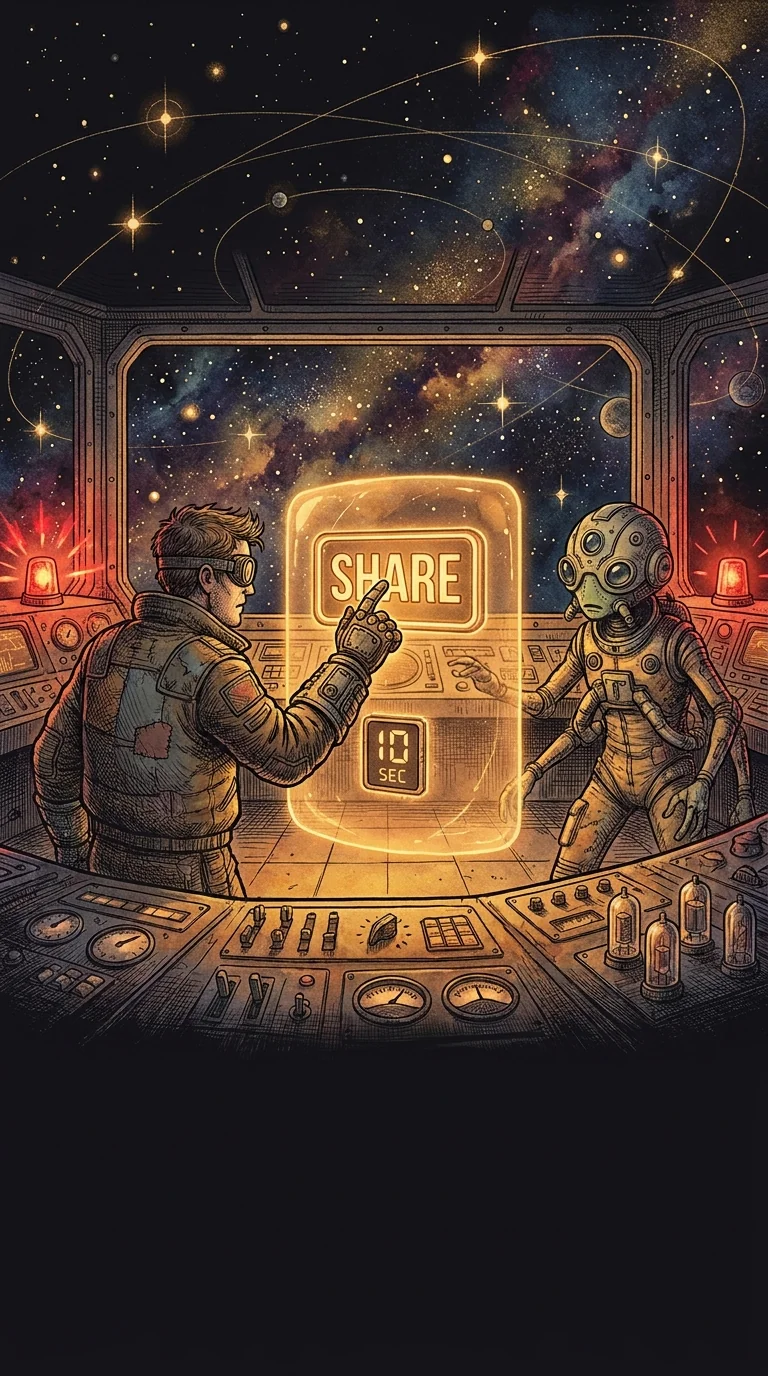
The outrage machine runs on your reflexes, not your reasoning. Knowing the ratio is step one. In Part 2, you'll practice a 10-second pause protocol that intercepts the share impulse before it fires. See you there.
Part 2: The Outrage Machine — Practice
+10 XP on completion

Emotional content outperforms factual content by a factor of six — which means every time your blood pressure spikes at a headline, you're watching the machine work exactly as designed.
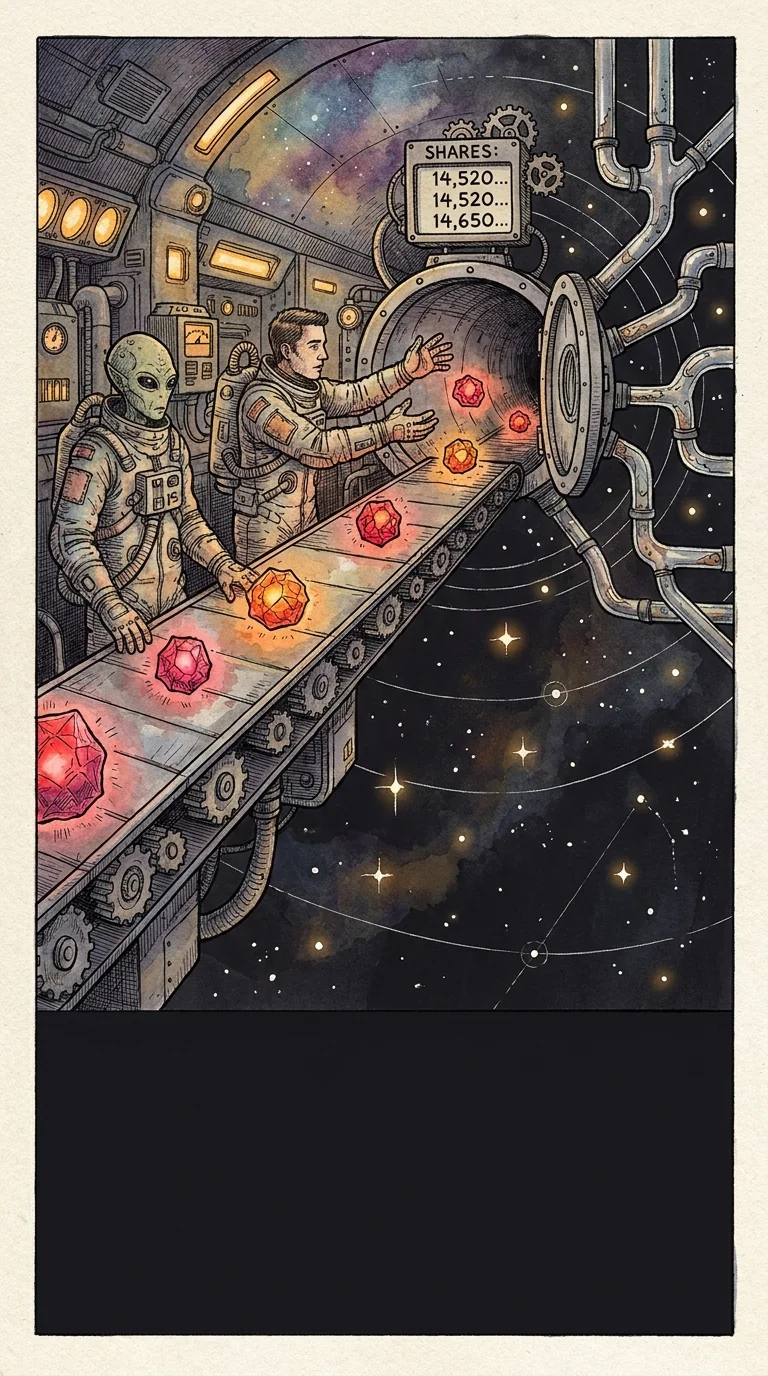
Most scrolling is reactive — you see something infuriating, you share it, and your amygdala has done the algorithm's job for free. The outrage is the product, and you're the unpaid distributor.
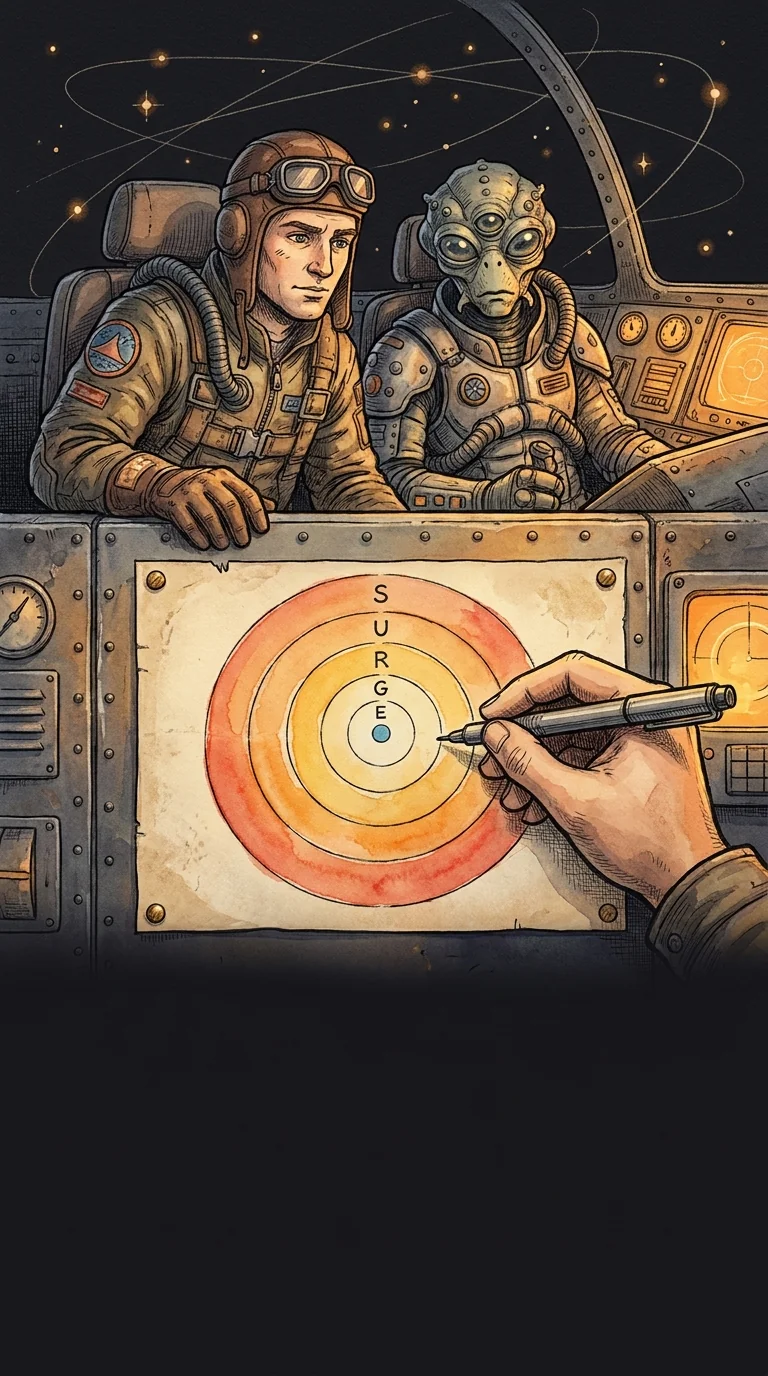
The technique is called the SURGE Check — five seconds between stimulus and share. Stands for: Stop, Understand the emotion, Read past the headline, Google a second source, Evaluate who benefits from your click.
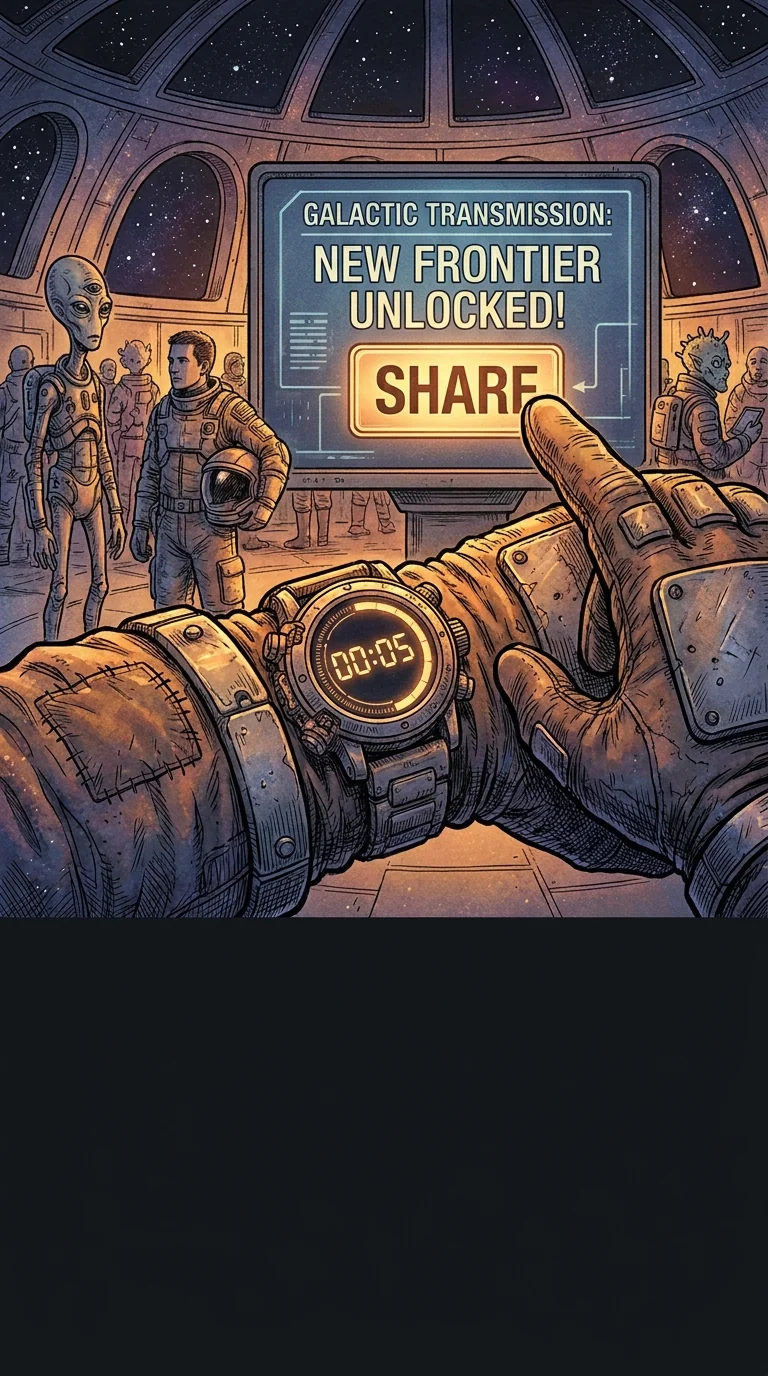
Here's how it works in practice: the next time a post makes you furious or triumphant — especially triumphant — set a five-second timer before you interact with it. In those five seconds, ask yourself who wrote this and what they want you to do next. If the answer is "feel, then share," you've found the wire.

Lisa saw a post claiming her city's school board had banned a beloved book. Her chest got tight, her thumb drifted toward repost. She ran the SURGE Check instead — and found the story was from a satire account, already debunked twelve hours earlier. The outrage was real. The news wasn't.

Five seconds won't make you less passionate. They'll make you more dangerous to the machine — because a signal that gets checked before it gets shared is one the outrage engine can't use. You just became a harder target.